
A robotic arm, a liquid-handling workstation, a plate reader, and several surveillance cameras, each controlled by a separate computer—that was the original shape of an automated laboratory system at Carnegie Mellon University. The liquid-handling workstation ran on a legacy Windows interface, while the plate reader had no programmable API and could only be operated through its graphical user interface. Engineers had to understand each device and write custom integration code before the system could execute a single serial dilution experiment.
I
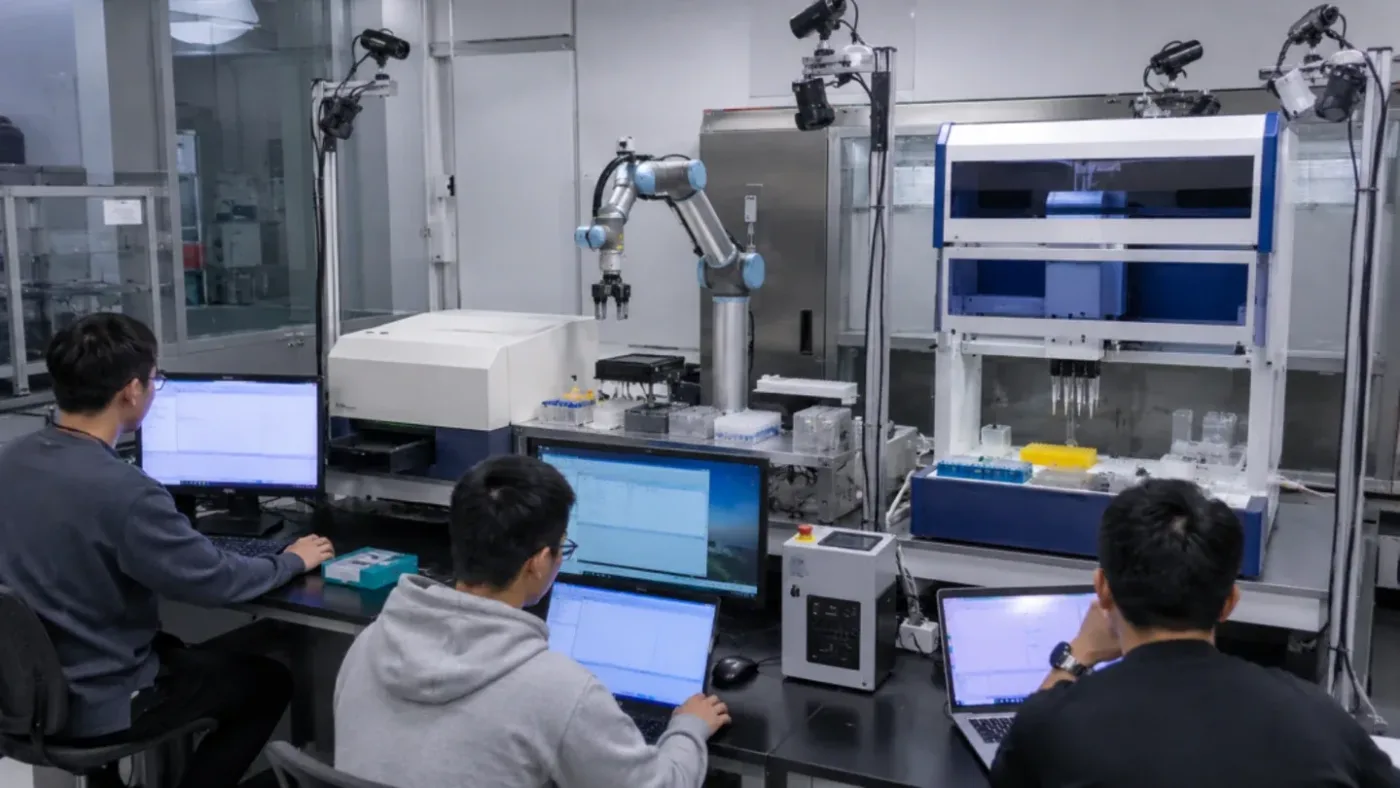
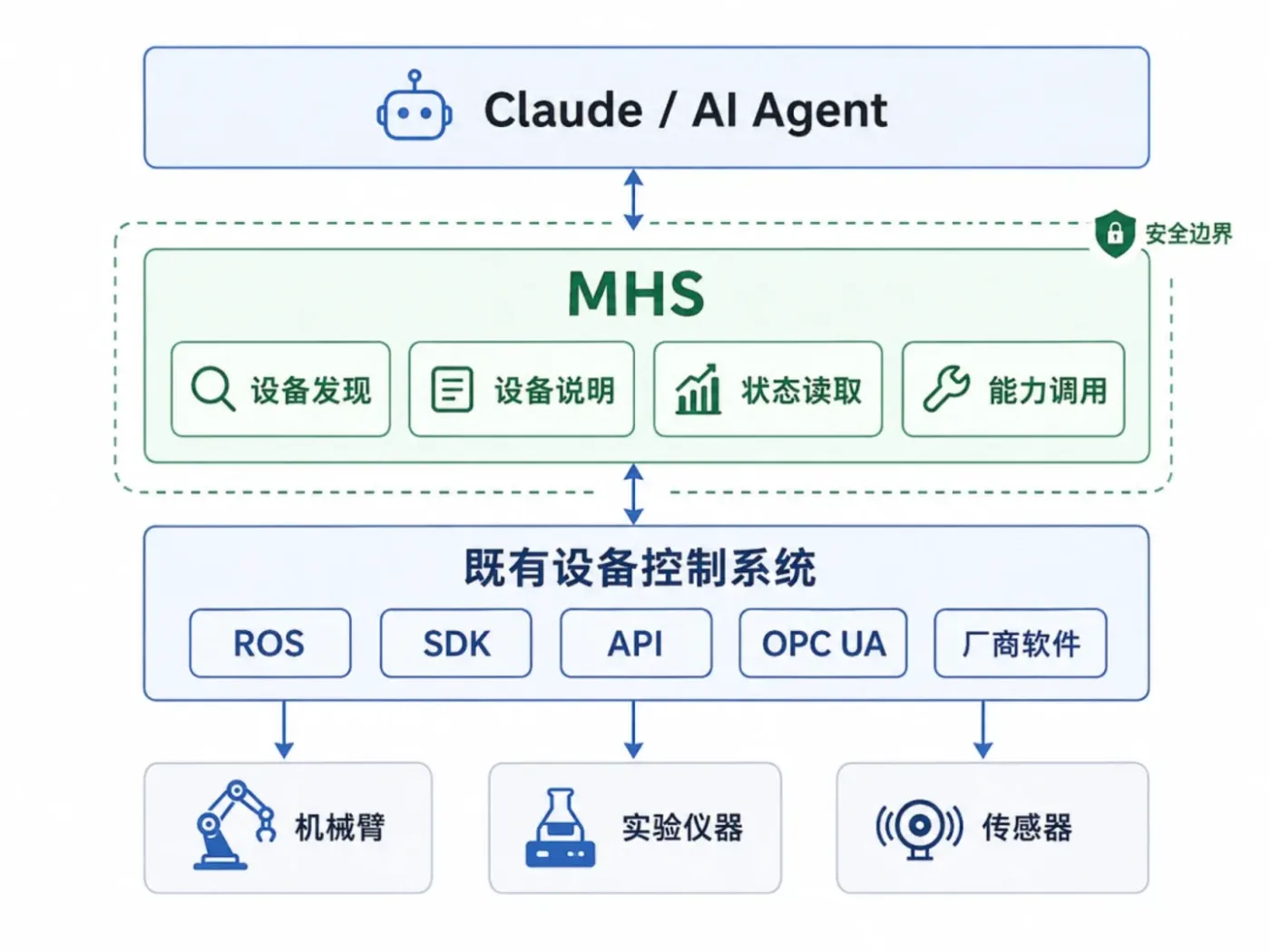
n the test disclosed by Anthropic, these devices were linked through a common hardware interface and orchestrated by Claude Opus 4.8: the liquid-handling workstation prepared samples, cameras verified the well-plate position, and the robotic arm carried the plate into the reader. The model then read the measurement results and decided whether to adjust concentrations and rerun the experiment. From device preparation to obtaining a completed dilution curve with autonomous re-runs, the team's entire process took about eight hours—a task for which vendors typically budget several weeks.
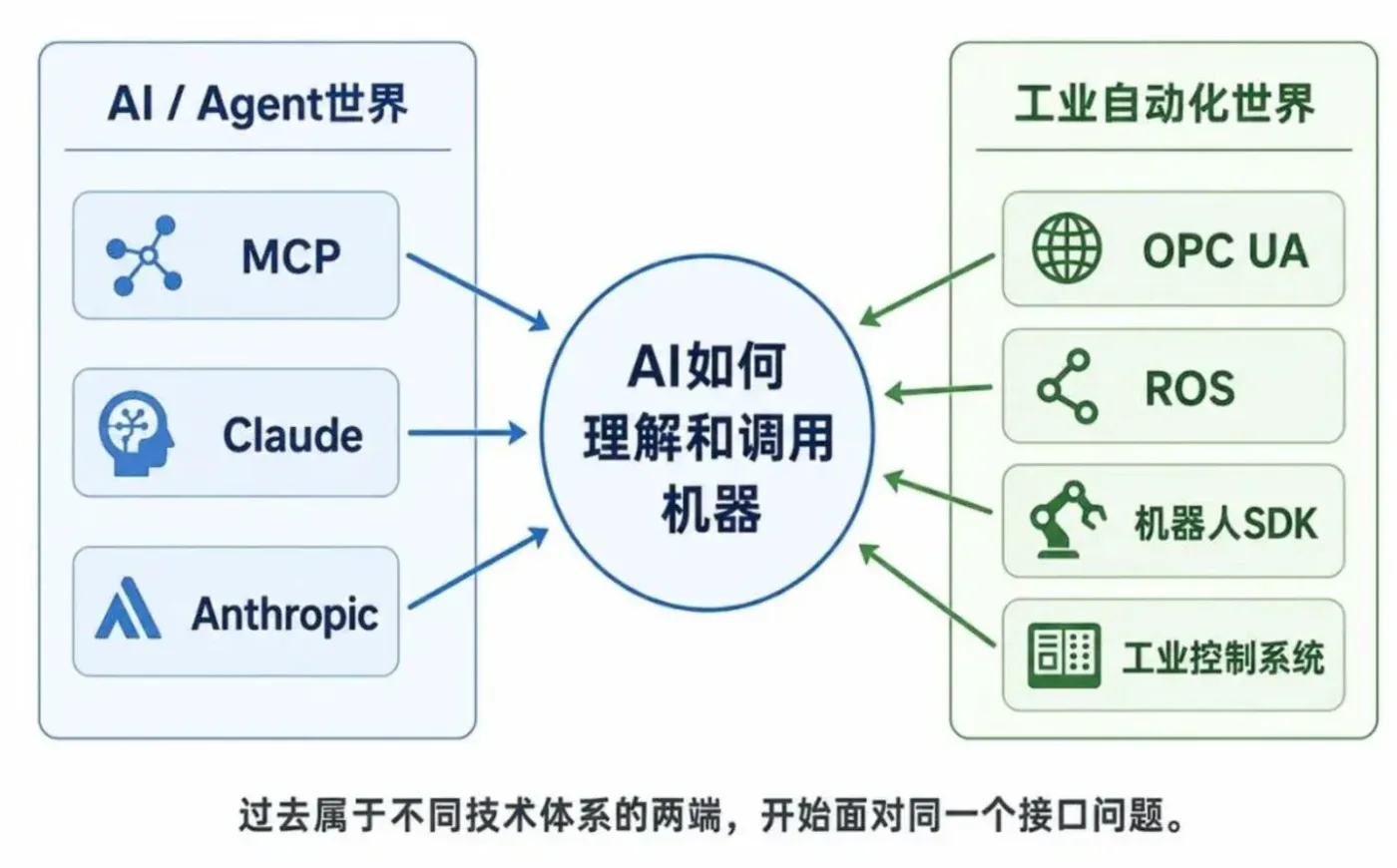
The specification connecting these devices is called the Model Hardware Standard (M