
In early December 2022, a simple chatbot interface changed the pace of the AI industry. ChatGPT welcomed its millionth user just five days after launch, and OpenAI co-founder Sam Altman took to social media to celebrate the milestone. OpenAI itself hadn't even positioned it as a finished product—the earliest version ran on GPT-3.5, the website still labeled it “Research Preview,” and the company had only paid around two hundred testers to try it out beforehand. The users, however, flooded in anyway.
A ban followed almost immediately: on the same day Altman announced the million-user mark, Stack Overflow, the renowned programmer Q&A community, temporarily prohibited answers generated by ChatGPT. The model was producing code that “sounded plausible but was in fact wrong,” and the machine generated errors far faster than humans could correct them. Blocked five days after launch—technological excitement and crisis of trust arrived at precisely the same moment.
Capital moved even faster. On January 23, 2023, Microsoft announced an expanded partnership with OpenAI, committing to a “multiyear, multibillion-dollar” investment, with Azure continuing to serve as OpenAI's cloud infrastructure. By the end of January, ChatGPT's monthly active users had reached 100 million. On February 7, Baidu confirmed that “Ernie Bot” was in preparation with plans to complete internal testing by March—its Hong Kong-listed shares closed up 15.3% that day. Large models had officially become a ticket worth real money.
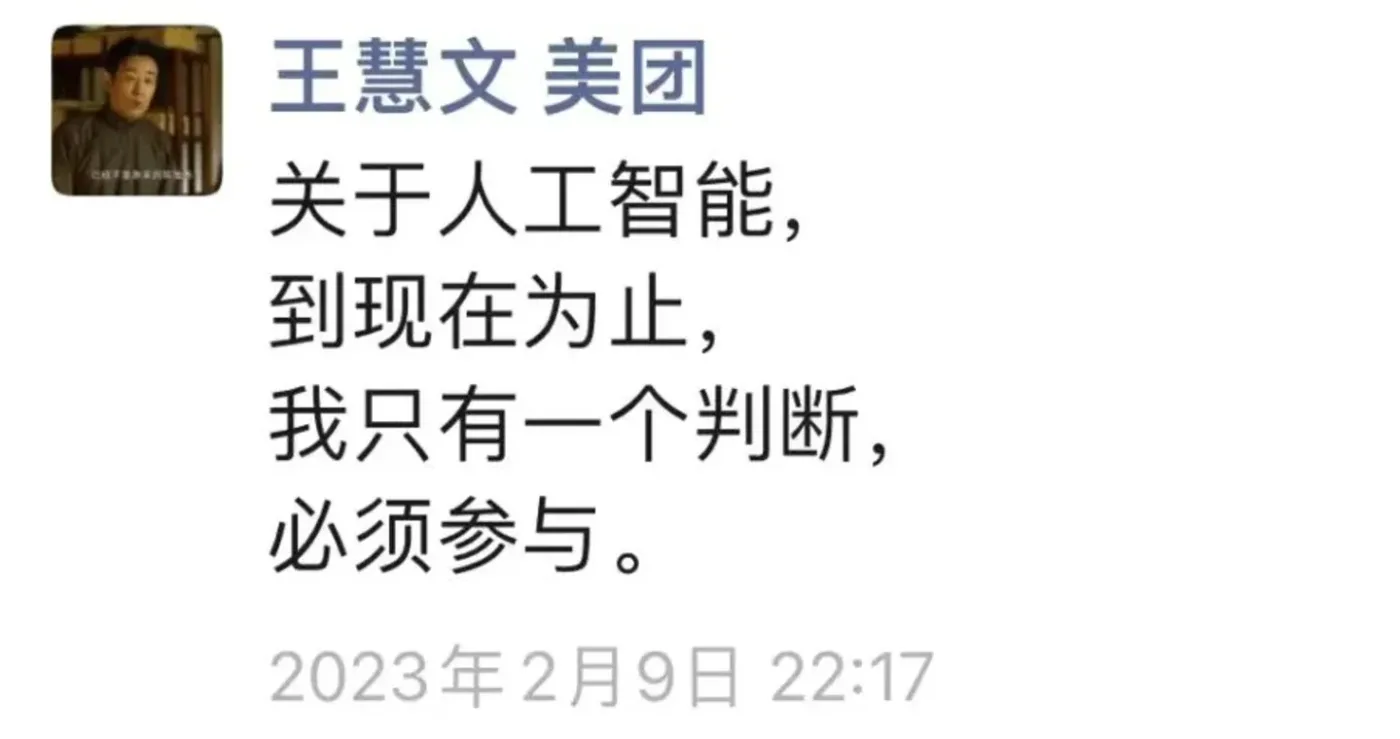
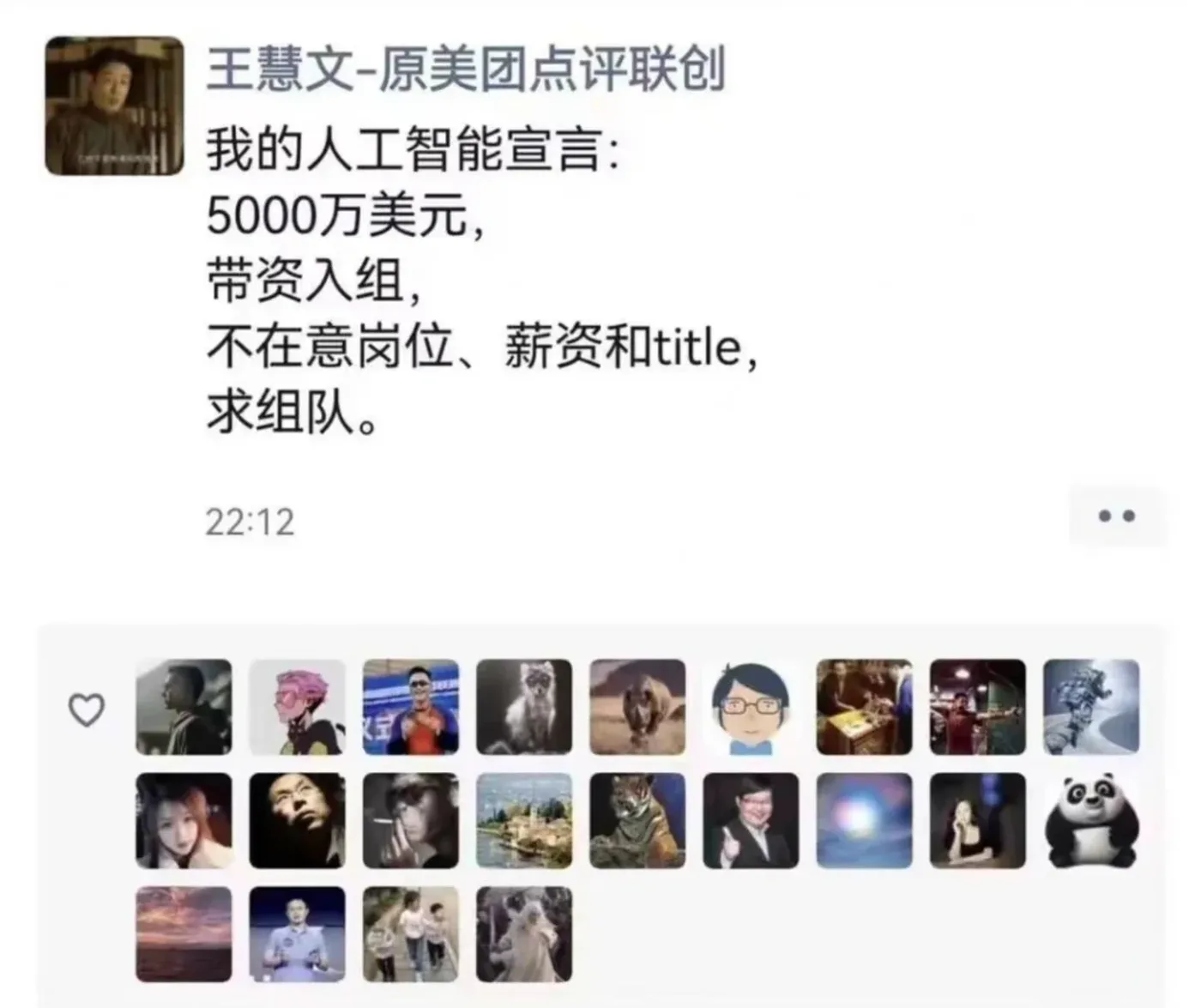
Chinese entrepreneurs were also making their choices during this window. In February 2023, Wang Huiwen, who had recently retired from Meituan, declared on social media for days in a row that he “must participate.” He announced a $50 million personal investment, saying he didn't care about title or salary—the company would initially be valued at $200 million, with his own stake at 25% and 75% reserved for R&D talent. That was the starting point of what became Lightyear. In March, Meituan CEO Wang Xing joined the Series A round as an individual investor and took a board seat.
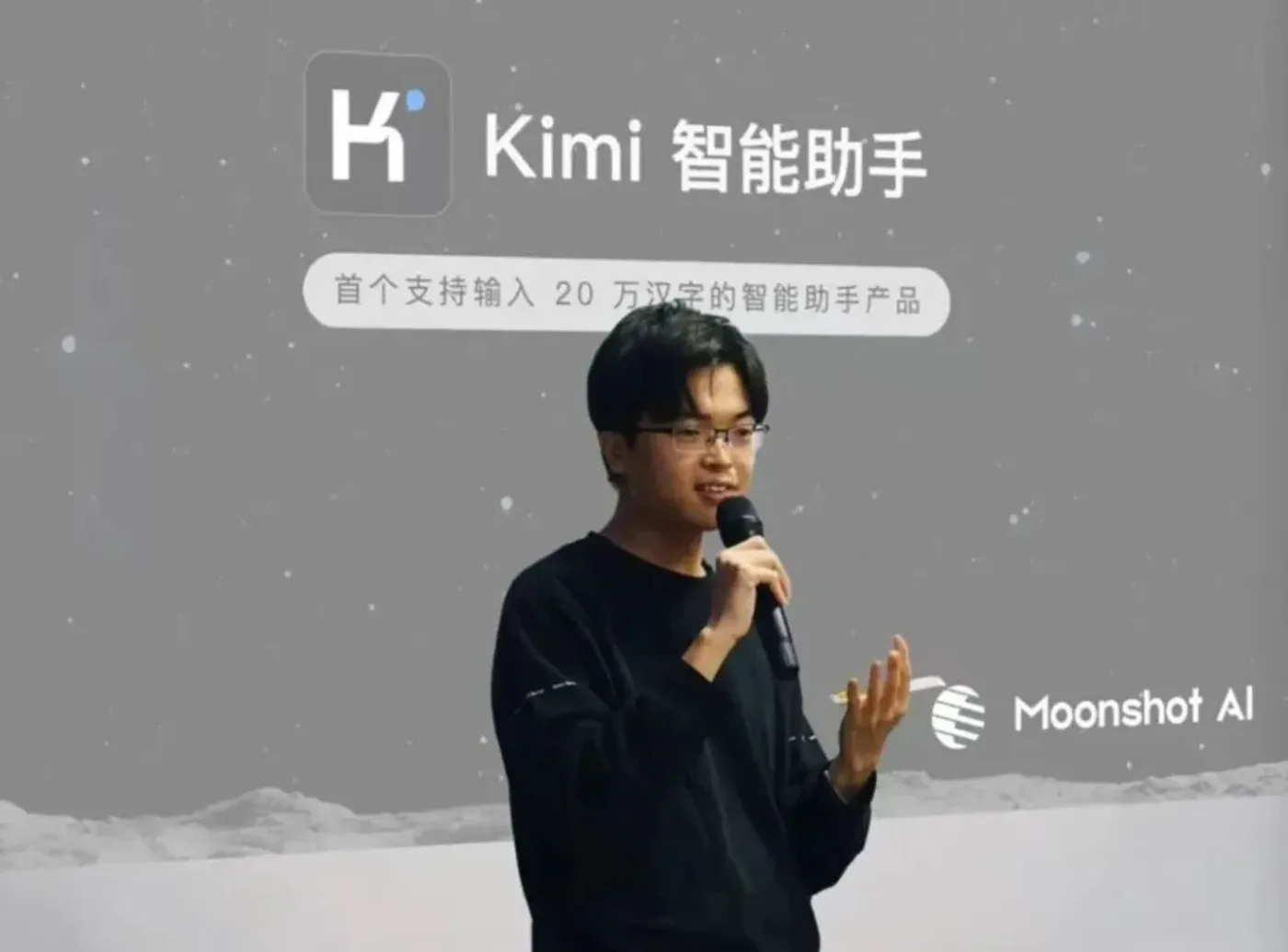
The technical track unfolded in parallel. Yang Zhilin had worked on Transformer-XL and XLNet during his time at Tsinghua and abroad. After running the numbers, he concluded that at least $100 million was needed—and that the money had to be raised in a very short window. In the spring of 2023, he led a team of over a dozen technical researchers back to China to found Moonshot AI. Its valuation climbed from roughly $100 million to $200 million, then pushed toward $300 million. Zhipu AI emerged from Tsinghua's KEG lab, while MiniMax completed two funding rounds within a single year, reaching a valuation of $550 million.
The primary market during that period bordered on frenzy: investors marveled at large-model startups springing up “like bamboo shoots after rain,” while some reviewed nearly twenty projects a day and survived on just four or five hours of sleep. But beneath the mania lay a sobering reality—not every project held real cards. In hindsight, most of the money raised by these teams flowed into the same destination: larger model training runs and more GPU computing power.
This underlying reality has shaped the industry's trajectory ever since. Large models are a high-cost, computing-intensive business, and the ability to raise capital and secure computing power jointly determines who gets to stay at the table. As models themselves become commoditized, the competitive edge shifts from “who has a model” to “who has stable, schedulable computing power and an engineering backbone.” That is precisely why so many platform players today are placing their bets on computing power orchestration—an approach aligned with StarWar Cloud's GPU computing platform direction.