
At a crossroads on the eastern edge of Ulanqab, workers stream out of a data center construction site at Friday lunchtime. The Inner Mongolian city, about 350 kilometers northwest of Beijing with a population under 2 million, is becoming one of the hottest nodes on China’s AI computing power map.
As of the first half of 2026, Ulanqab has signed over 100 data center projects. Its operational computing power has reached 172,000P, up 112% year-on-year. Intelligent computing accounts for more than 95%, and its computing capacity represents 8.7% of the national total. Huawei, Alibaba, Apple, Kuaishou, DeepSeek and other leading firms have all landed there, with total investment exceeding RMB 500 billion.
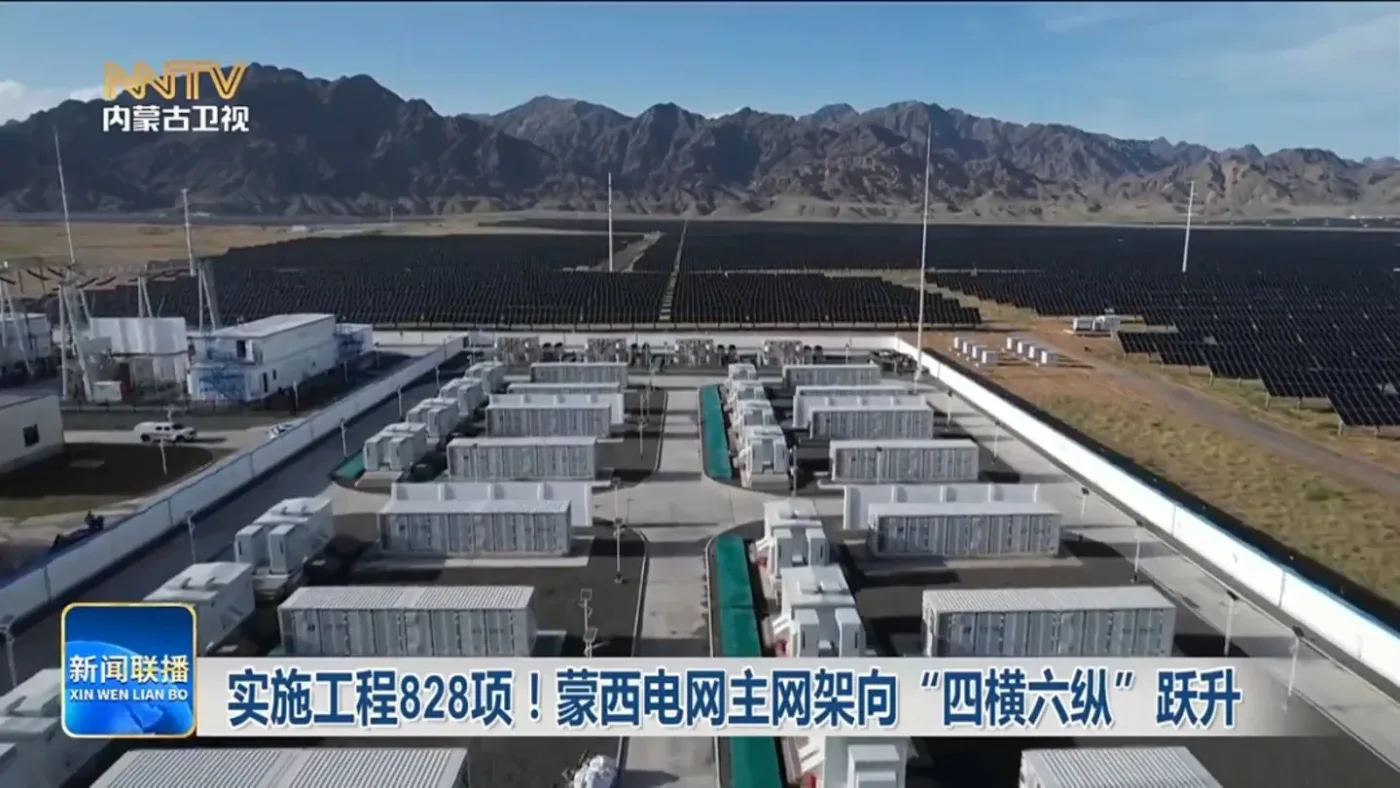
Its advantages are not only its cool climate. Ulanqab sits within the Western Inner Mongolia Power Grid, where long-standing stranded power has produced low electricity prices. The delivered electricity price for data centers is about RMB 0.32–0.35 per kWh, significantly lower than Beijing-Tianjin-Hebei and the Yangtze River Delta. After the green power direct-connection policy took effect, wind and solar stations supply computing bases directly through dedicated lines, paired with energy storage for peak shaving. Green power consumption for new projects has stabilized above 85%.

Prosperity comes at a cost. According to estimates, of the RMB 500 billion total investment, core components such as GPUs, HBM and optical modules account for 40–50%. Only 10–15% truly remains in Ulanqab. A very large data center typically needs only 200–500 employees once officially operational. Much of the profit earned by computing centers is ultimately transferred to southern China.
Resource endowment determines starting speed, not the finish line. Ulanqab has proposed