
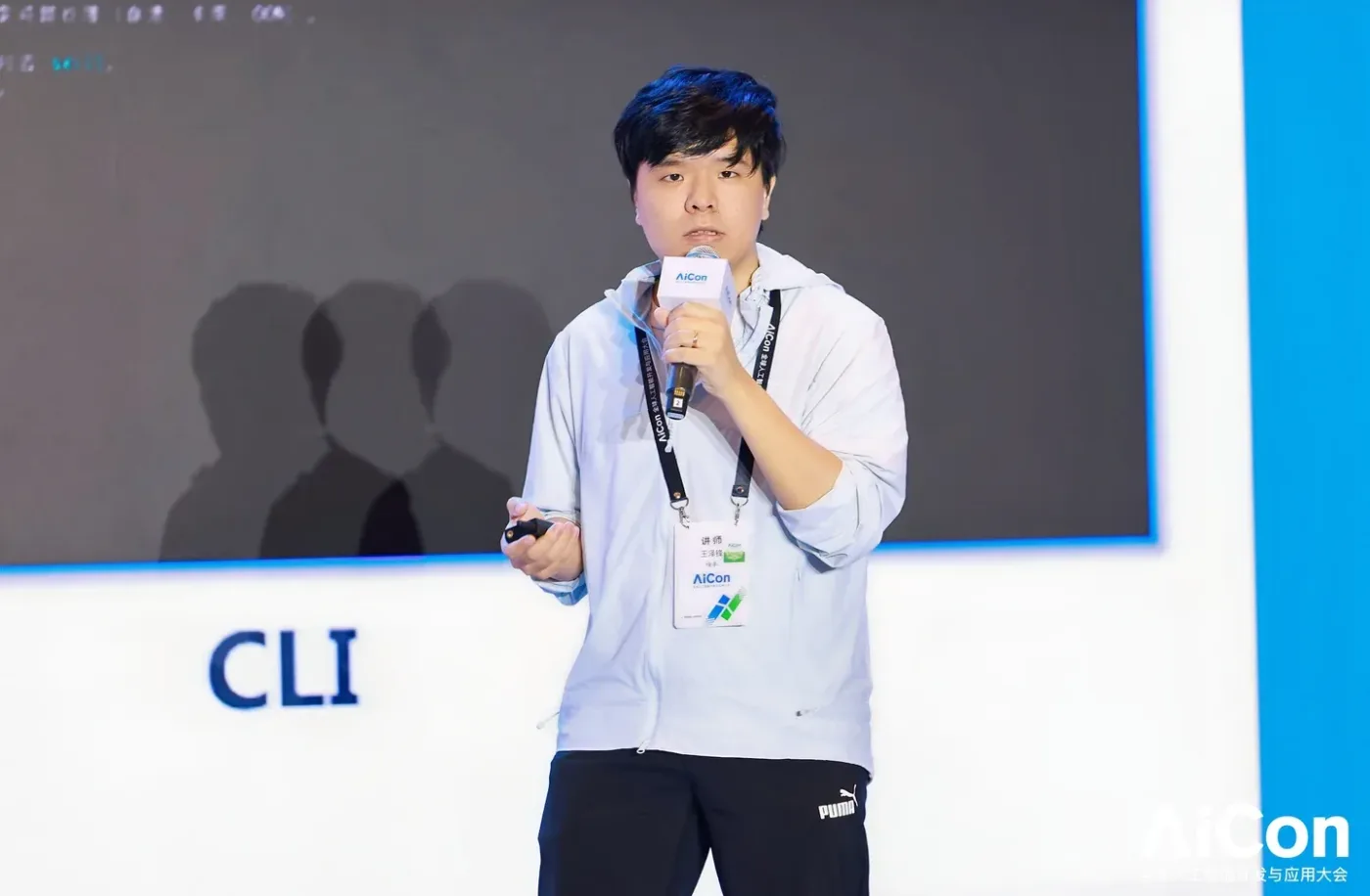
At the AICon Global Artificial Intelligence Development and Application Conference in Shanghai, Wang Zefeng, a technical stability expert for Kuaishou's main app, shared the engineering practice behind “Conan AI.” The core of the talk was not about letting an Agent simply replace humans in troubleshooting, but about redesigning the human-machine division of labor in stability R&D.
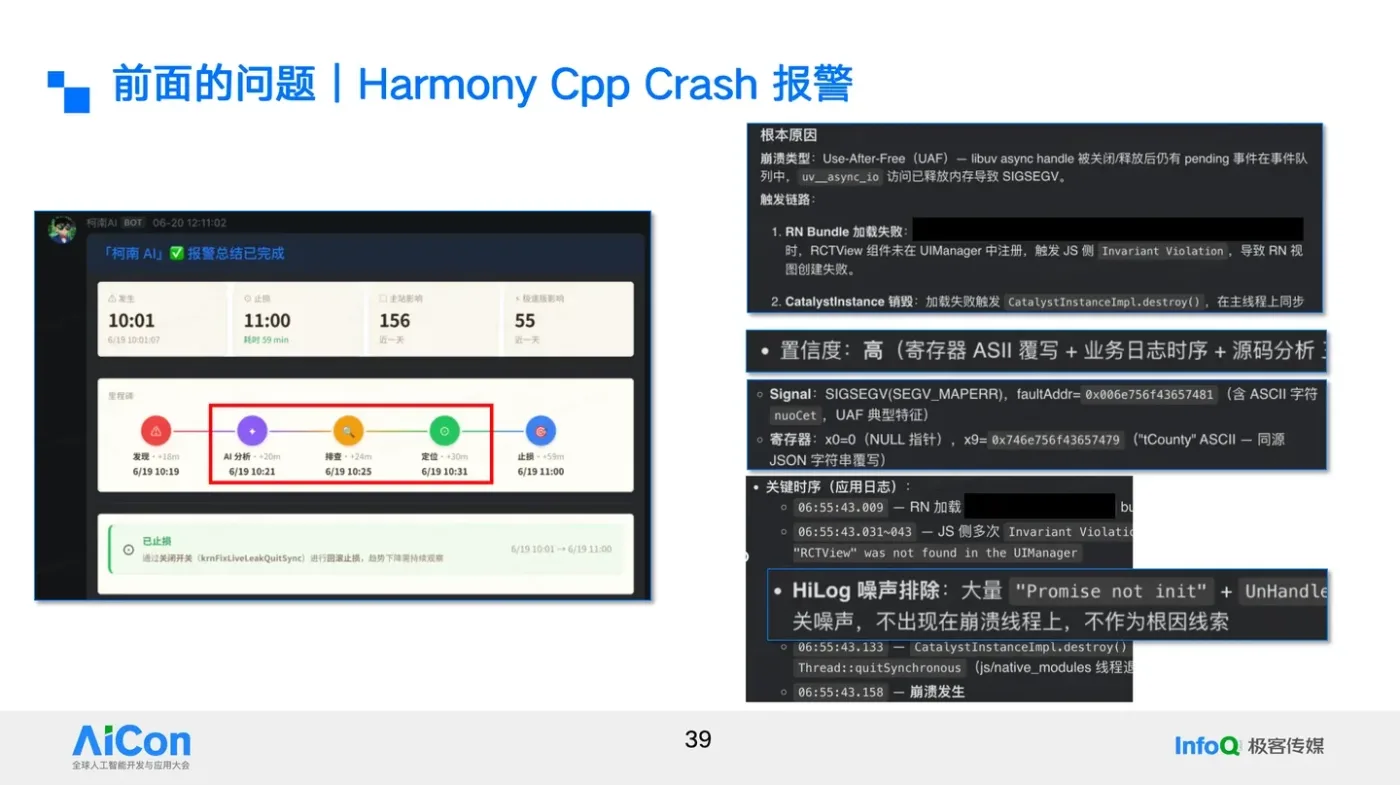
AI Coding is significantly improving code production efficiency, but online alerts, root-cause localization, damage control, and remediation are not accelerating at the same pace. When code production and stability handling remain unequal in speed for a long time, the volume, severity, and response latency of online issues may all deteriorate across the board.
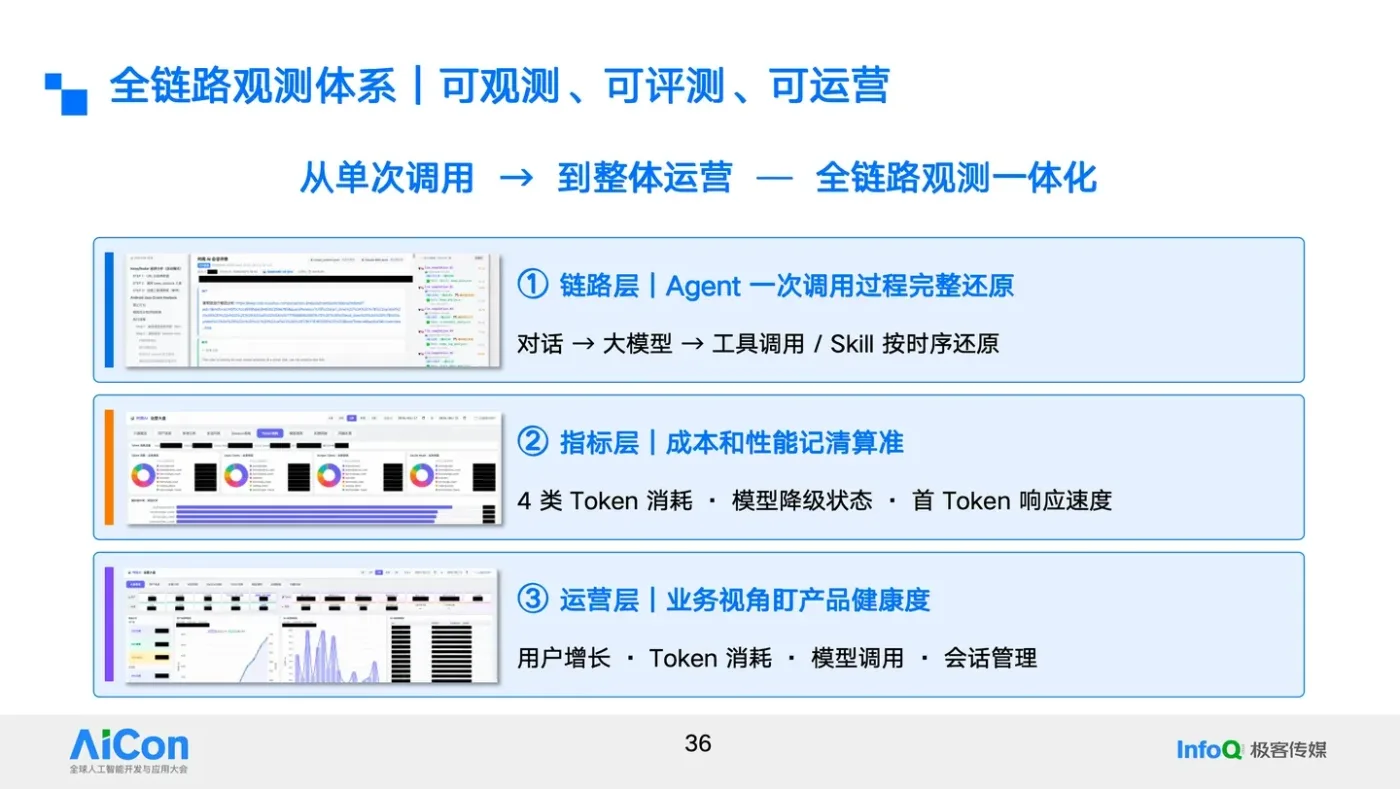
Kuaishou's approach is to “use AI to beat AI”: deterministic processes are handed to code, while probabilistic reasoning is handed to models. Expert experience is accumulated through Skills, effective context is provided by source-code services and client-side infrastructure, and bad cases drive continuous system evolution. At present, Conan AI's user penetration in Kuaishou's large front-end R&D has reached nearly 60%, and the complete adoption rate of root-cause analysis results is stable at around 50%.
What is more troublesome is that AI may create new stability problems. Lacking global context, it often follows the “path of least resistance” to make symptoms disappear. Kuaishou has encountered this: a configuration written into consumerProguardFiles looked completely normal inside the SDK, but it was passed along with the AAR to the main project, ultimately disabling R8 global optimization in the main project and increasing the APK size by 6 MB. The symptom disappearing does not mean the problem is truly solved.
This aligns with StarWar Technology's direction on the OPC agent collaboration platform: let agents take on verifiable, long-chain work while constraining them with context, boundaries