
At the Siemens CNC (Nanjing) base, beside an SMT production line, a Galbot humanoid robot is moving printed circuit boards one by one from racks onto the line. This line moves a total weight of up to 180,000 kilograms per month.
PCB handling is one of the most physically demanding and repetitive tasks on the line. Traditional custom automated guided vehicles (AGVs) could also do the job. The reason for choosing a humanoid robot is that it can move directly into the existing workshop without modifying the original line equipment to accommodate the robot.
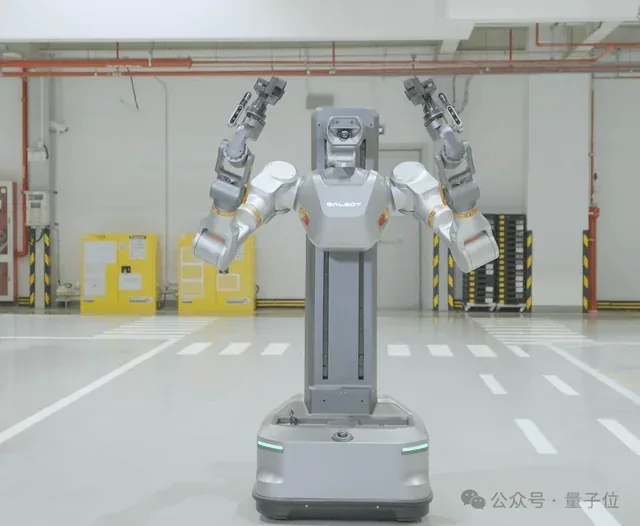
This points to a new way of thinking: the workshop should not have to adapt to the robot first; the robot should adapt to the workshop first. For embodied AI vendors still searching for industrial use cases, laboratories can validate capabilities, but only real workstations can validate value.
But making one workstation work is only the first challenge. After a robot enters a factory, R&D trial and error, hardware manufacturing, integration with existing production systems, and the shift from one validation to scaled deployment—each link spans robotics, software, controls, and process engineering.
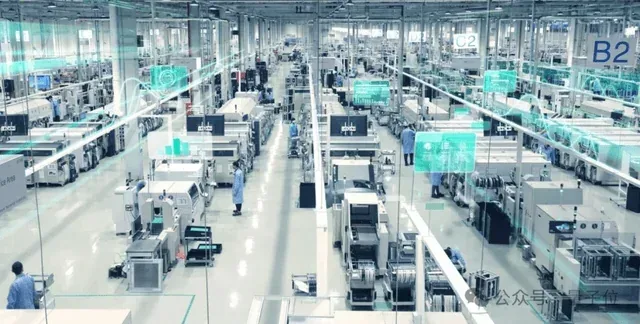
In real factories, robots, robotic arms, and controllers may come from different suppliers, with inconsistent interfaces and data formats. High-mix, low-volume production requires frequent process adjustments, making it increasingly difficult for a single vendor to provide a complete answer.
Siemens Xcelerator attempts to recombine these capabilities through an open ecosystem, letting customers connect vision, execution, and system integration solutions around their needs. This approach—organizing multi-party point capabilities into deployable solutions—aligns with StarWar Cloud's direction in computing power scheduling and agent collaboration platforms: enabling heterogeneous resources to collaborate around the same task.
Once a solution works, commercialization has only just begun. Moving to a second customer, the equipment, processes, and personnel may all be different. How to reuse the experience from the first delivery becomes a common problem for embodied AI companies.
Moving a motherboard is a concrete action, but around it unfolds a long-term connection among technology, partners, and factories. The deployment of industrial intelligence often hides in these unremarkable engineering details.