
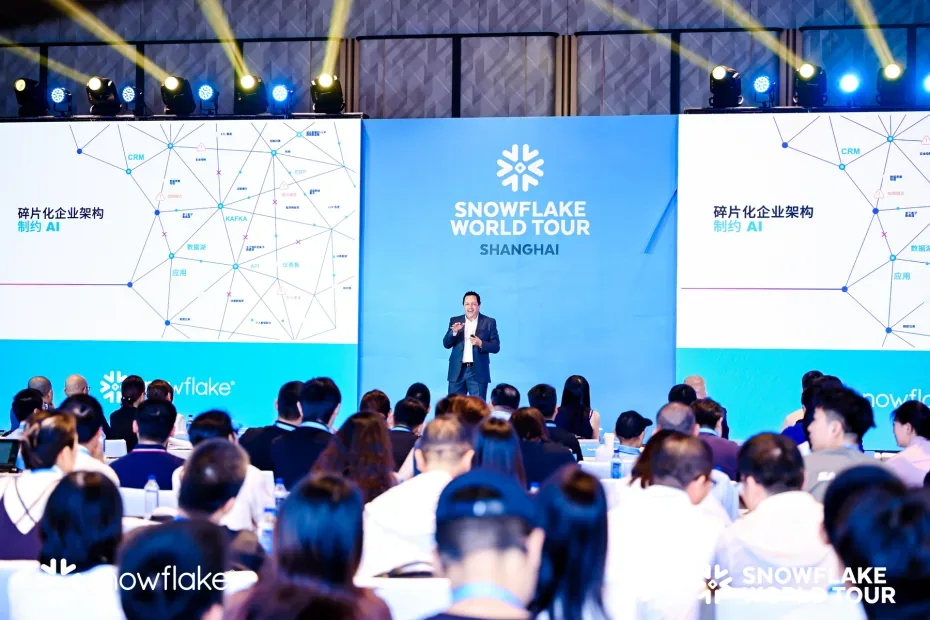
On September 8, the Shanghai stop of Snowflake World Tour 2026 was held under the theme “Making AI Real for Business.” TGO Kunpeng Club brought 16 members from its Shanghai, Suzhou, and Beijing chapters to the event. Afterward, they were asked two questions: What judgments did this conference add, change, or confirm? Back at their companies, which technology or business decision would change as a result?
Over the past two years, when enterprises discussed AI, they often started with model capabilities and demo performance. At this event, the questions became noticeably more specific: Can data be correctly understood by AI? How do agents enter business processes? Are existing systems, knowledge, and organizational structures ready? Snowflake repeatedly emphasized data foundations, semantic layers, and production-grade applications. The focus has shifted from “what AI can do” to “how AI truly enters the enterprise.”
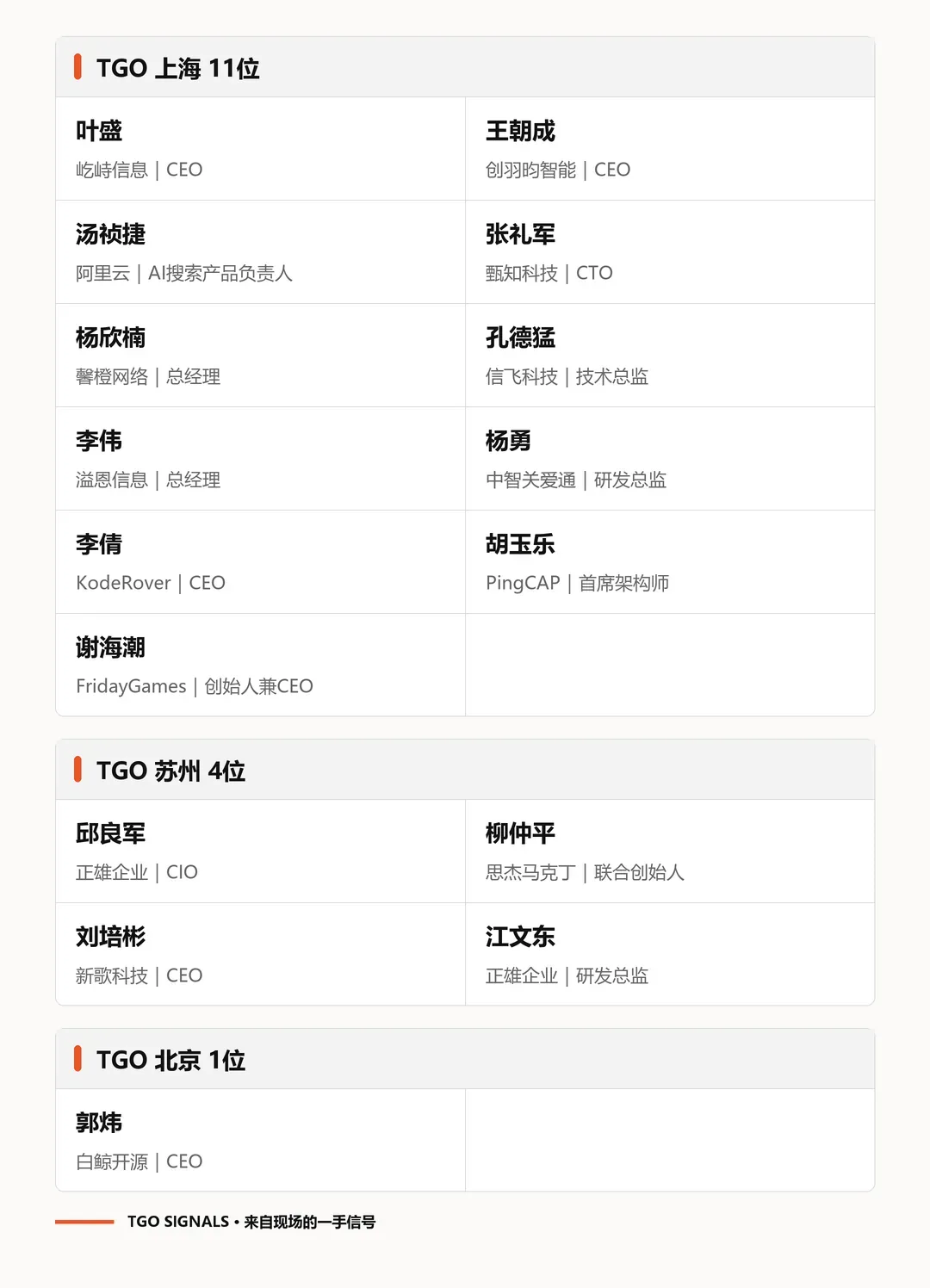
Attendee feedback pointed to a clear chain: first let AI understand the business, then let AI enter systems, and finally use real results to test value. Many attendees focused on semantic layers and business ontology for a simple reason: enterprises have abundant data, but fields, processes, and industry rules can only be understood accurately by AI when they are placed back into business context.
Behind this is a more realistic issue: general-purpose large language models provide capability, but an enterprise’s own business context determines whether that capability can truly land. For technology leaders, selection is no longer just about comparing parameters; they must answer a harder set of questions: Can AI grasp the enterprise’s business context? Can it work with existing systems? Can it produce continuously measurable results?
This is exactly the problem that the StarWar Enterprise AI Brain direction aims to solve. Its approach is not to force a model into the enterprise, but to first let AI understand the enterprise’s data, processes, and knowledge, and then enter systems to participate in analysis and task execution—making the deployment path shorter and results verifiable. Semantic layers, business ontology, and industry knowledge thus move from conference keywords to part of the infrastructure.
A further judgment emerged on site: AI is moving from an add-on tool to an underlying system. Database-native AI, Data Agents, and AI-enabled data development are beginning to enter technology leaders’ architecture and investment decisions. At the resource level, the discussion naturally turns into action words: re-organize