
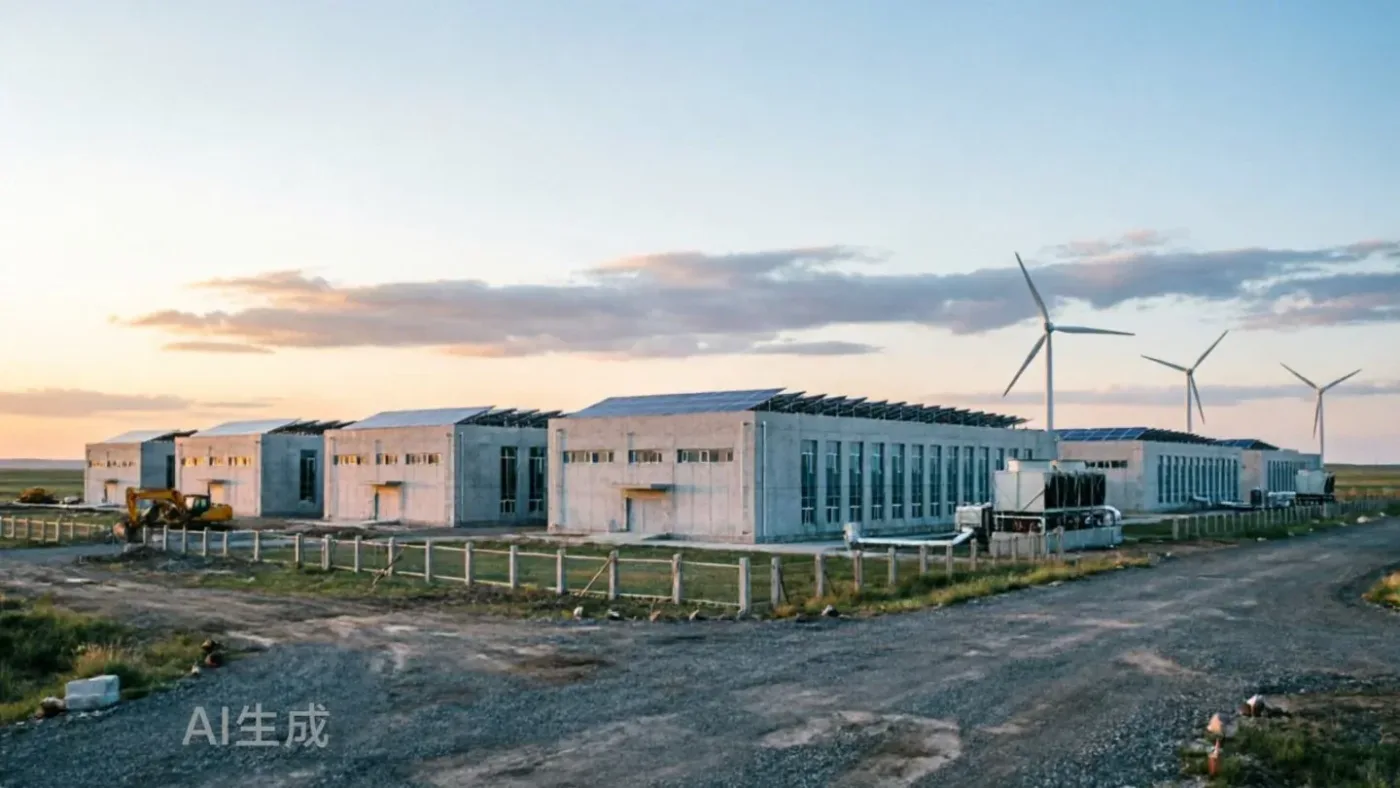
Ulanqab in Inner Mongolia is becoming a vantage point for observing the migration of China’s AI computing power map. Huawei, Apple, Alibaba, ByteDance, Kuaishou, and DeepSeek have all established a presence there. As of the end of June 2026, Ulanqab had signed 89 data center projects with total agreed investment exceeding RMB 500 billion; its operational and planned capacity stands at about 12.5 GW, a potential expansion of more than 10 times compared with its operational scale in 2025.
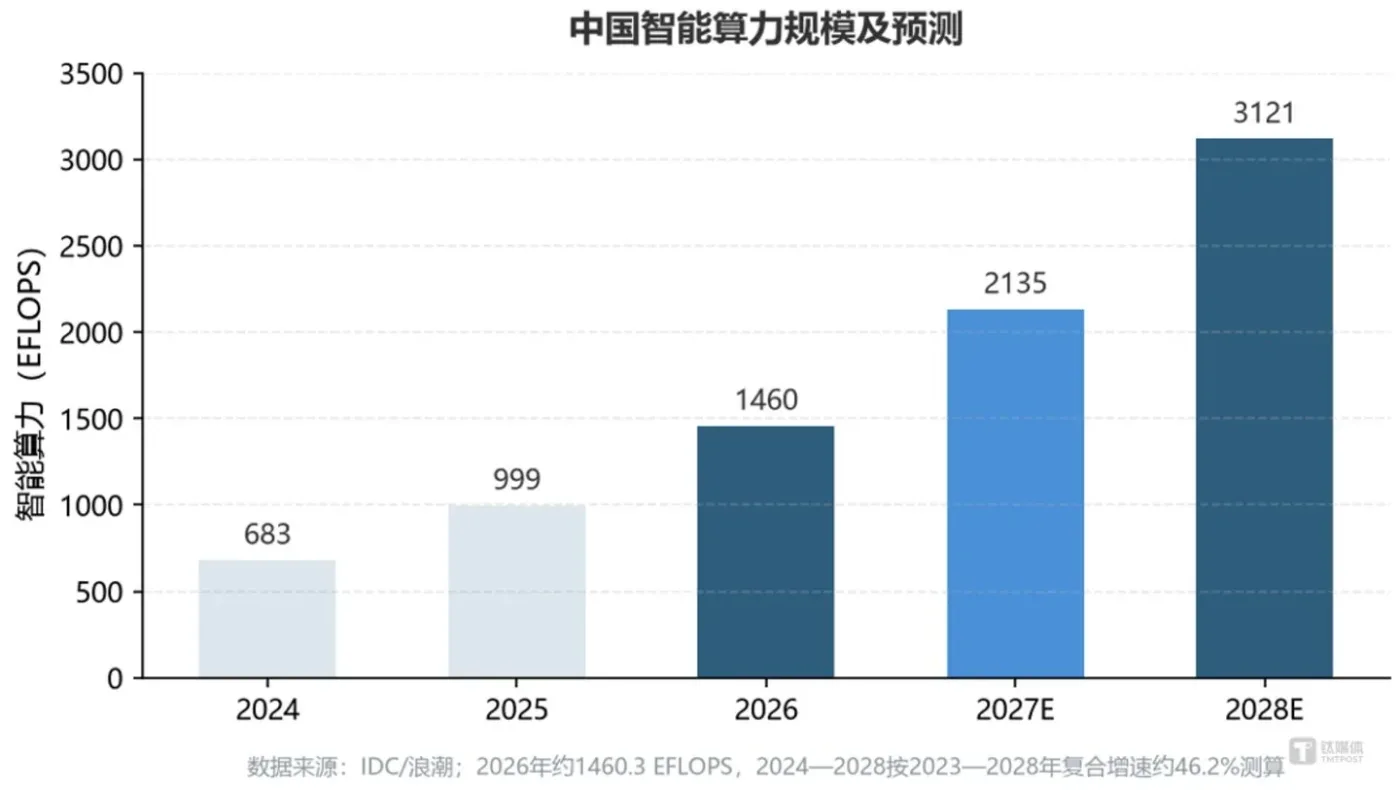
This is not an isolated case. Five of the eight national computing power hubs under the “East Data, West Computing” initiative are located in western China. According to CAICT data, by the end of 2025, the intelligent computing power built across the eight hubs accounted for 87.3% of the national total. MIIT data shows that by the end of June 2026, China’s national intelligent computing power reached 2,185 EFLOPS, up 177% year on year. As computing power and electricity move west together, a counterintuitive judgment is becoming consensus: the decisive factor in China’s AI race may not be chips, but electricity.
The shift in site-selection logic is supported by hard constraints. Modern AI racks consume 100 to 140 kW, while traditional server racks use only about 10 kW. Electricity prices in central and western China are roughly one-third to one-half of those in the east, cold air and land are abundant, and electricity costs account for as much as 70% to 80% of operating costs in some projects. The National Energy Administration estimates that during the 15th Five-Year Plan period, computing power electricity demand will increase by more than 100 billion kWh annually, reaching 800 billion kWh by 2030.
The deeper change is that workloads are being split, not relocated as a whole. AI training, batch inference, and scientific computing are not latency-sensitive and can move west; millisecond-level services such as payments, ride-hailing, and real-time recommendations remain in the east. This approach of splitting the computing stack by latency and cost is closer to a long-term mechanism than a round of subsidies, and it makes PUE, green power share, and national integrated computing power monitoring and scheduling hard constraints.
This is precisely the direction StarWar Cloud is focused on in GPU computing platforms and computing power scheduling: when computing power is distributed across different regions, electricity prices, and network conditions, the platform’s value lies in organizing scattered, heterogeneous resources into a unified resource pool, so that training, inference, and business tasks can be allocated to the right locations based on cost and timeliness—rather than leaving enterprises to piece them together themselves.
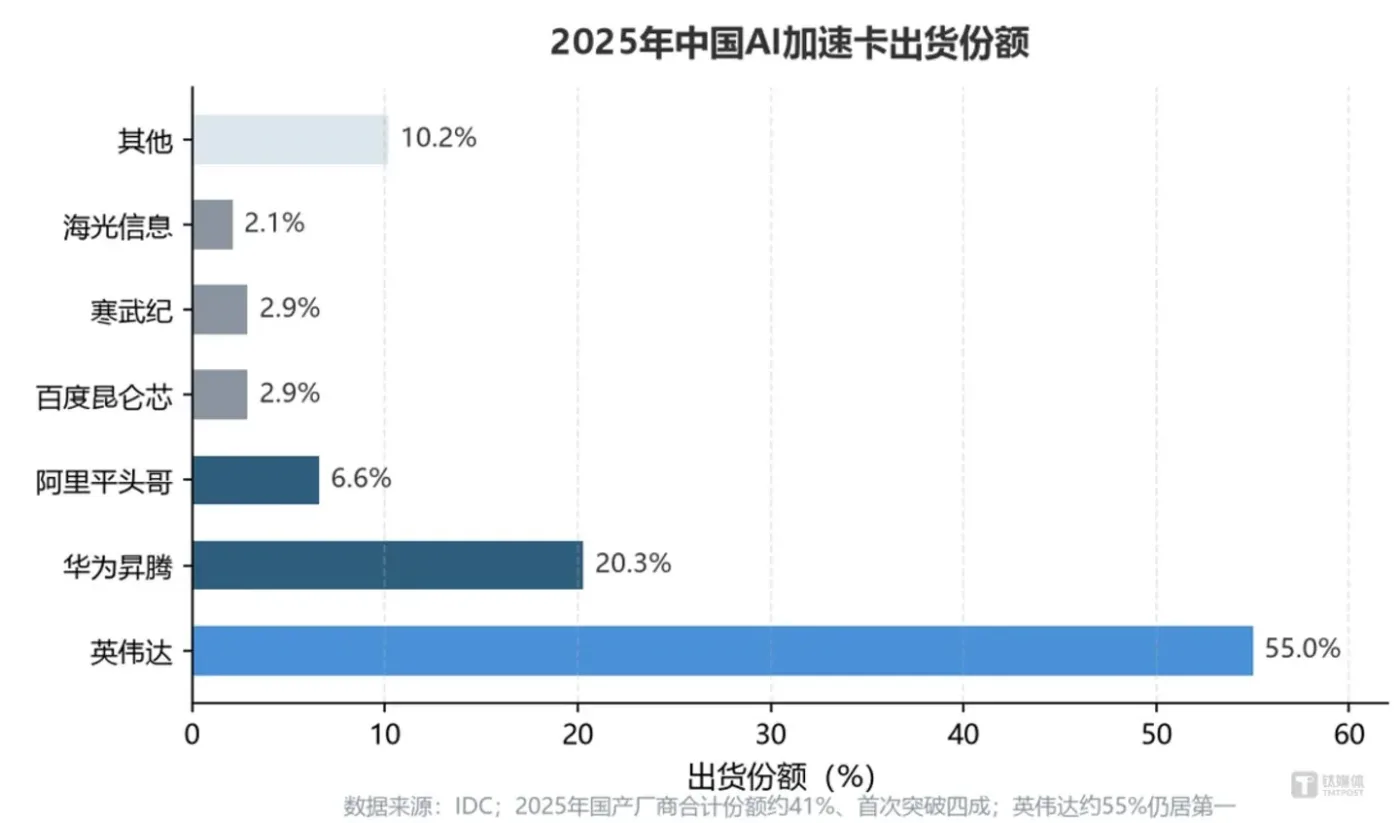
The migration is also reshaping the industry chain. Liquid cooling has become a necessity, and 2026 is being called the “first year of liquid cooling scale-up.” Under export controls, the share of domestic chips is rising; in 2025, the domestic share of China’s AI