
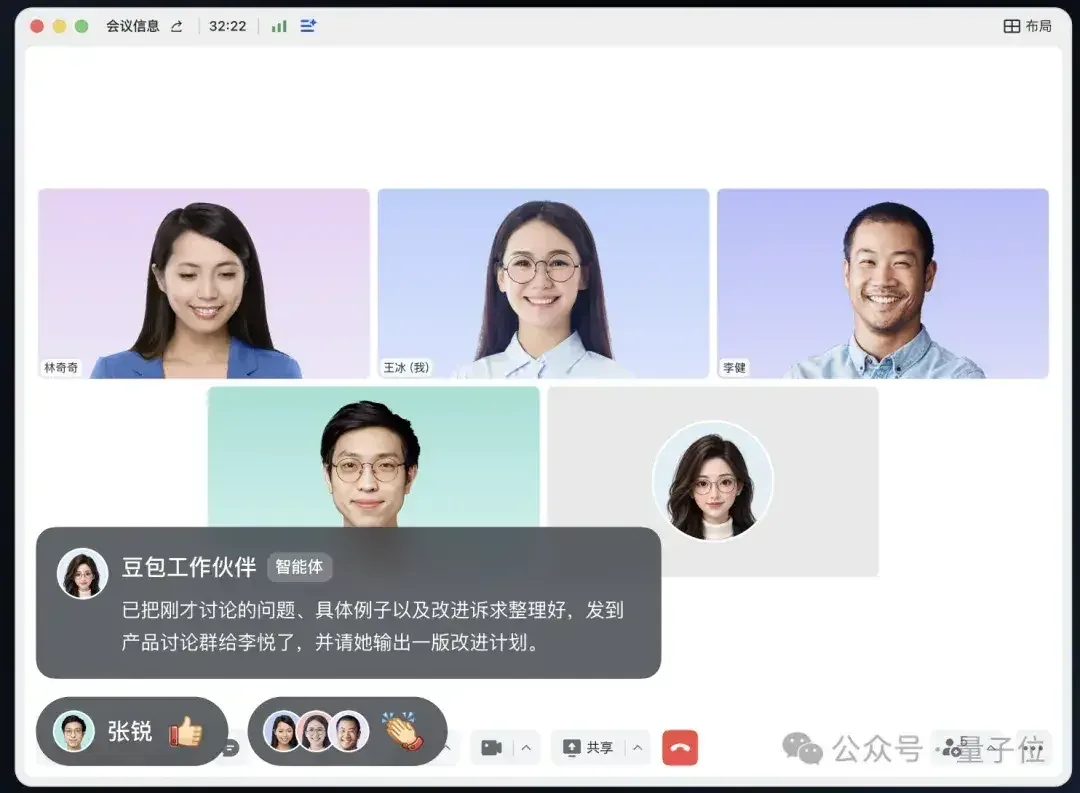
At the 2026 Feishu Future Unlimited Conference, Feishu unveiled version 8.0 and Doubao Work Companion. The former is positioned as a collaboration platform shared by people and Agents, while the latter has an independent organizational identity and can be pulled into group chats, attend meetings, and read documents.
ByteDance CEO Liang Rubo offered a clear judgment: Agents do not exist in isolation. They need to collaborate with people, the work environment, and other Agents. Collaboration platforms carry enterprise context and tools, making them a critical foundation for Agents to deliver value. To that end, ByteDance has integrated Doubao, Feishu, and Volcano Engine.
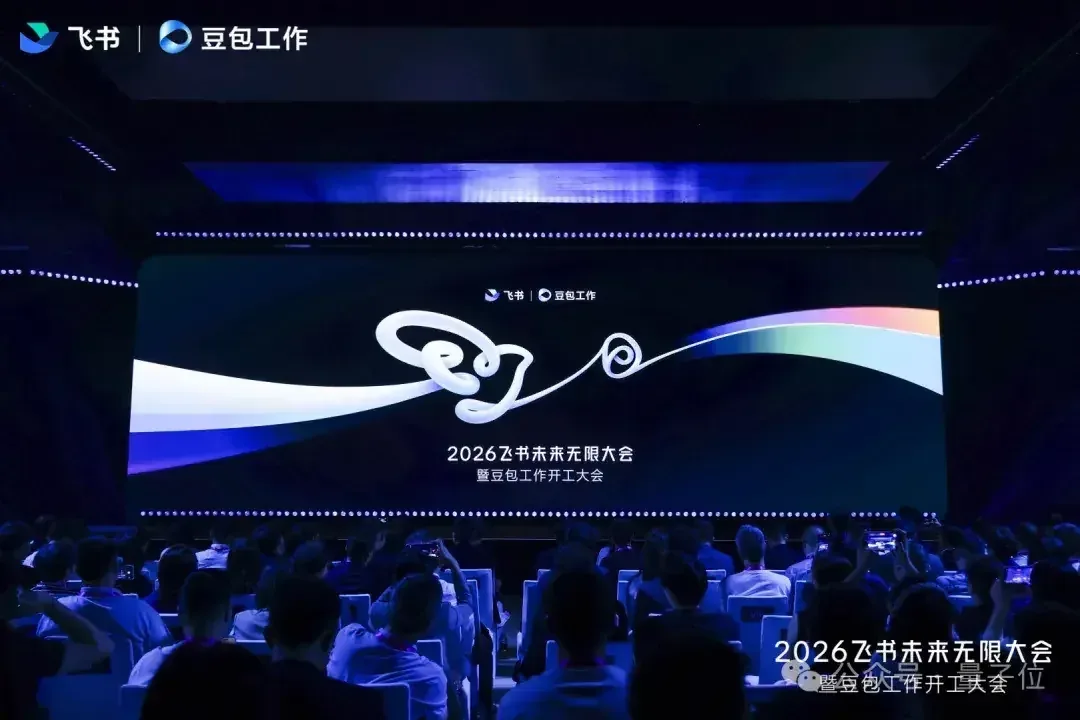
The core of Feishu 8.0 is a systematic Agent-ready transformation: Agents can be added to groups like colleagues, @mentioned to get work done, and can @mention each other to complete tasks collaboratively—no human relay required.
As messaging, documents, Base (multi-dimensional tables), calendars, and approvals open up to Agents, enterprise context is activated more fully. Feishu disclosed that more than 90% of new customers in the first half of 2026 also purchased AI products.
Access is only the first step. An Agent entering an organization is like a new employee onboarding: without identity, permissions, and collaboration rules, it will inevitably run into walls. Feishu therefore provides full lifecycle governance for Agents—information employees cannot see is also inaccessible to Agents.
When multiple Agents, models, and tools need to collaborate within an organization, how to divide work around a shared goal, share context, and remain controllable becomes a new infrastructure problem. StarWar Technology’s direction with the OPC agent collaboration platform is precisely to enable models, tools, and Agents to collaborate on the same task.
Security is another key variable in this round of competition. The essential difference between enterprise-grade Agents and personal AI tools is that permissions, data boundaries, and usage must all be manageable and controllable; only then can organizational trust be established.
Every evolution of collaborative work tears down walls to information flow. The addition of Agents liberates people from being nodes in information processing, allowing them to focus on decisions and judgment.