
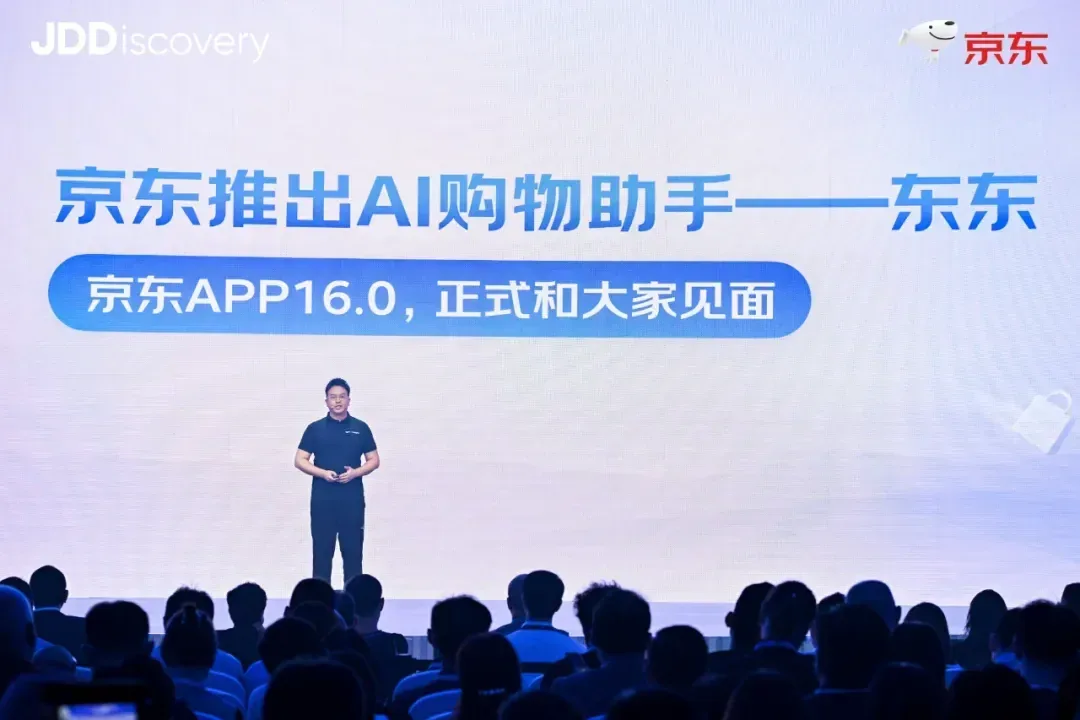
On September 9, the 2026 JD Global Technology Explorer Conference, themed "JoyAI: Leap into the Physical World," took place in Yizhuang, Beijing. Compared with previous years' concentrated discussion of model parameters and Agents, this year's signal is that AI is moving from "what it can do" to "how it can truly enter the real world and business systems." As computing power, large language models, and AI chips continue to advance, the AI industry trend is shifting from raw capability to organizational adoption and infrastructure.
When enterprises discuss AI-driven efficiency, one of the most commonly used metrics is AI Coding rate. Front-end, back-end, testing, and algorithm teams are all beginning to use AI, and models can generate more and more code. But JD Retail's product and R&D team found in internal practice that growth in code output did not bring a simultaneous improvement in R&D efficiency. Instead, it increased pressure on code review, testing, and evaluation.
They split the R&D chain into "upstream engineering" and "downstream engineering": requirement communication, solution design, task decomposition, system evaluation, and cross-department coordination before code is produced belong to upstream engineering; review, testing, release, and operations after code is produced belong to downstream engineering. AI Coding currently addresses more of the middle coding step, while the real trouble often lies upstream.
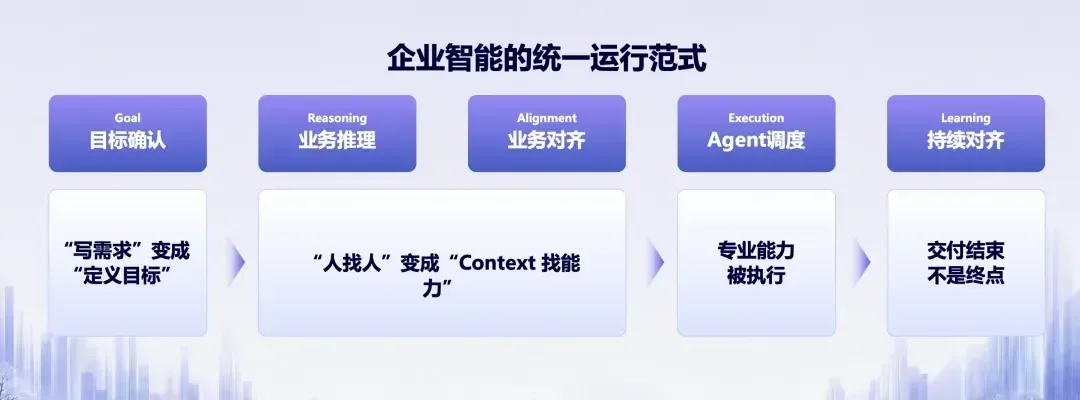
Retail operations face the same issue. A single decision may simultaneously involve products, pricing, inventory, traffic, advertising, content, supply chain, cost, and profit, and each link has its own professional judgment and goals. AI can help each person work faster, but it does not necessarily help those people collaborate more smoothly. McKinsey's 2026 survey confirms this gap: 80% of respondents say AI has