
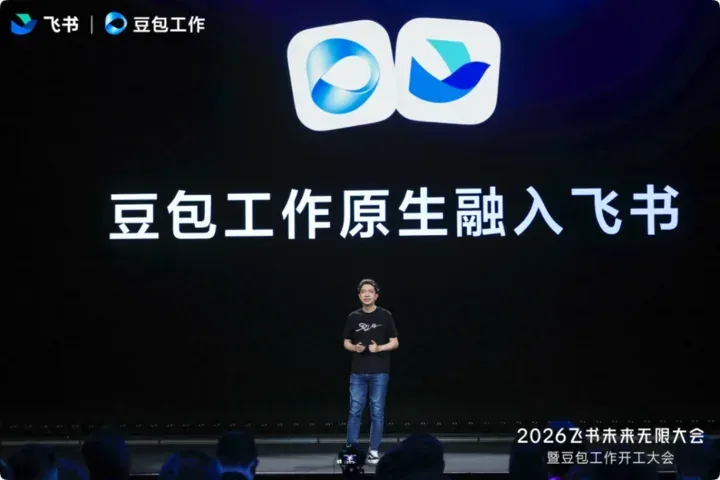
Large language model (LLM)-powered office agents are moving from personal tools to organizational members. Recently, Feishu and Doubao Work released the team-oriented Doubao Work Partner. Like a human colleague, it has an independent organizational identity, can be added to group chats, receive tasks from different members, and use documents, meetings, and tools within its authorization scope to improve entire-team efficiency. According to the announcement, it is China's first Claude Tag-like product and remains in an early enterprise co-creation stage.
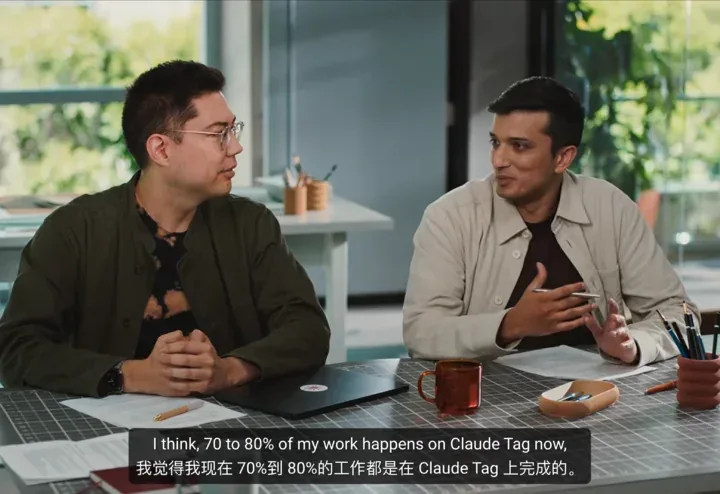
This approach differs from earlier office agents. Past office agents mostly addressed "How can I work faster on my own?" while Claude Tag and Doubao Work Partner address "How can we get things done together?" The Claude Code engineering team once estimated in a sharing session that 70% to 80% of work is conducted through Tag.
For an agent to truly enter a team, reading documents and making spreadsheets is not enough. It must know what the project discussed before, who is responsible for what, which materials it can view, which actions it can take, and whom to hand results to after completion. Doubao Work's execution capabilities, combined with Feishu's long-accumulated organizational context across group chats, documents, and meetings, form the foundation for this type of product. Team agents can also be added to different project groups and connect scattered discussions within their respective authorization scopes.
The more critical difference lies in permissions and trust. Personal agents mostly borrow the user's own permissions, whereas team agents need their own permissions: which group chats, documents, and tools they can access must be independently configurable and auditable. Only when permissions and boundaries are clear enough can agents truly enter daily enterprise workflows. This is also the real dividing line between the enterprise market and consumer products.
This aligns with StarWar Technology's direction on the OPC Agent Collaboration Platform: enabling multiple models, tools, and agents to collaborate around the same goal while turning constraints, validation, and acceptance into manageable, reusable processes. For agents to handle long-chain tasks, the prerequisite is not only more powerful models, but also observable, rollback-capable, and reviewable collaboration mechanisms, plus a permission system that organizations can trust.
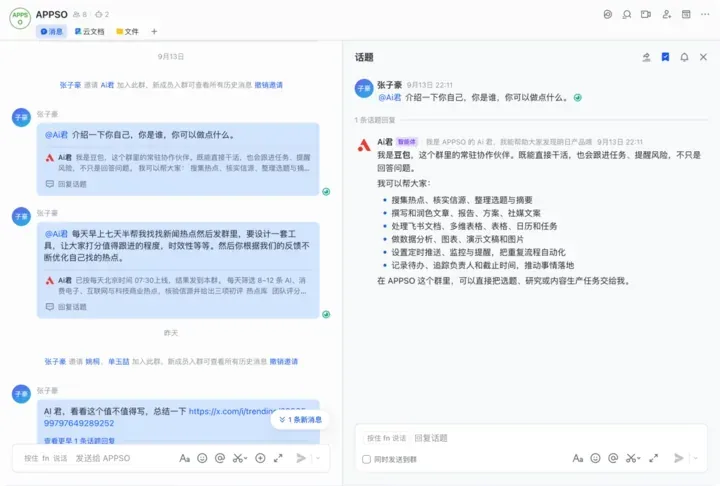
From a user-experience perspective, the value of team agents is often reflected in work that is hardly technical: who promised to deliver something next week, what was finally decided in a meeting, where a task is stuck. It can track to-dos, remind owners, and drive execution, consolidating waiting, relaying, and synchronization that were once scattered across the organization into one place.
When people and a group of agents collaborate within the same system, the unit of competition in office AI will shift from "who has a stronger assistant" to "who can enable people and agents to get things done together." Once this step is crossed, an organization truly gains an additional source of continuous productivity.