
OpenAI's team knew a Python service could not sustain future scale, yet it still built Habitat, its core online storage system, in Python and deliberately accepted the technical debt. The bet was that by the time repayment became necessary, Codex and GPT would be powerful enough to handle it.
A year later, that bet paid off. In the second quarter of 2026, only two engineers participated in the core rewrite. Using Codex and GPT-5.5, they completed the entire migration of Habitat from Python to Rust within one quarter.
The data is equally direct: the new Rust service already handles 95% of production requests, and OpenAI plans to fully decommission the Python version in the coming weeks. The Rust version achieves roughly 6x the CPU efficiency and about 15x the memory efficiency of the Python version, while average latency and tail latency both dropped significantly.
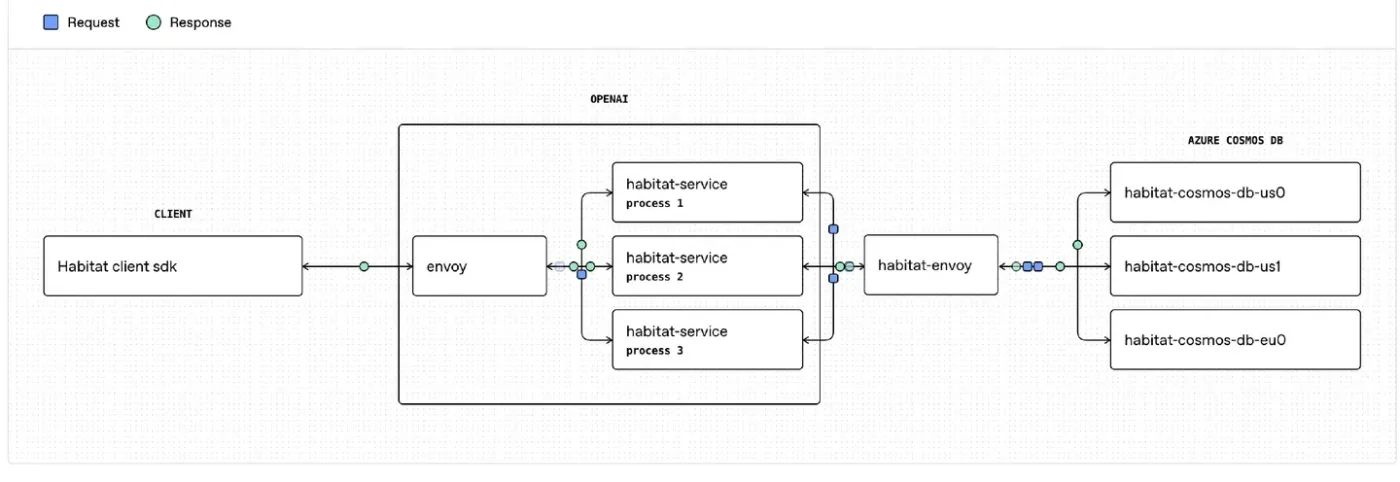
In the past, whether to repay technical debt depended heavily on engineer experience, making cost assessment difficult and execution cycles long. Now that generative coding has lowered the cost of rewriting itself, this ledger is becoming calculable for the first time—making a staged strategy of "borrow first, repay later" look increasingly rational.
But a rewrite is never just a syntax swap. Core storage carries massive volumes of online requests, and any error in an edge case can escalate into an incident. The faster AI generates code, the heavier the engineering burden of validation, regression testing, and rollback can become.
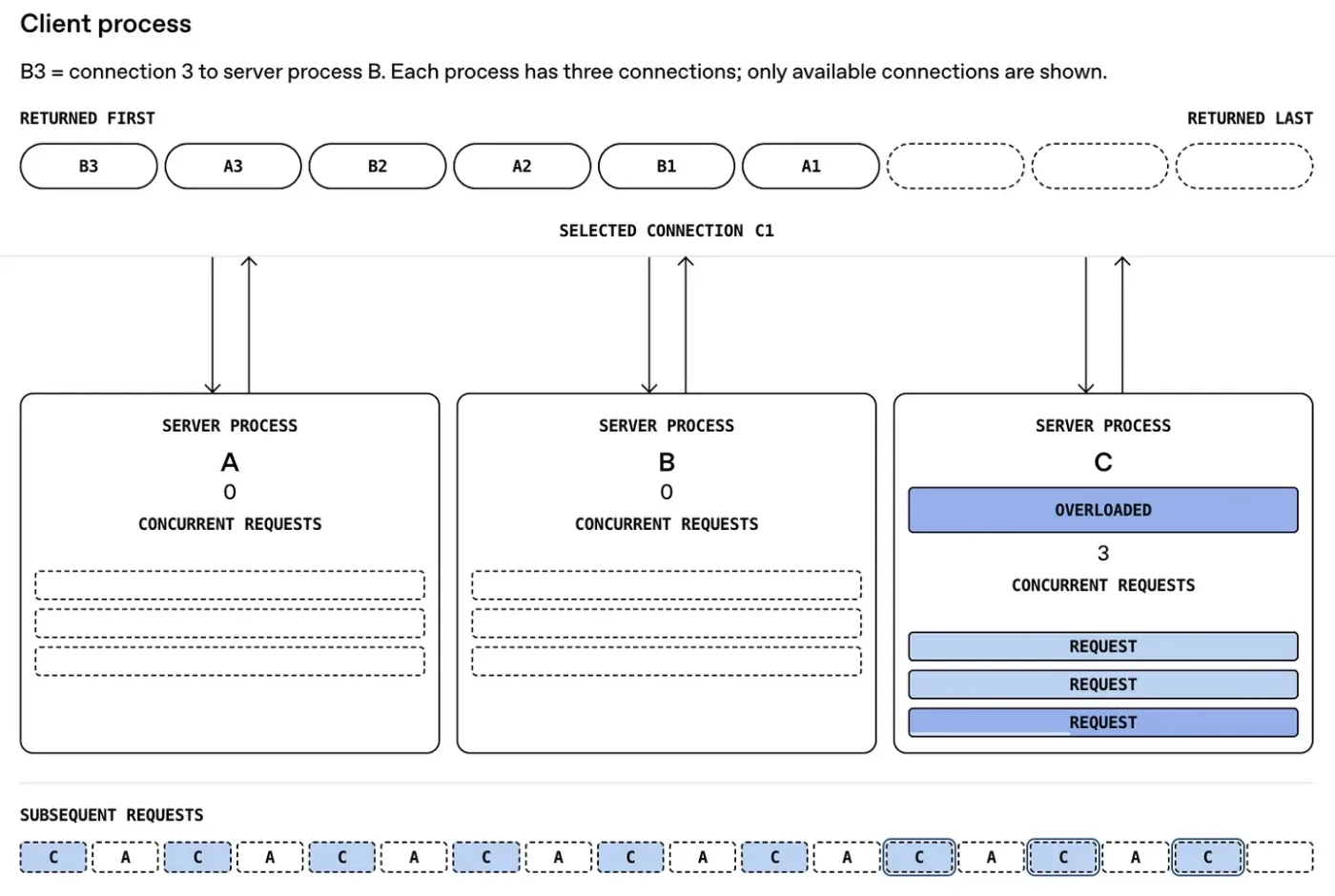
This also shows that model capability is only the starting point. What truly determines efficiency is whether models can be plugged into a unified engineering pipeline: how tasks are decomposed, how tools are invoked, how results are verified, and how compute is scheduled on demand. StarWar Technology's work on GPU compute platforms and the OPC agent collaboration platform is built around this pipeline, enabling models, tools, and resources to collaborate toward the same goal.
As rewriting costs fall, enterprises will reassess legacy burdens more frequently. The lifecycle of old systems will be redefined, and the pace of architecture decisions will accelerate.
For technical teams, the more practical question than whether AI can write code is whether they can establish a process that makes AI output trustworthy and reusable. Whoever codifies that process first will move closer to turning technical debt into a repayable item.