
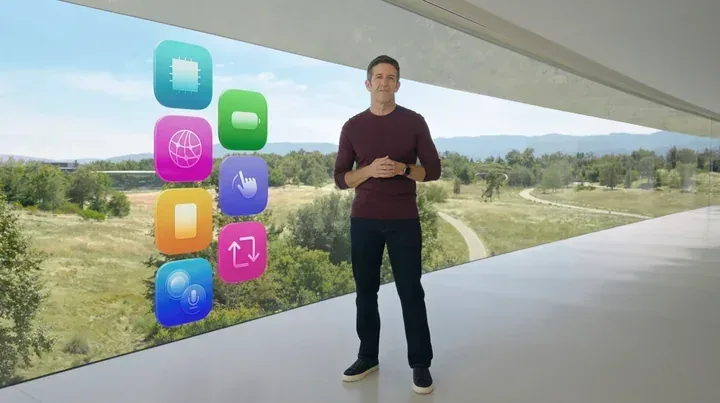
September has turned the smartphone market into the year's most fiercely contested battlefield, with AI phones taking center stage. At Apple's just-concluded launch event, new CEO Ternus positioned the iPhone as an "intelligent personal hub," aiming for the device to understand schedules, relationships, and daily habits while coordinating with other devices, apps, and services. At the same time, the consumer edition of Doubao Mobile Assistant was officially released.
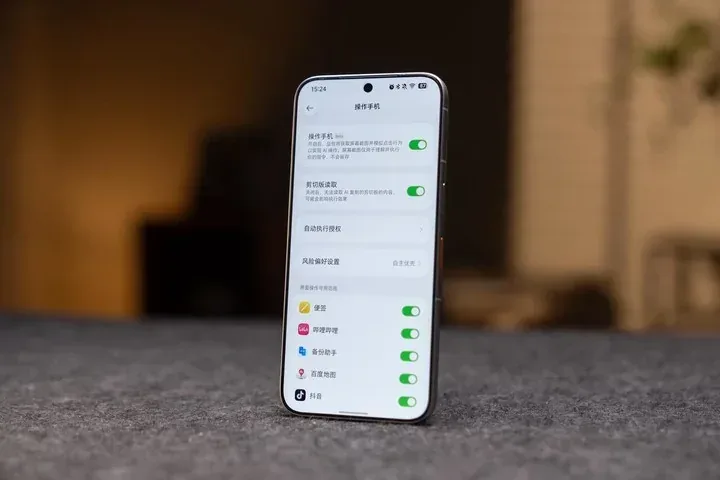
Compared with the earlier technology preview, which was more demonstrative, the consumer edition retains the ability to "operate the phone" while placing limits on its boundaries. It also adds a dedicated AI button. A long press summons the assistant, a double press enters real-time video conversation, and users can ask general information questions even from the lock screen. For sensitive operations, the button can work with fingerprint verification to confirm whether to authorize continued execution. This button is not just a shortcut; it attempts to initiate an action.
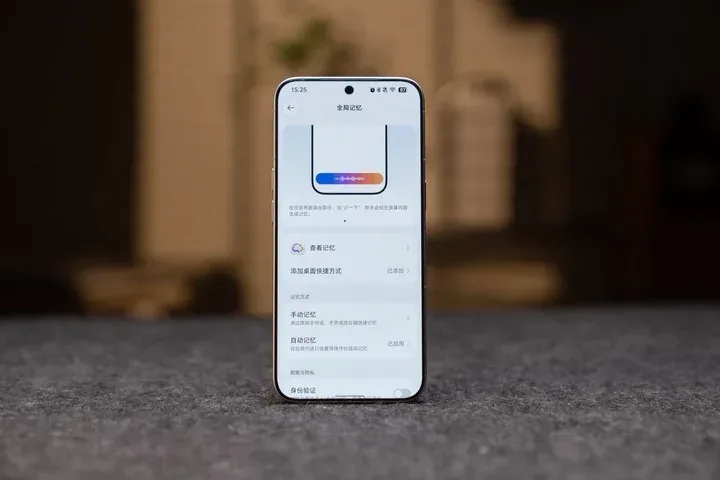
Another upgrade is personal context and memory. After authorization, Doubao Mobile Assistant can obtain more information, and users can save useful information as memories through voice, buttons, gestures, and screenshots. This context makes the agent more "understanding" before it acts. At the experience level, it can recognize content on the current screen and offer suggestions directly, treating real-time visuals as input beyond text and eliminating steps such as copying, retelling, and uploading.
The real challenge, however, is not in demos but in daily life. Whether ordinary people are willing to hand over tasks every day depends on whether the agent can reliably complete operations across apps—and whether it can be stopped and corrected when something goes wrong. Permissions, privacy, and controllability are questions that an "action terminal" must answer. Being built into the system is only the starting point; long-term usability is the dividing line.
This aligns with StarWar Technology's direction on the OPC agent collaboration platform: letting agents take on verifiable, long-chain work while constraining them with context, boundaries, and process records. On the phone side, agents put the entry point in the user's hands; on the enterprise side, agent collaboration must turn permissions, auditing, and reliable delivery into infrastructure. Both face the same challenge.
More noteworthy is the battle over entry points. Building agents into operating systems, packaging mini-program services into callable capabilities, or redesigning interactions for agents from the hardware level—these routes are advancing simultaneously, all competing over "who receives the user's intent first." Once the entry point moves forward, the distribution of models, tools, and service ecosystems will change accordingly.
From "helping you answer questions" to "getting things done for you," the role of the smartphone is being redefined. As terminals begin to take on tasks, competition among agents shifts from model capability to engineering reliability and ecosystem coordination. Whoever can make the experience stable will earn long-term usage.