
At the AICon Global Artificial Intelligence Development and Application Conference Shenzhen, Wei Fengdi, Head of AI Device-Cloud Interaction at Alipay, systematically introduced xUI, the Agentic terminal interaction engine supporting Abao, covering communication, interaction, execution, and multi-agent collaboration.
The evolution path of mobile agents is clear: from basic chat and information queries, to continuous dialogue and content generation, to completing transactions from start to finish. Engineering methods such as RAG, Prompt, MCP, and Multi-Agent are also continually reshaping the product forms of mobile applications.
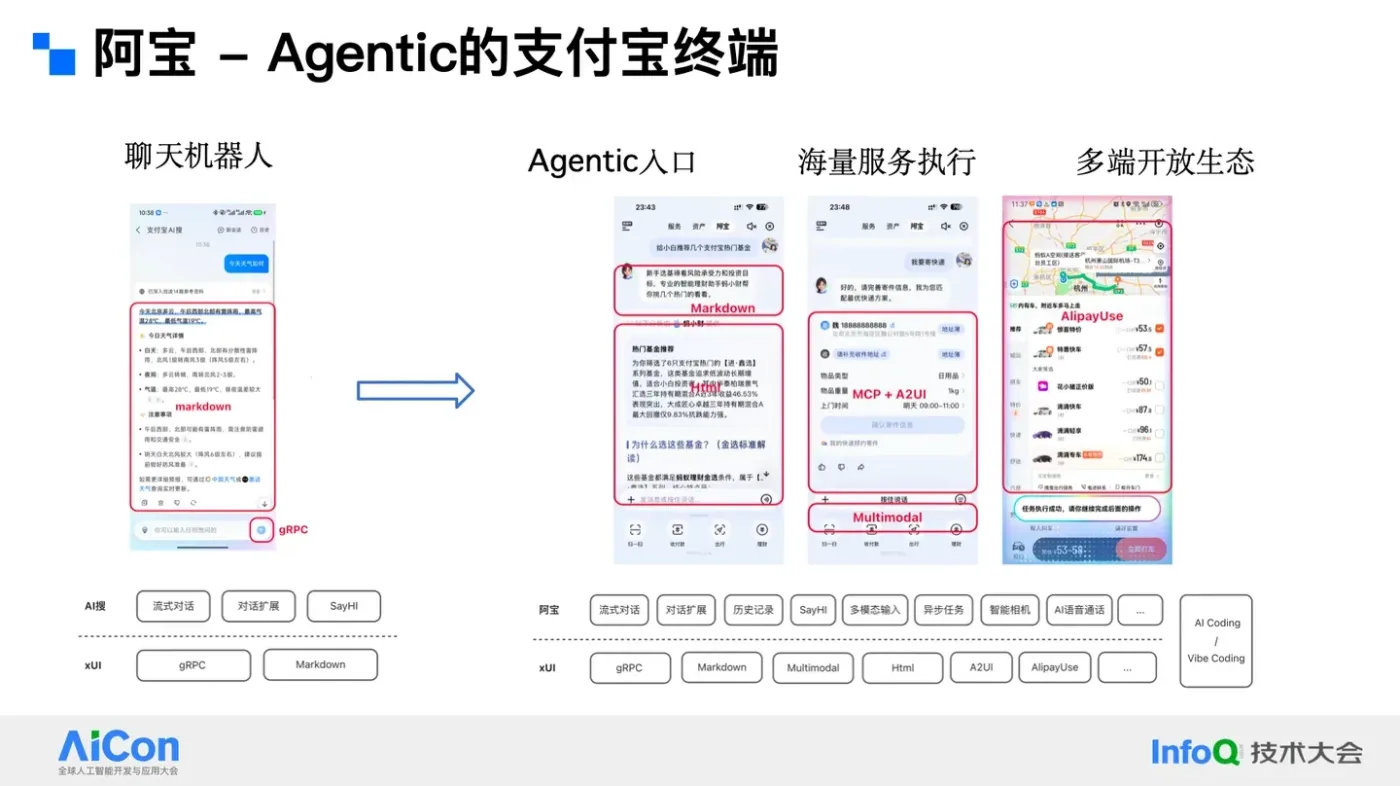
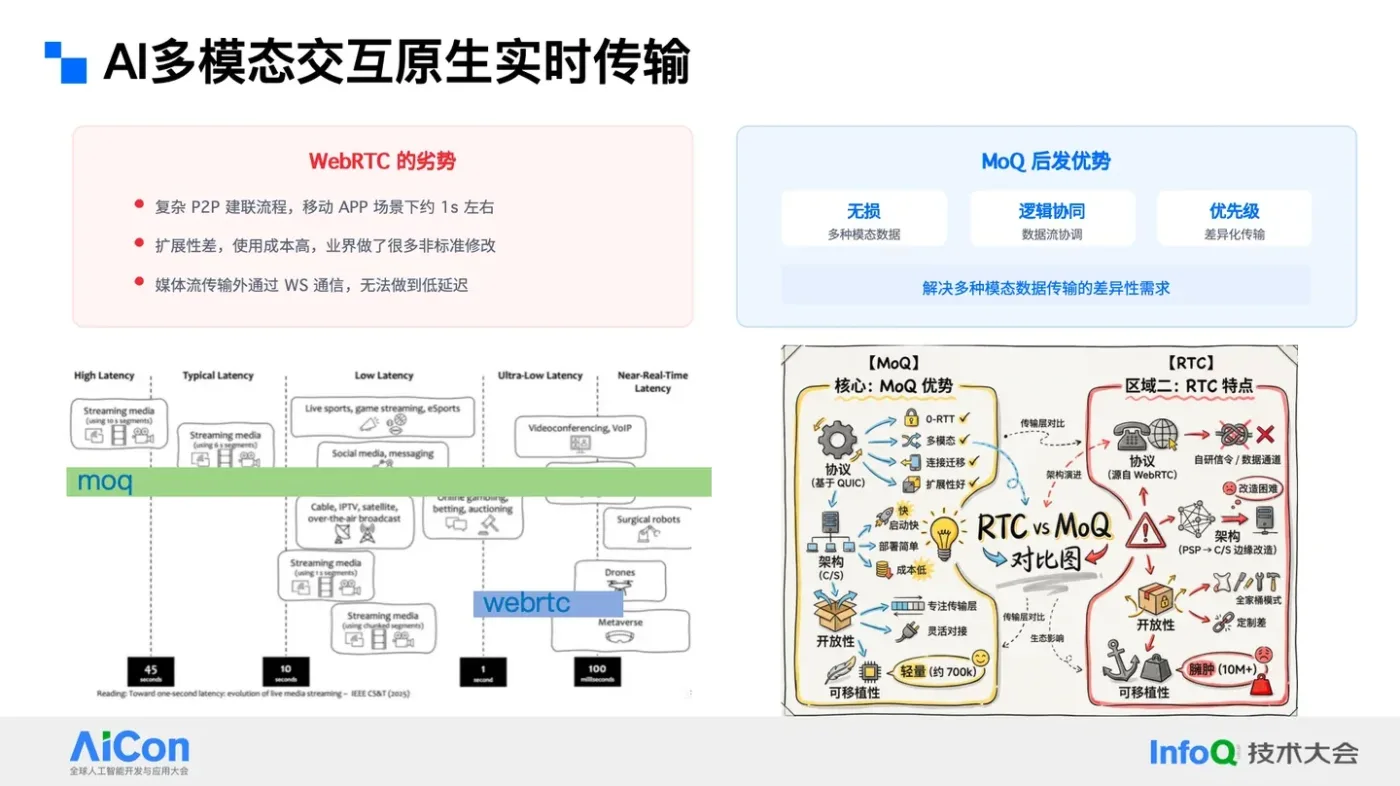
The first thing xUI must solve is communication. Early RTC links were designed for human-to-human interaction, with slow connection setup and difficult scaling. Later, it shifted to a layered transport with MOQ as primary, RTC as backup, and gRPC as fallback, and decoupled media capabilities from network protocols through a network abstraction layer.
The second is interaction. From streaming Markdown, to an in-house Web kernel capable of generating complex HTML, to declarative UI based on the A2UI protocol, users can view, confirm, and select within the conversation, truly completing the service end to end.
The third is execution. For mini-programs and government service scenarios that lack standard MCP supply, the team combines GUI, TUI, and fixed scripts, and emphasizes that execution success rate must exceed 90%, with page stability verification required before data collection and execution.
The fourth is collaboration. User intents are distributed across various apps, and Alipay needs to collaborate with vendor agents to hand tasks in and output service supply. Behind this is the challenge of models, tools, and multi-party agents collaborating toward the same goal. StarWar Technology’s exploration in the OPC agent collaboration platform and MCP marketplace directly addresses this layer of demand.
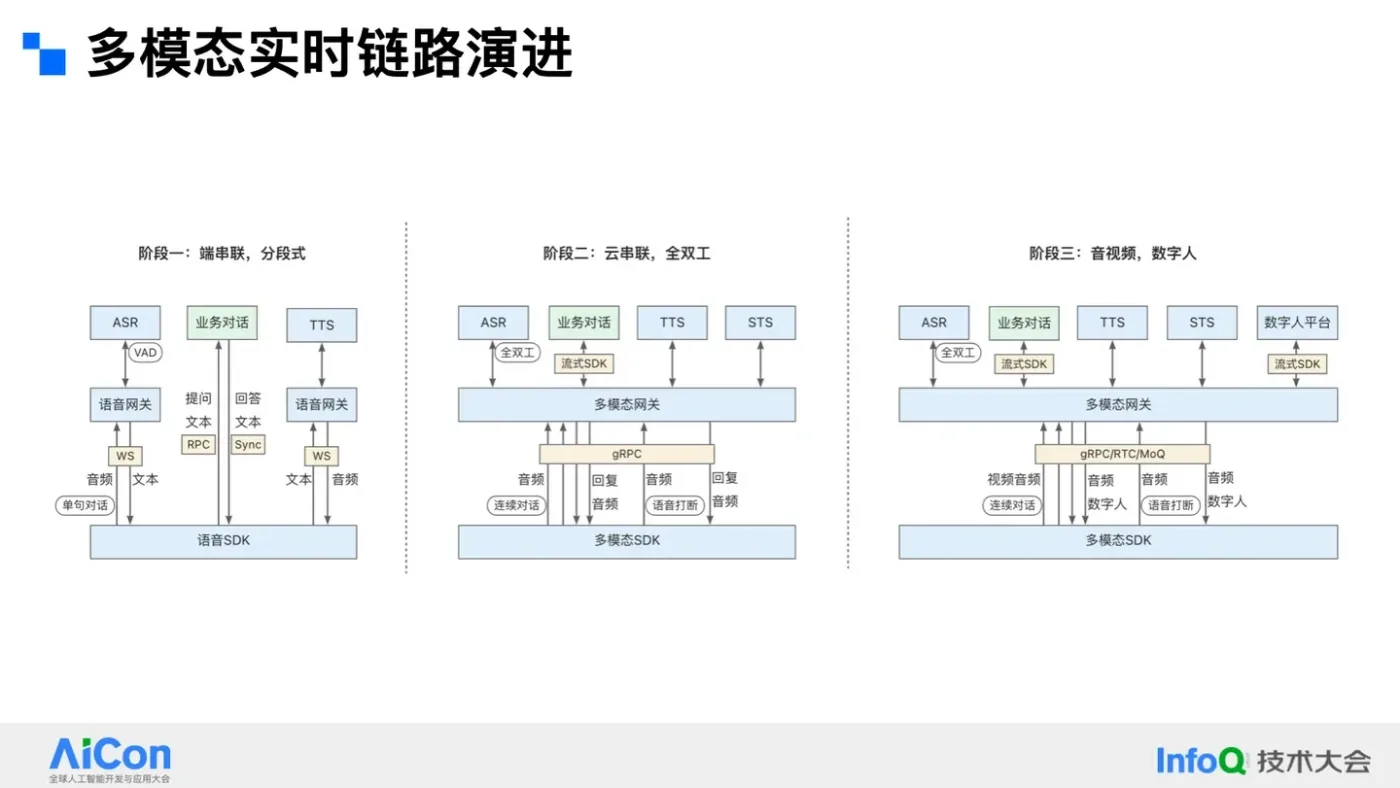
The team is also exploring cloud sandboxes to run services directly, asynchronous tasks, and companion-style interaction, hoping to shift from people finding services to services finding people, making services available anytime and anywhere.
Abao’s practice shows that the success of mobile agents depends not only on model parameters, but on whether communication, interaction, execution, and collaboration can form a stable closed loop. Whoever connects this chain will be closer to making agents truly get things done.