
The latest move from Baidu Miaoda is no longer just about “one-sentence app generation.” Two small companies with almost no technical staff ran core business operations directly on Miaoda. A niche apparel brand with nearly 30 employees built a chain covering merchandise planning, supply chain order tracking, payments, and inventory. A new materials company built an office system integrated with WeCom.
Previously, enterprise digital transformation typically followed two paths: buy standard SaaS and force business processes to fit the software, or hire an outsourcing team for custom development, which consumes both time and money. For these two companies—small in scale and limited in budget—both paths were largely unworkable. Miaoda opened a third path: let the people who understand the business best turn processes directly into systems.
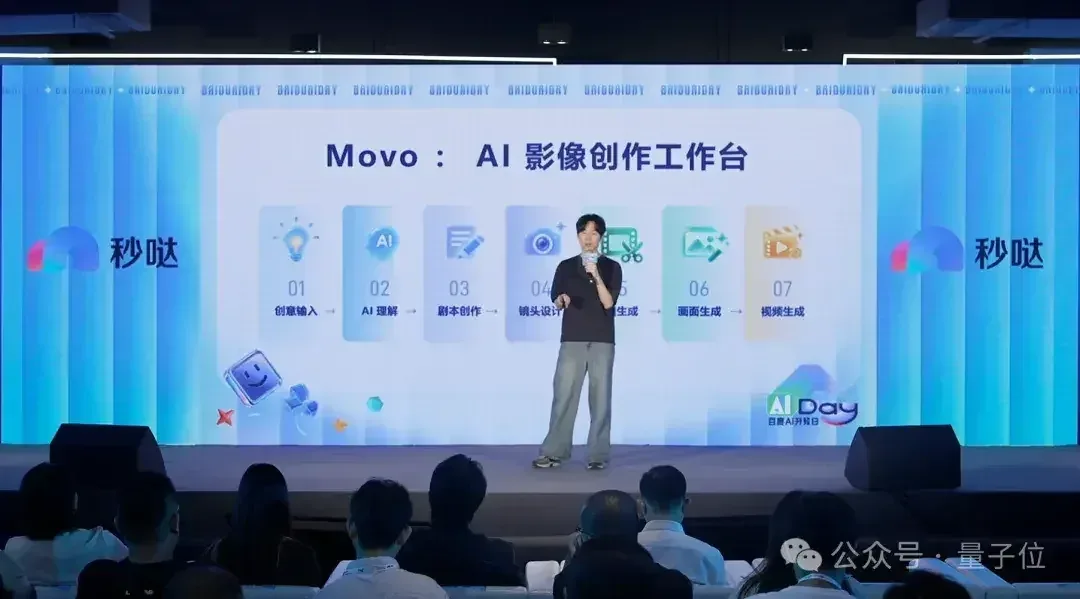
For individual creators, Miaoda’s most immediate value is removing the technical barrier between an idea and a product. Users describe requirements in natural language, and the system separately handles design, development, and database setup, automatically assembling a runnable full-stack application and publishing it as a webpage, mini-program, or native app with one click. Projects that once required a product manager, UI designer, and frontend/backend engineers can now be completed independently by a “super individual.”
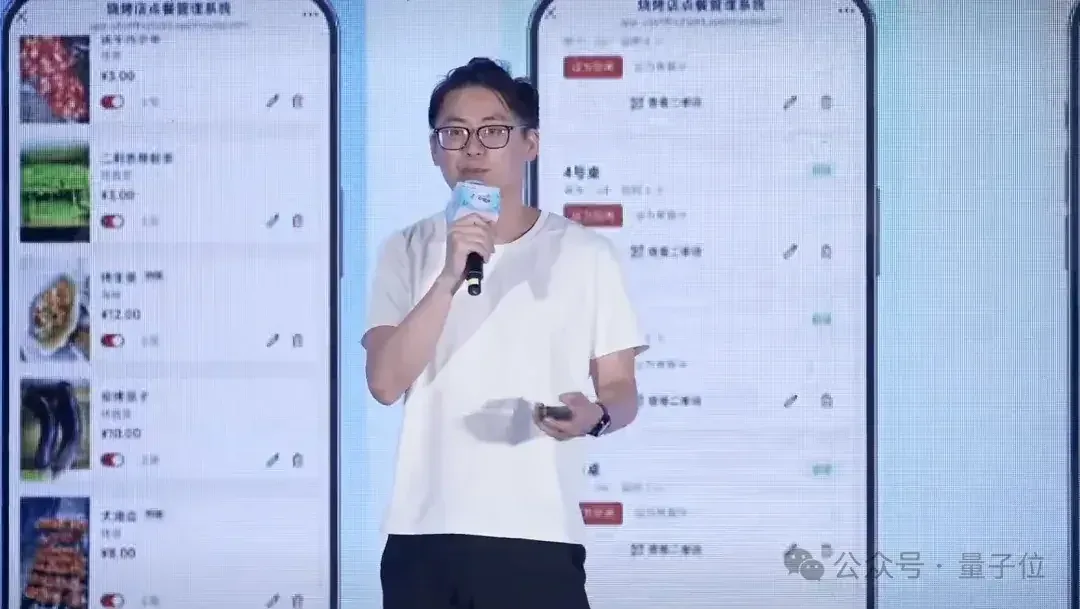
Enterprise applications raise the bar much higher. A personal app can quickly test a single requirement, but an enterprise app must immediately address multi-user collaboration, role-based permissions, data security, and long-term high availability. More challenging still, the tacit knowledge that truly needs to be systematized often exists only in the minds of frontline business staff. Under traditional development models, requirements pass through documents and multiple layers of retelling; each transfer moves the system one step farther from the real operational frontline.
This aligns with the direction StarWar Technology emphasizes on its OPC agent collaboration platform: enabling business users to drive agents with natural language to complete development, while the platform provides a unified permissions and management foundation. That allows multi-agent collaboration to be both flexible and consistently bounded by controls. Connecting “the people who best understand the business” directly to production essentially shortens the chain from requirement to delivery.
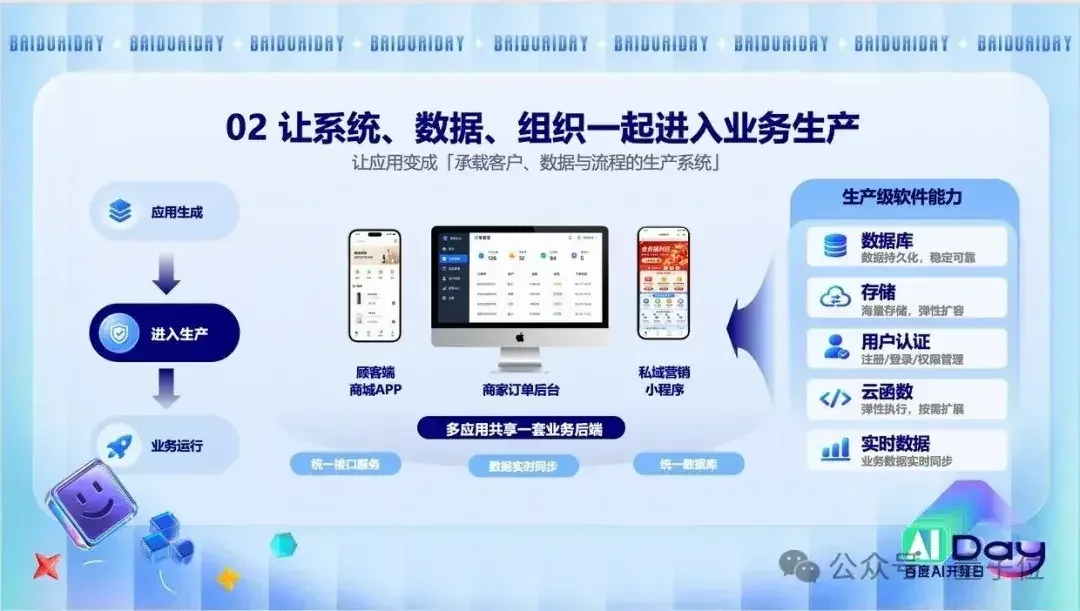
Data also confirms the scale. Over the past year, Miaoda’s served users grew 200x, and the platform generated 5 million commercially valuable applications. Nearly 200,000 people use it online daily, and 87% of creators previously could not write code at all. The enterprise edition is built around a three-tier organizational structure—enterprise, team, and member—strengthening the matching of business roles and permissions. It also supports source code download, custom domains, and on-premises deployment, adding operational assurance.
When generation speed is no longer the barrier, permissions, data, and stability determine how far no-code AI can go. Letting business-savvy people build systems is reshaping how enterprise software is supplied and returning the initiative for application building to the business frontline.