
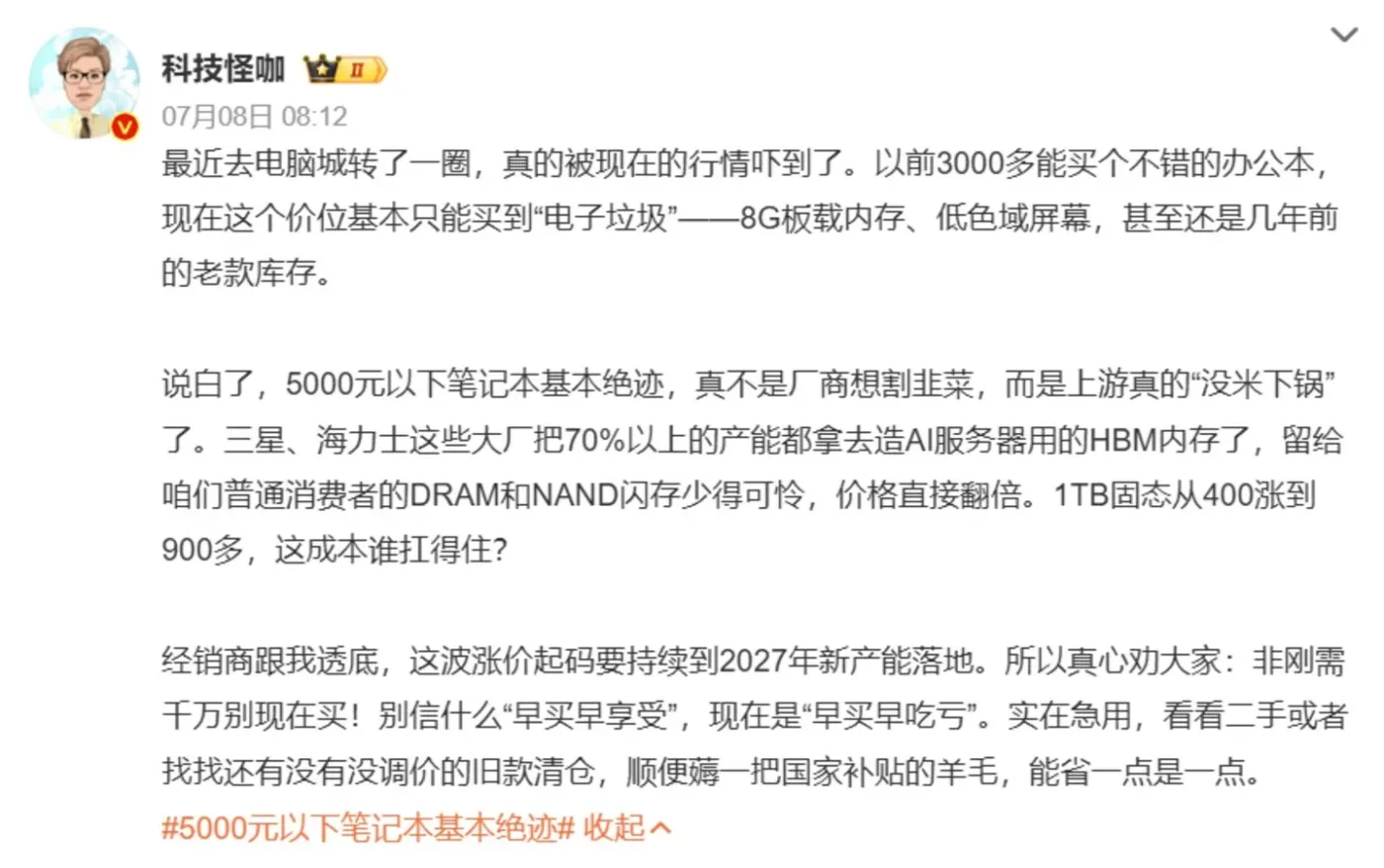
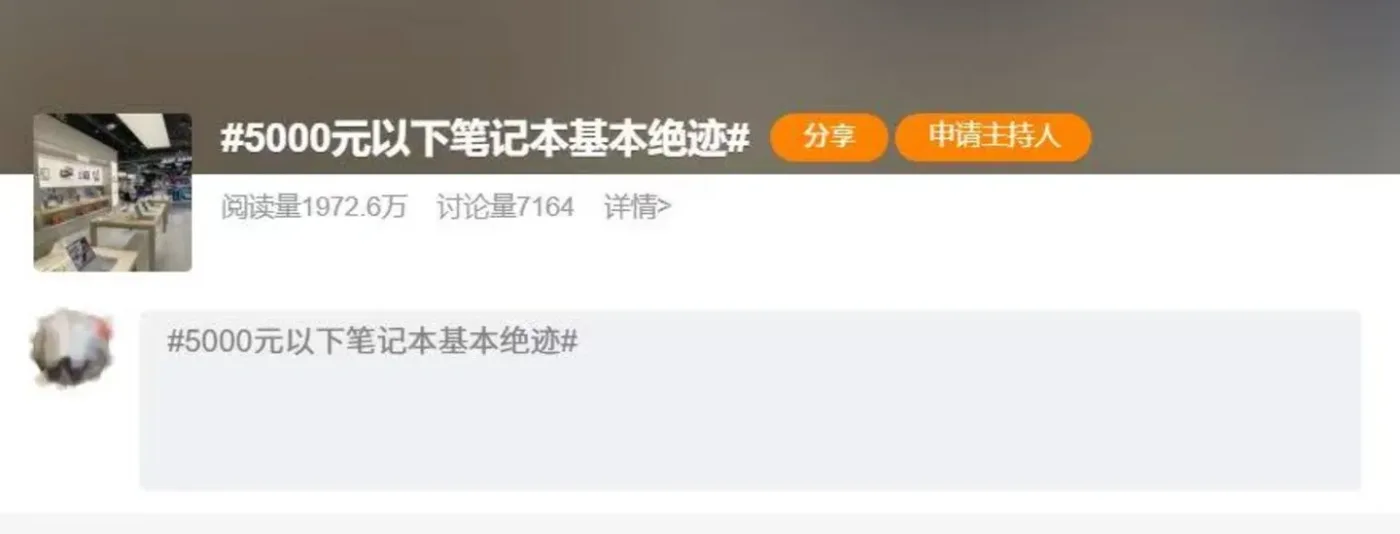
As a new cohort of incoming college students prepares for campus, the annual back-to-school PC buying season looks completely different. Apple’s MacBook Air has jumped by at least 1,500 yuan, Lenovo’s Legion R7000P has risen more than 1,000 yuan in a month, and NVIDIA’s RTX 5090 graphics card has surged from about 20,000 yuan to 35,000 yuan. The once-bustling 5,000-yuan mainstream tier is rapidly shrinking, with similarly configured laptops now 800–1,500 yuan more expensive than last year.
T
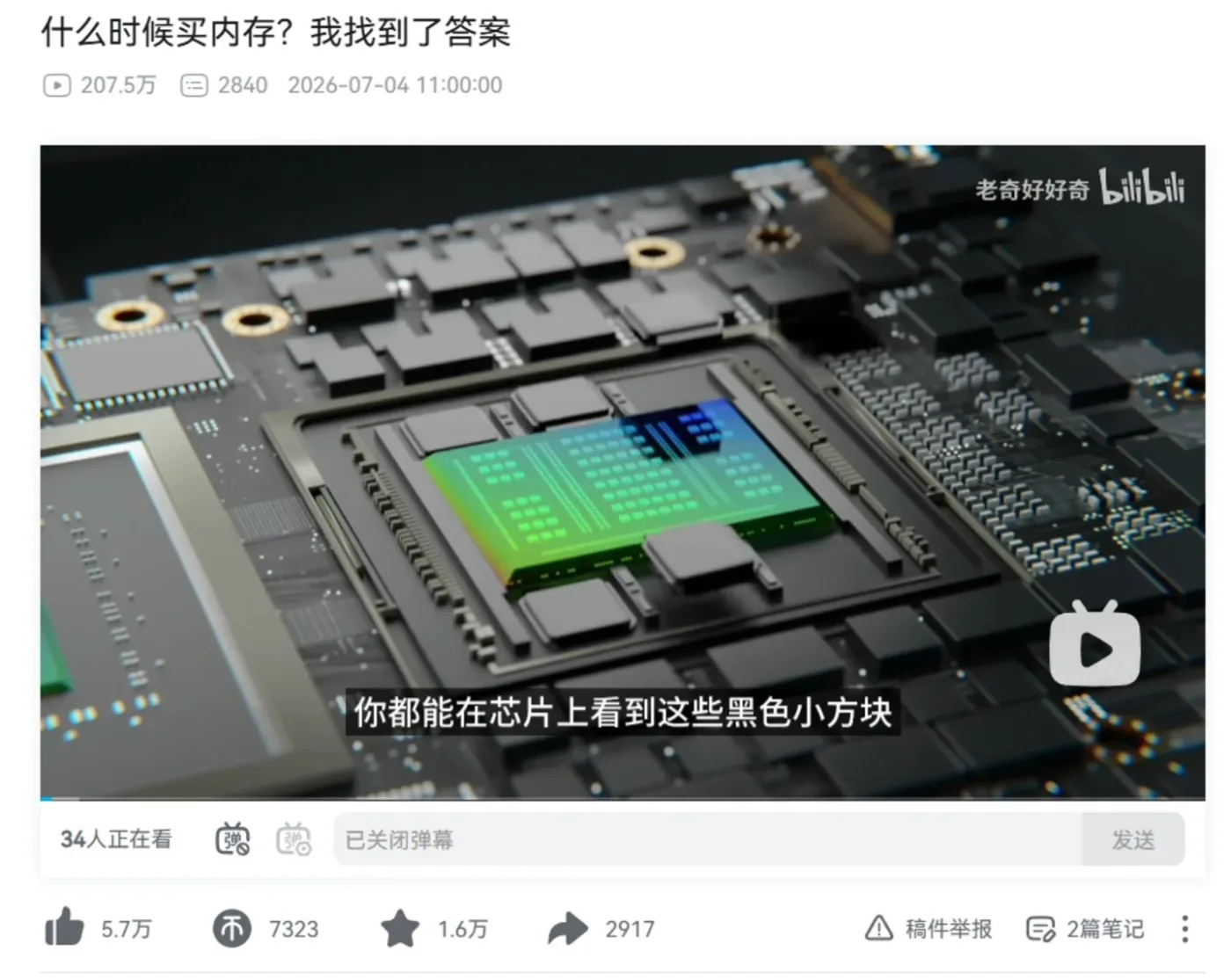
he root of the increase lies in memory chips. From Microsoft, Google, and Amazon to China’s ByteDance, Tencent, and Alibaba, every major player is racing to build AI training clusters as part of the broader AI infrastructure buildout. A top-tier AI server consumes 8–10 times more memory than an ordinary cloud server. Samsung, SK Hynix, and Micron have disclosed that their 2026 capacity for next-generation high-bandwidth memory (HBM)—a critical component for AI chips—is essentially booked out, while wafer starts for consumer PC memory have been pushed to historic lows.
The result is an extraordinary memory price surge: DDR4