
Over the past half year, multi-agent collaboration has become nearly ubiquitous across AI video platforms. Platforms like LibTV and Flova have achieved rapid user and business growth by wrapping model APIs into complete workflows that take a project from script to finished film. Now upstream model vendors are entering the arena themselves, extending the competitive focus from raw model capability to production tools and creative experience.
On August 31, Qwen Creative's Agent Teams officially opened to all users, chaining five AI agents — screenwriter, director, art designer, cinematographer, and editor — into an end-to-end pipeline from concept to final cut. Just ten days earlier, MiniMax launched its official creation workbench, MiniMax Design, integrating full-chain capabilities including generation, editing, and post-production. ByteDance, in the same window, began internal testing of its comic-drama creation tool and Seedance Studio. Three major players made their moves within a single month, yet their positions and strategies are far from symmetrical.
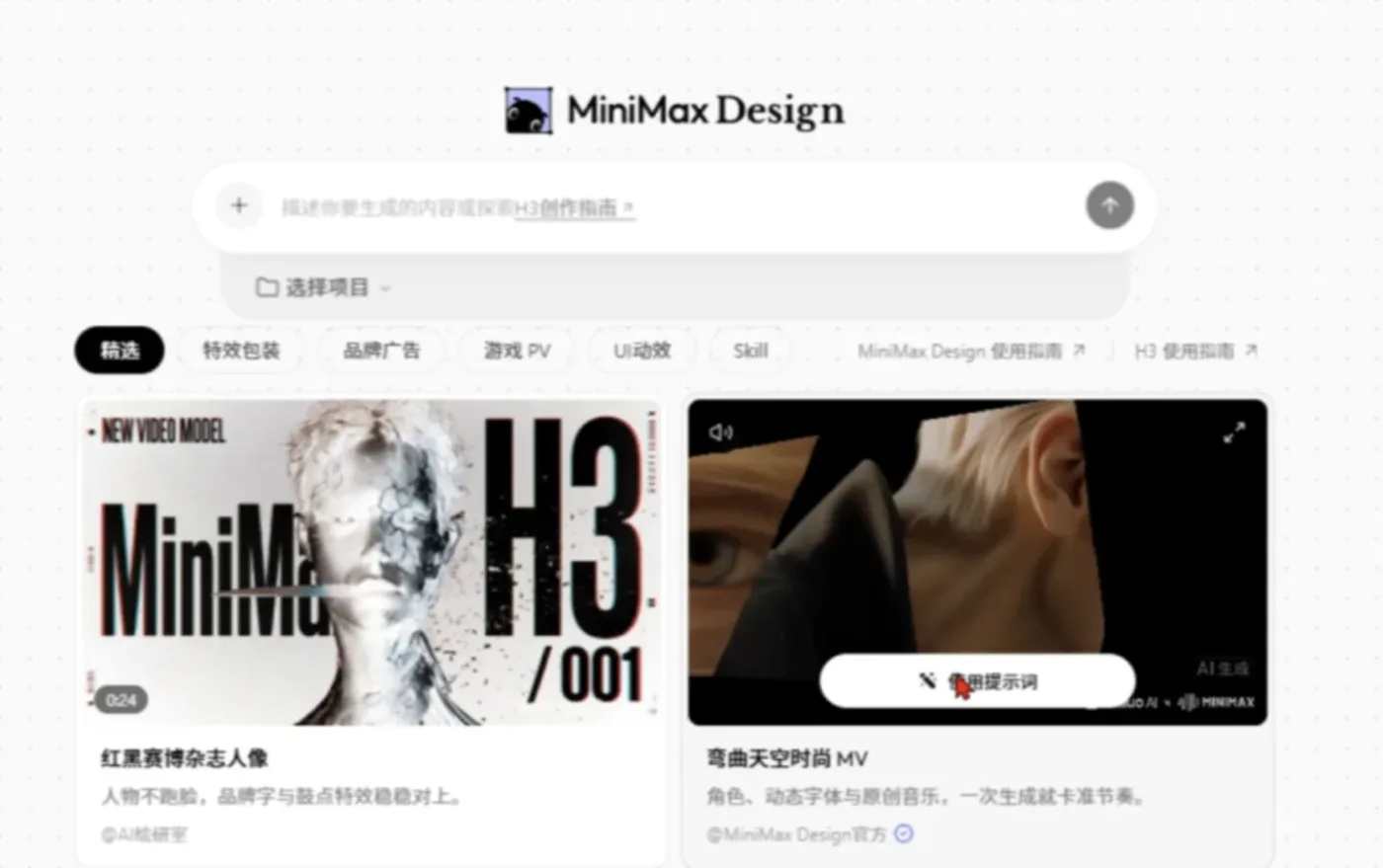
Alibaba and MiniMax, as challengers, are using a dual-track approach — official tools plus third-party channels — to disrupt the market. Alibaba's Wan 3.0 has already been integrated into multiple third-party platforms, but the production workflows and data remain siloed elsewhere. With Qwen Creative's Agent Teams, Alibaba is embedding its full-capability model into a multi-agent system structured around film crew roles, keeping every stage from ideation to final output within its own ecosystem. MiniMax is following the same playbook, but its open-source roots make application-layer delivery all the more critical: the company is packaging H3's editing, sequencing, and transition capabilities into ready-to-use workflows, with style calibration fine-tuned for attention mechanisms.
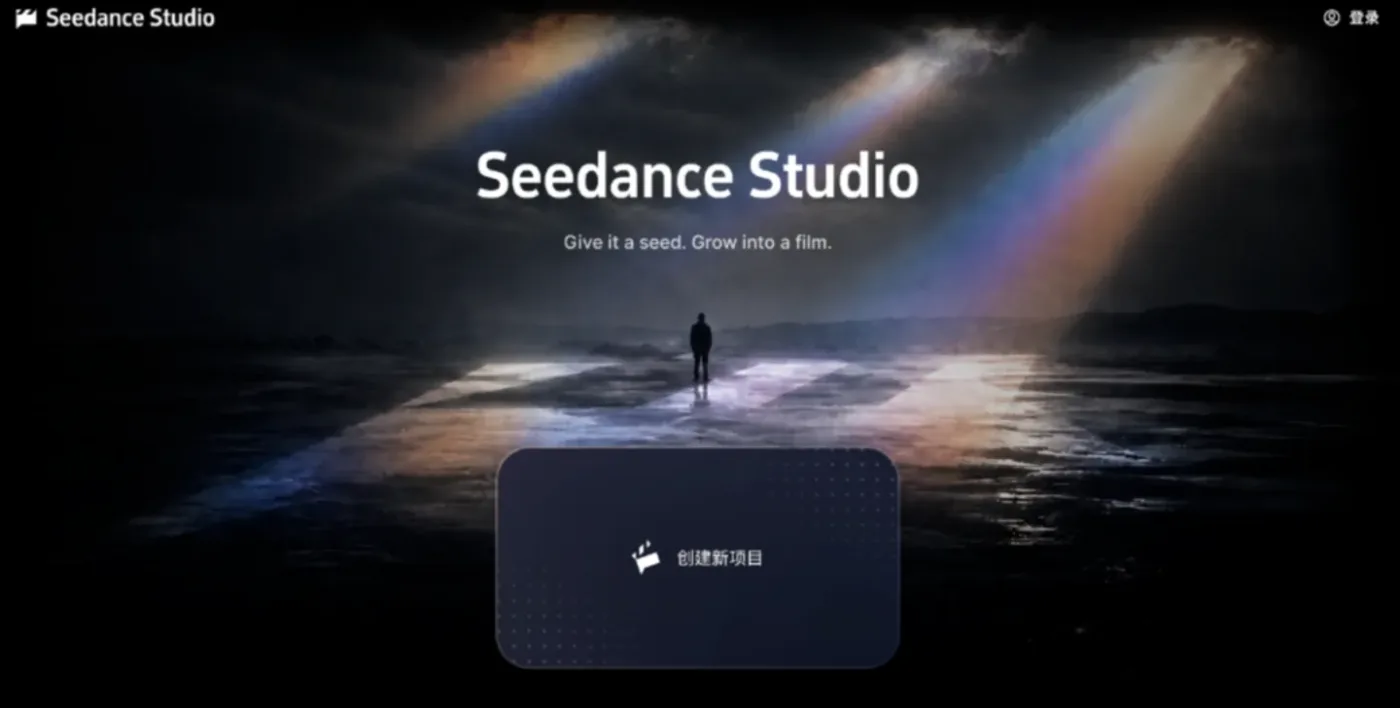
ByteDance, as the market leader, is defending its position through tool-chain closure and tiered pricing. By daily computing-power consumption, Seedance commands more than 80% of China's domestic AI video market, with short-drama penetration reaching as high as 95%. Yet as a model provider, ByteDance only captures API call volume — the truly valuable vertical training data is all accumulating on third-party platforms. The comic-drama creation tool connects the entire chain from scriptwriting and production to distribution on Douyin, while Seedance Studio targets cinematic-grade professional creation, linking models, tools, and distribution into a closed loop.
Meanwhile, ByteDance has deployed a dynamic pricing strategy: premium new models set the quality benchmark, older versions defend the cost-performance base, an entry-level tier at 0.2 yuan per second targets high-volume trial-and-error use, and the mid-tier at 0.6 yuan per second directly undercuts MiniMax H3's pricing range. Premium for brand, mid-tier for market share, entry-level for scale — this tiered approach is designed to counter competitors' price-performance pressure while stabilizing its existing user base.
The most direct pressure falls on third-party aggregation platforms like LibTV and Flova. When core capabilities across platforms come from the same upstream models, product differentiation becomes elusive, and competition inevitably compresses into integration speed and subsidy depth. Yet aggregation platforms retain two irreplaceable values: they are the model vendors' most important distribution channels, and the demand for multi-model mixing gives them fertile ground — AI short-drama creators almost universally mix Seedance, MiniMax, Kling, and other models. Official agents are inherently inclined to schedule their own models, which makes them restrictive in complex projects requiring cross-model combinations.
Model vendors are also accelerating their ecosystem moats, using Skill modules to codify top creators' workflows and leveraging style libraries with global asset locking to prevent style drift. The window for this race is narrowing: with ByteDance holding the model, tool, and distribution cards, and with MiniMax and Qwen reaching customers directly through official agents, only platforms with differentiated assets and vertical depth will retain a viable foothold.
The essence of competition in AI video tools has shifted from model capability to pipeline capability and ecosystem lock-in. When models are no longer a scarce resource, whoever controls the complete chain from production to distribution will seize the initiative in the transformation of the content industry. This approach of stringing multiple agents into reusable workflows is precisely what StarWar Cloud's OPC intelligent agent collaboration platform emphasizes: orchestrating disparate tool capabilities into stable production pipelines, moving AI from one-off generation to industrialized output.