
Uber unveiled its software factory vision at the 2026 AI Engineer Conference. Data shows that from February to August 2026, weekly active users of company-wide agents grew 7x, while weekly agent request volume surged 9.4x — yet total AI spending has remained relatively stable since April. Today, over 70% of code merge requests are generated by agents, and more than 3,600 agent skills are invoked over 30,000 times daily.
Scaling agent fleets while keeping costs under control is a shared anxiety across most enterprises. AI bills tends to rise linearly with adoption — the more you use, the more you burn, and scale benefits are quickly devoured by mounting expenses. Uber's approach is precisely the brake on that vicious cycle.
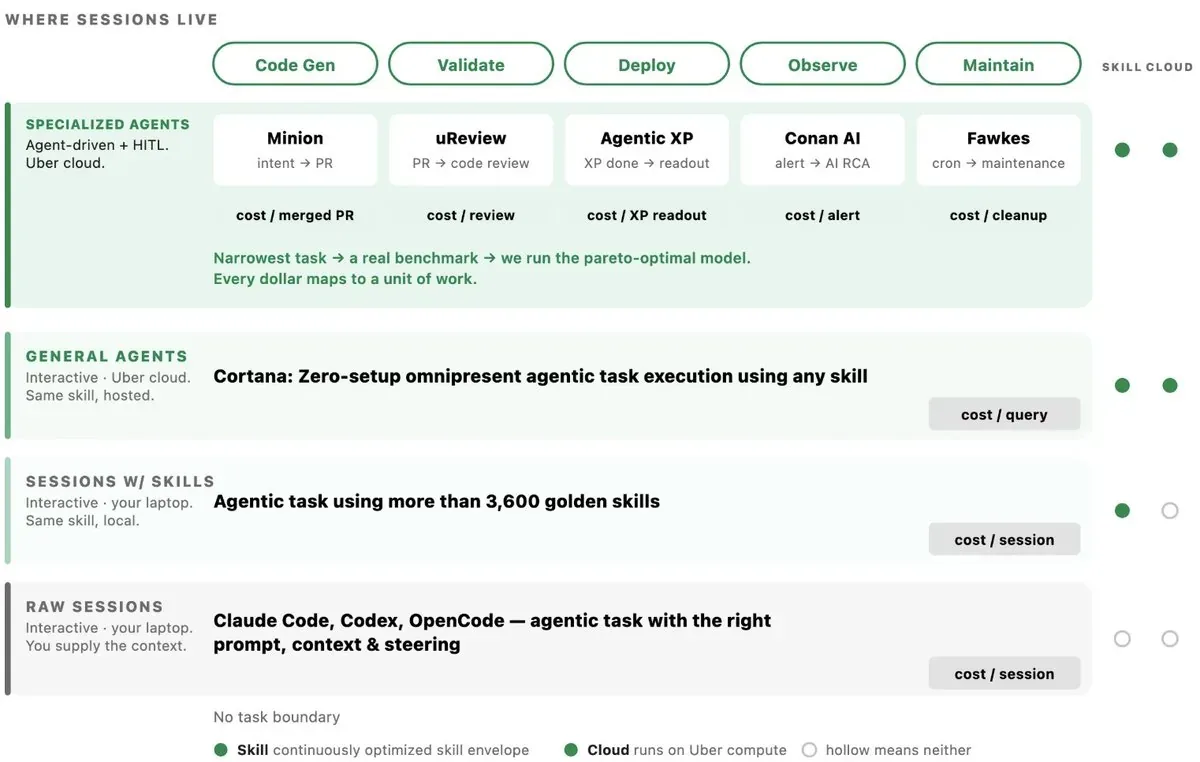
Uber quantified the payoff using fixed-model A/B testing: cost per 1,000 model requests has fallen nearly 34% from peak, and per-session cost is down 52% from June's high. Crucially, these reductions come from engineering optimization, not simple price cuts — the same model, the same task, systematically cheaper through smarter routing and context management.
Traditional cost-saving tactics focus on driving down unit prices or downgrading model capabilities, often at the expense of quality. Uber discovered that the real cost driver is wasted token consumption: bloated context windows, stale prompt caches, multi-turn polling overhead, and poor model routing all quietly drain budgets. Plugging those leaks is where fundamental cost improvements happen.
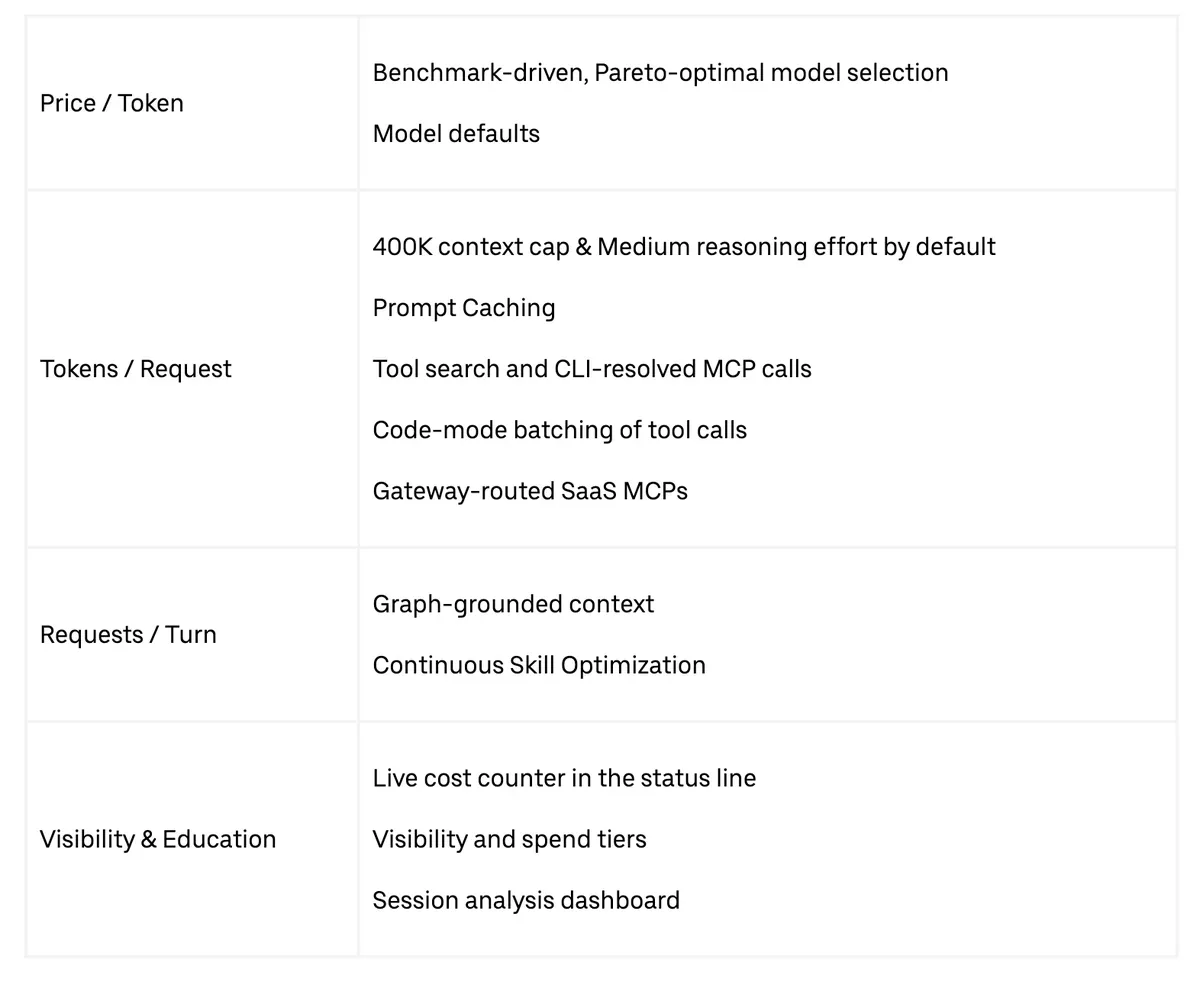
The essence of this methodology is upgrading AI cost governance from "pick the cheaper model" to "platform-level orchestration and control." StarWar Cloud's sustained investment in large-model API marketplaces and compute scheduling is precisely about helping enterprises unify diverse models and billing structures into a manageable, observable cost framework — where every token spent can be accounted for.
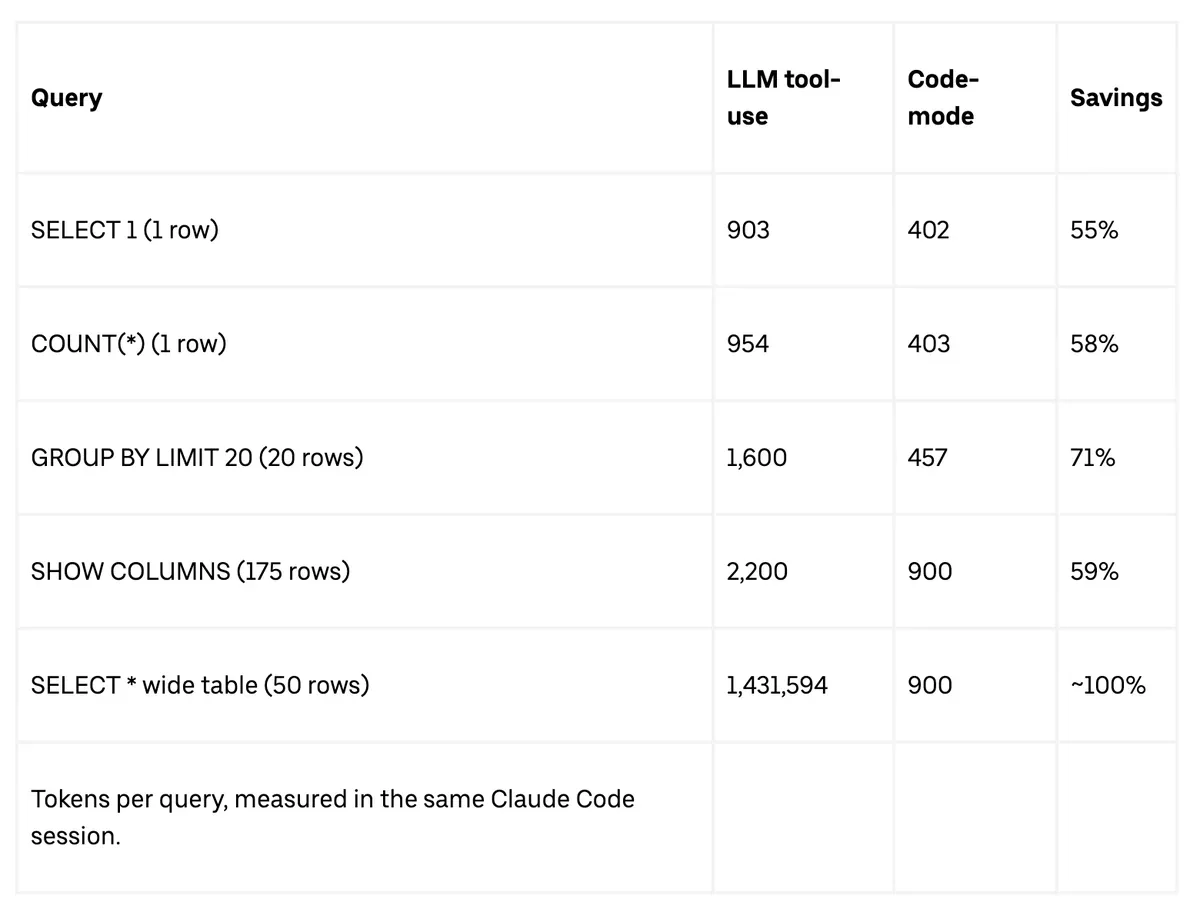
Uber's other key move is an MCP unified gateway: more than 1,000 MCP servers are centrally routed, with tool schemas loaded on demand, slashing the 50,000-to-70,000-token preloading overhead per session. The more prosperous the agent tool ecosystem becomes, the more critical context engineering grows — and whoever makes tool integration the lightest holds the clearest cost advantage.
Agents are moving from "does it work" to "is it worth it," making cost governance a required course for enterprise AI deployment. Uber's real-world business data proves that scaling up and cutting unit costs can go hand in hand — the key is building a measurable, optimizable engineering system rather than blindly stacking models or slashing capabilities.