
Cloudflare has launched Kitesurf, a lightweight browser built specifically for automated workloads. The browser's components run in an isolated WebAssembly/Rust environment on Cloudflare Workers, with support for the Chrome DevTools Protocol, allowing Playwright and Puppeteer to drive it with significantly lower resource overhead than a full Chromium browser. It is designed for tasks such as HTML extraction and screenshot capture.
Browser engines like Chromium were built with human users in mind, carrying performance overhead that AI models simply don't require while consuming enormous amounts of memory and compute. Allocating an individual instance for every AI agent is prohibitively expensive, and as a result, much of the web's content remains accessible only to the most complex and cost-intensive AI models, locking out a wide range of agent-based applications.
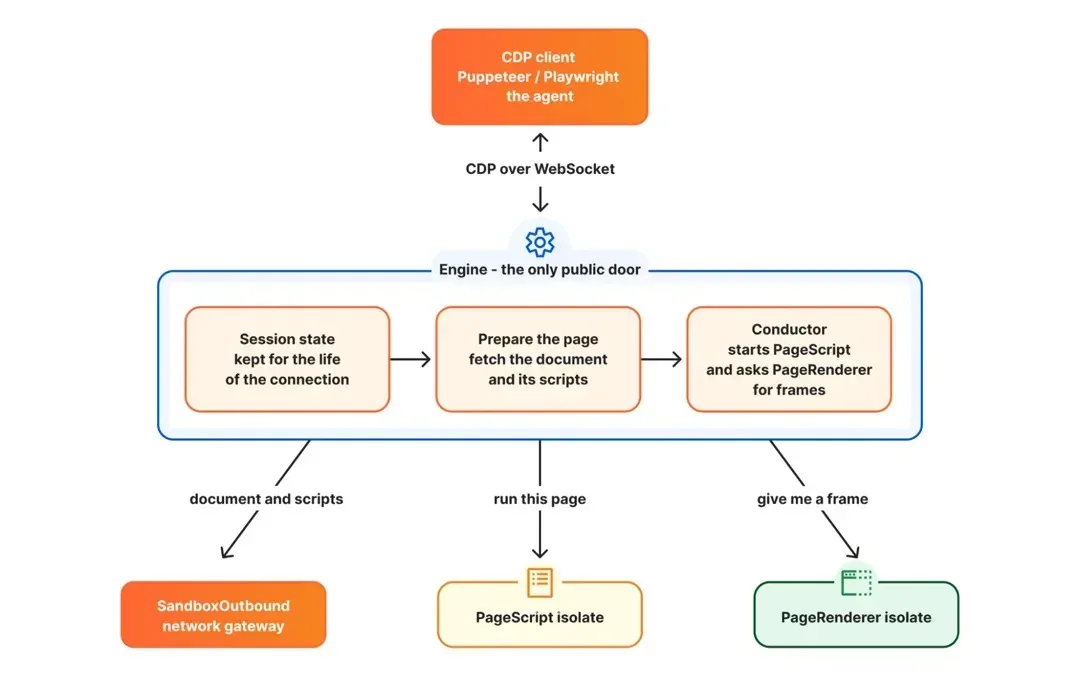
Cloudflare believes AI agents should prioritize token consumption, scalability, performance, cost, structured content, and tool security — not visual fidelity, tabs, or browser extensions. Kitesurf leverages the Rust-based Blitz rendering engine and Firefox's Stylo CSS parser, running each page in a long-lived Dynamic Worker to ensure full environment isolation.
Kitesurf is not yet a drop-in replacement for Chromium: it lacks support for video, WebGL, real-world TLS-based bot verification, and long-lived authenticated sessions. On Reddit, practitioners have also raised concerns about the project's still-closed source code, and whether Cloudflare is "having it both ways" by building tools that help AI agents scrape websites while simultaneously selling services designed to block AI crawlers.
Agents need access to web pages and tools to execute tasks, and browsers are becoming part of the agentic infrastructure stack. Kitesurf puts a "runtime rewritten for AI" squarely on the industry agenda. Lightweight, scalable, low-token execution environments like this echo the tool-integration and runtime-governance direction that StarWar Cloud has championed on its OPC Agent Collaboration Platform — together forming the infrastructure foundation for large-scale agent deployment.
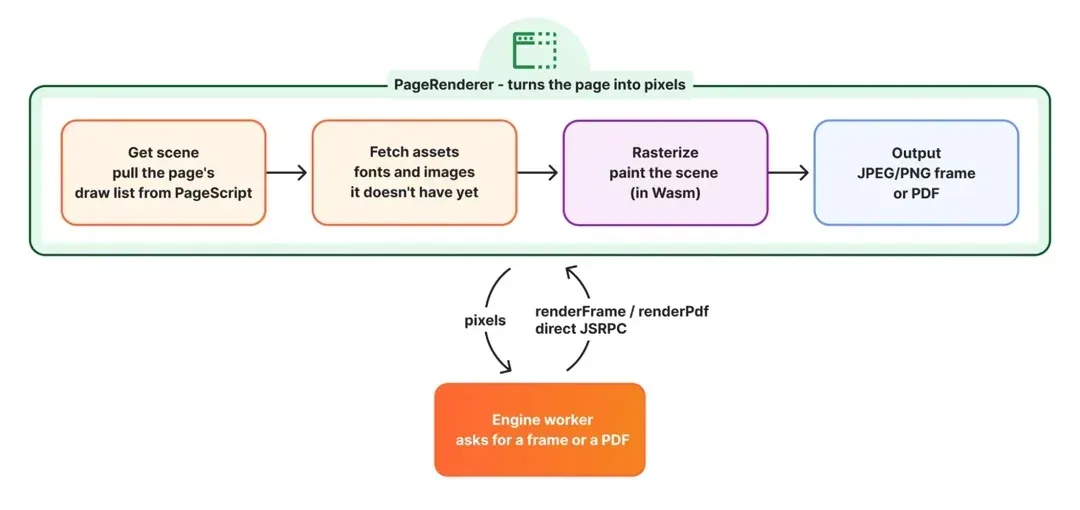
Blitz creator Nico Burns has confirmed that Kitesurf is built on top of his open-source modular browser engine, and Cloudflare plans to open-source the associated patches and contribute them upstream. As a new product category, agent browsers are joining MCP and agent frameworks to extend AI's execution environment from the conversational interface into the real world.
The shift from human-centric browsers to agent-centric browsers is not about rendering technology — it is about first-principles priorities. Whoever can provide AI with more cost-efficient, scalable access to web content will hold the advantage in the next chapter of agent infrastructure. The project remains experimental, but the direction is unmistakable.