
According to The Information, OpenAI has acquired tens of thousands of Mac mini and Mac Studio machines specifically for reinforcement learning training. Anthropic has also been renting Mac minis through Amazon Web Services to perform similar workloads. This wave of procurement is already showing up in Apple's earnings: Mac sales grew nearly 29 percent year-over-year in the most recent quarter, making it Apple's fastest-growing business segment.
A question repeatedly asked is: what kind of AI workload can't NVIDIA GPUs or Google TPUs handle, that requires Macs? The answer lies in the niche scenario of reinforcement learning. Mac mini and Mac Studio leverage a unified memory architecture—where CPU and GPU share the same memory pool without the need for frequent data transfers between VRAM and system memory—giving them a unique edge when processing reinforcement learning tasks that run for hours or even days at a stretch.
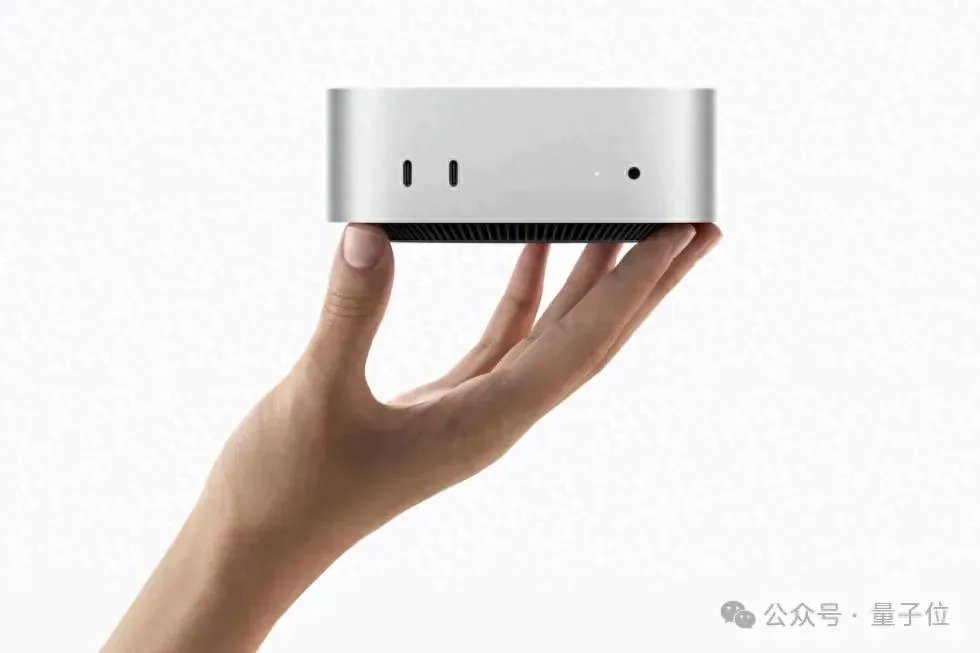
Beyond architecture, thermal management is another critical factor. Unlike slim laptops, Mac mini and Mac Studio come equipped with dedicated cooling systems that prevent thermal throttling during prolonged complex AI workloads—an essential requirement for sustained, long-duration training runs. Apple has also been promoting the open-source EXO Labs project, which enables multiple Macs to form a cluster and run trillion-parameter models locally.
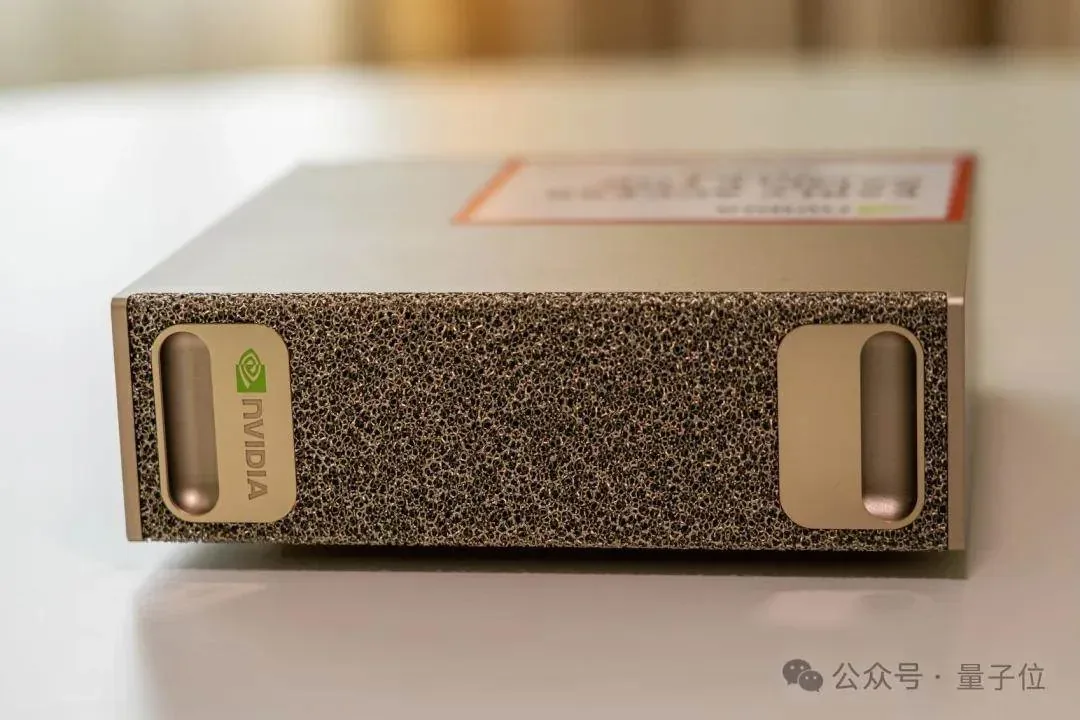
Apple's ambitions in on-device AI have already caught NVIDIA's attention. According to sources familiar with the matter, NVIDIA now views Apple as its biggest competitor in the on-device AI space, having released the DGX Spark desktop AI computer late last year—a machine with a design language reminiscent of the Mac mini—aimed squarely at this market. A head-to-head battle over local compute and desktop clusters is now underway.
For the broader computing power industry, these signals warrant careful consideration: the compute demands of training and inference are diverging, and new architectures such as unified memory and heterogeneous acceleration are beginning to prove their value in real-world tasks. Computing power is no longer a one-answer story dominated by NVIDIA GPUs. Matching compute selection and orchestration to specific workloads is becoming a routine practice in enterprise AI engineering—and this is precisely the industry context behind StarWar Cloud's sustained investment in GPU compute platforms and compute scheduling.
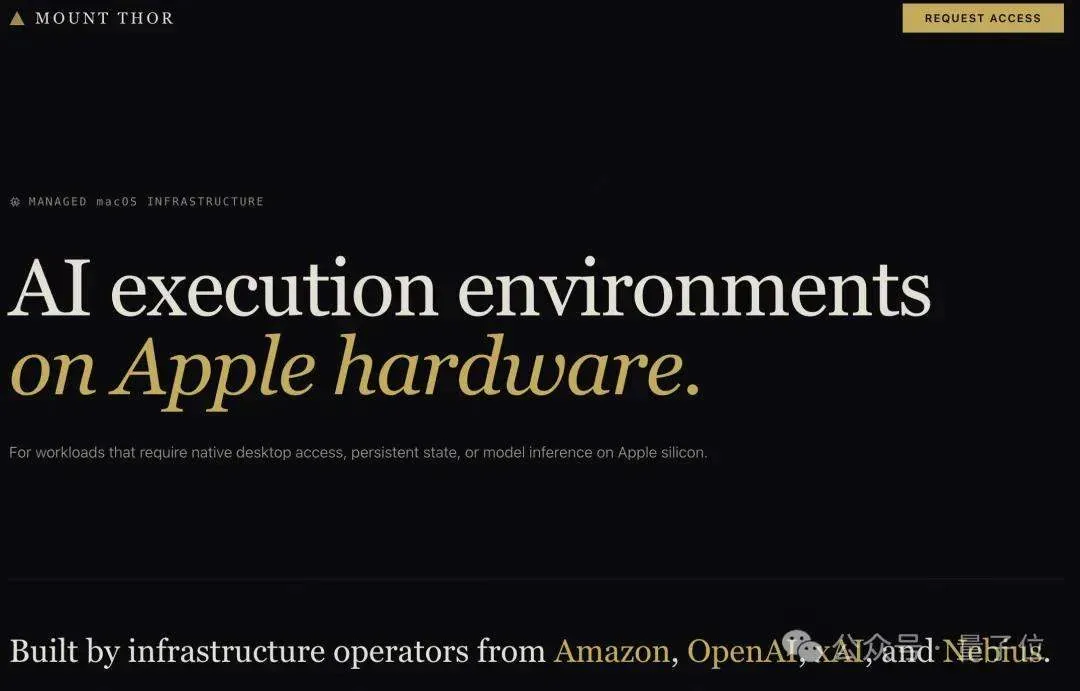
Challenges remain, however. AI data centers' enormous demand for memory chips has triggered an industry-wide shortage, and Apple has not been spared: high-end configs of Mac mini and Mac Studio have been out of stock for months, prompting some enterprises to explore alternatives. Structural tightness in compute supply remains a shared bottleneck for all players in the near term.
Reinforcement learning, as a critical pathway to more capable intelligence, is driving the emergence of diverse compute solutions. For industry practitioners, the takeaway is clear: rather than betting on any single hardware narrative, focus on the efficiency of matching workloads with architectures—that is the essence of the compute race.