
Tencent today unveiled Hunyuan Hy4 preview, a large language model armed with 770B total parameters, 49B active parameters, and a 1M-token context window, with optimization priorities squarely placed on Agent, Coding, and productivity scenarios. Compared with the previous generation, it delivers marked gains across multi-step agent reasoning, code development, and productivity tasks, with notable improvements in task decomposition, context continuity, instruction following, and long-horizon execution. The model has been open-sourced and is now live across Tencent's product ecosystem, including WorkBuddy, CodeBuddy, Yuanbao, and ima.
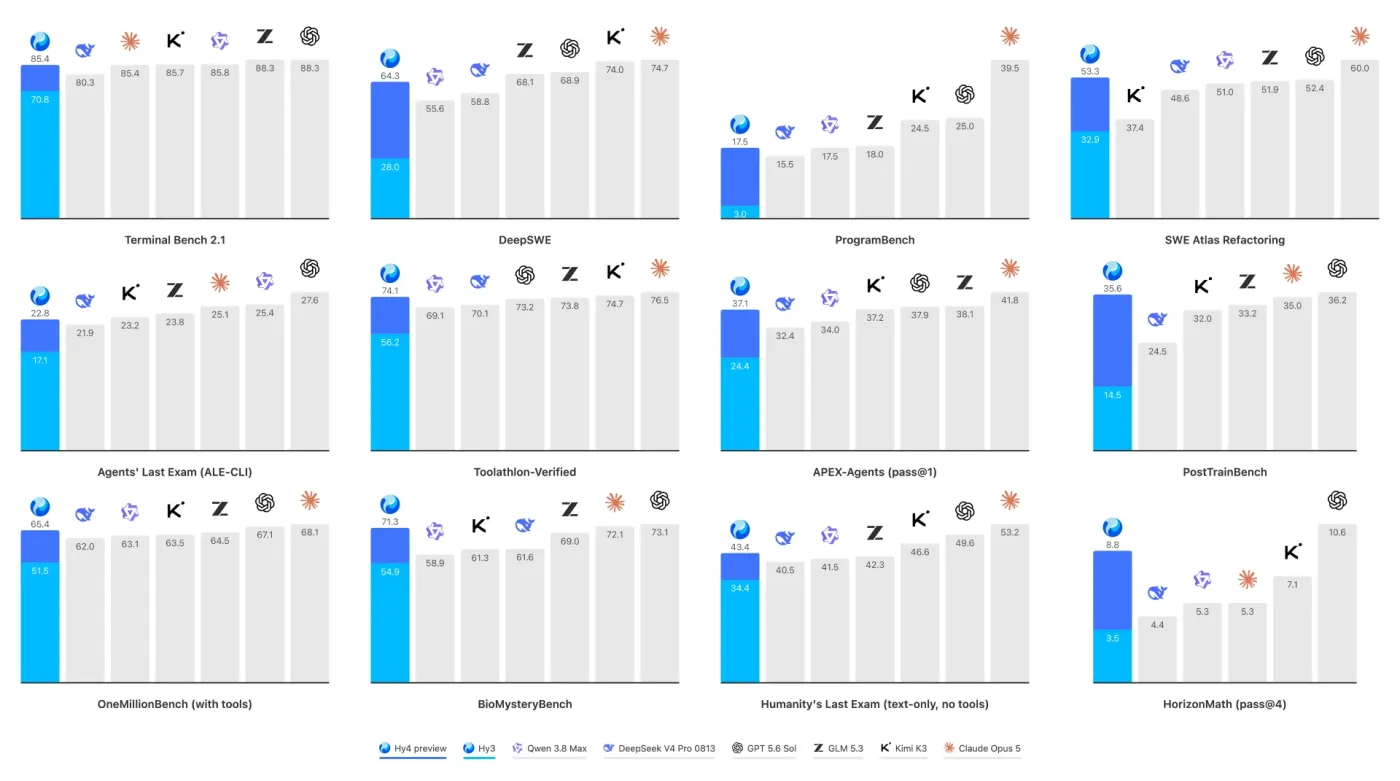
What sets Hy4 preview apart is that it participates in its own full R&D pipeline for the first time—spanning training methodologies, data strategies, evaluation frameworks, and even low-level operator auto-optimization. The model proposes solutions, runs experiments, and iterates based on results; the code, logs, and feedback generated from each experiment feed into the next exploration round, forming a preliminary recursive self-improvement loop. By autonomously analyzing inference system bottlenecks and iterating on operator fusion and communication optimization across multiple rounds, Hy4 preview achieves an end-to-end throughput gain of 31.8% over baseline.
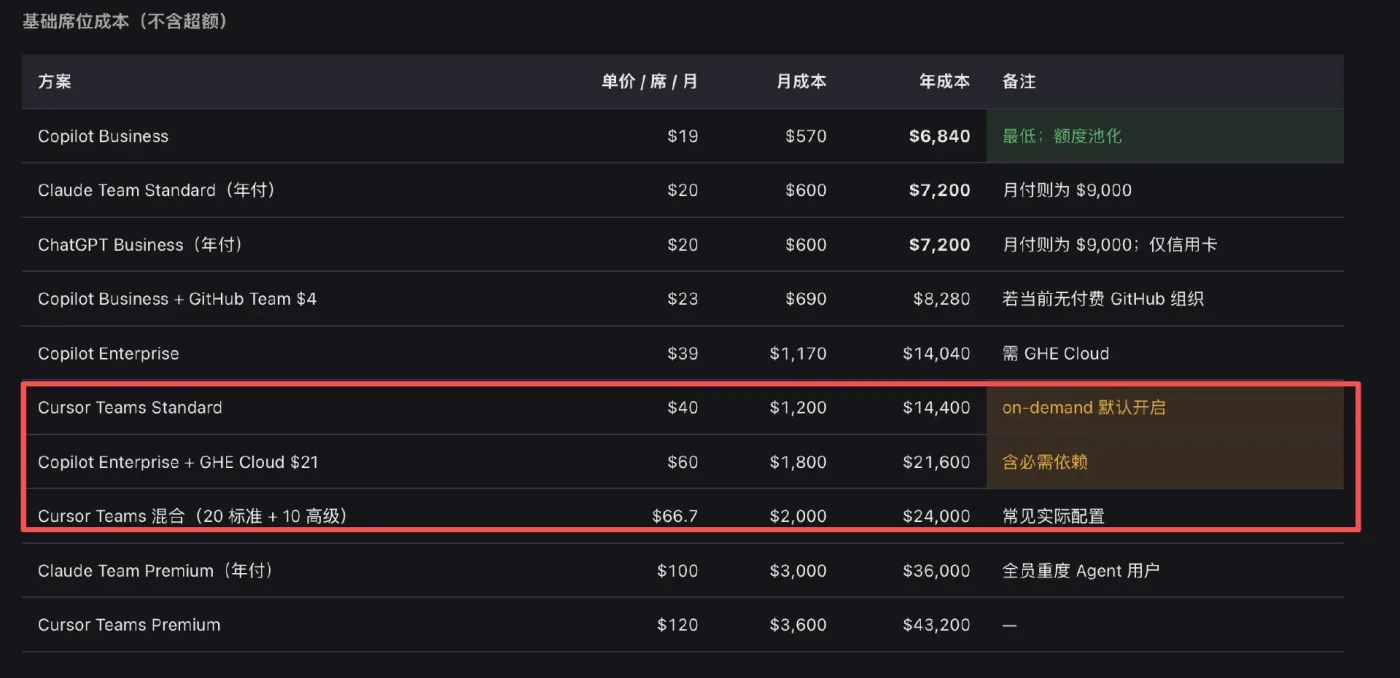
On pricing, Hy4 preview stays the course of accessibility: input tokens are priced at 6 yuan per million, output at 18 yuan per million, and cache hits are as low as 0.3 yuan per million. WorkBuddy and CodeBuddy users get a two-week free trial. From open-source release to aggressive pricing to tight integration with agent products, Tencent's playbook is clear: push the model into as many real-world business scenarios as possible, and let usage volume fuel capability evolution.
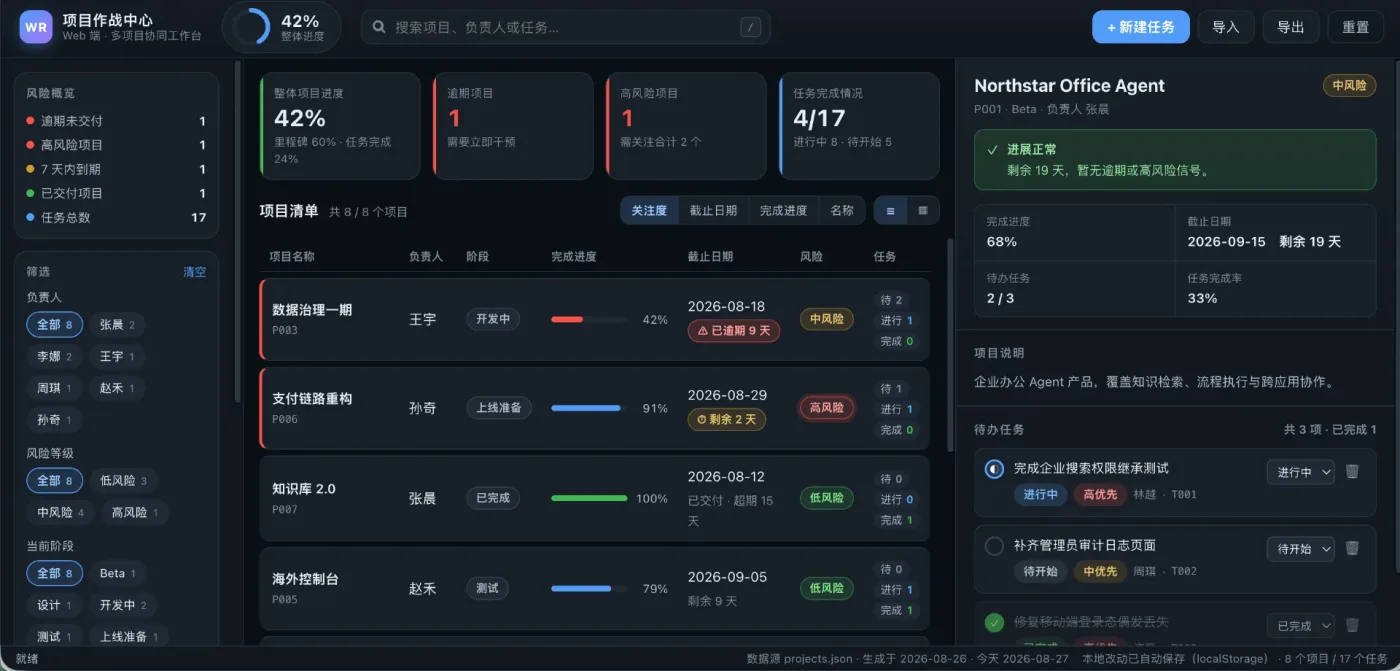
In hands-on testing, Hy4 preview within WorkBuddy already demonstrates an ability to "see a task through to completion"—autonomously decomposing workstreams, calling tools, and delivering results. However, key decision points still require human oversight, exposing what is commonly described as the "last-mile" problem. This reflects the broader state of today's agent products: while autonomous collaboration is advancing rapidly, human review and guardrails remain essential at this stage.
An increasingly clear trend is emerging: the center of gravity in LLM competition is shifting from parameter scale to engineering capability. Whether a model can optimize itself, execute tasks reliably in real business environments, and be smoothly delivered to developers through APIs and agent workbenches is now the decisive differentiator. This aligns closely with StarWar Cloud's strategic positioning in its large model API marketplace and agent collaboration platform—models only translate into enterprise productivity when they enter an ecosystem where they can be orchestrated and invoked.
For developers, the open-source release and low-cost access to Hy4 preview add another high-value option to the toolkit. For enterprises, the 1M-token context and agent-focused optimizations make long-document processing and complex workflow automation far more practical than before. Ultimately, competition in the open-source ecosystem will be won by whoever gets integrated into more real business operations.
The open-source launch of Hunyuan Hy4 preview moves "model self-evolution" from concept to production-ready state. When a model begins to participate in training and optimizing its own successor, the competitive logic of the large model era has, in a very real sense, changed.