
U.S. legal AI unicorn Harvey this week released Tenet, its first self-developed model — and notably, its foundation is not OpenAI or Anthropic but Kimi K3, the open-source model from Chinese AI company Moonshot AI. This marks the first time a Chinese open-weight model has entered the training system of a top-tier U.S. vertical AI company, breaking the long-held assumption that leading AI applications must be built on American closed-source models.
Harvey's previous business model was heavily dependent on third-party models: all AI capabilities came from OpenAI and Anthropic, with usage-based fees paid to model vendors, causing costs to scale linearly with demand. As a vertical leader valued at roughly $11 billion and serving more than 2,400 institutions and over 200,000 lawyers, building its own legal model family and taking control of its cost structure was almost inevitable.
The choice of Kimi K3 was no accident. On Harvey's self-built legal evaluation benchmark, Harvey LAB-AA, Kimi K3 topped the leaderboard with a 94.6% criteria pass rate, outperforming several closed-source flagship models. At the same time, Harvey recruited practicing lawyers through its platform to construct simulated disputes and virtual case files at scale, and used synthetic data to conduct end-to-end legal reasoning post-training on Kimi K3. This approach teaches the model to follow the real thinking logic of lawyers rather than simply memorizing legal provisions.
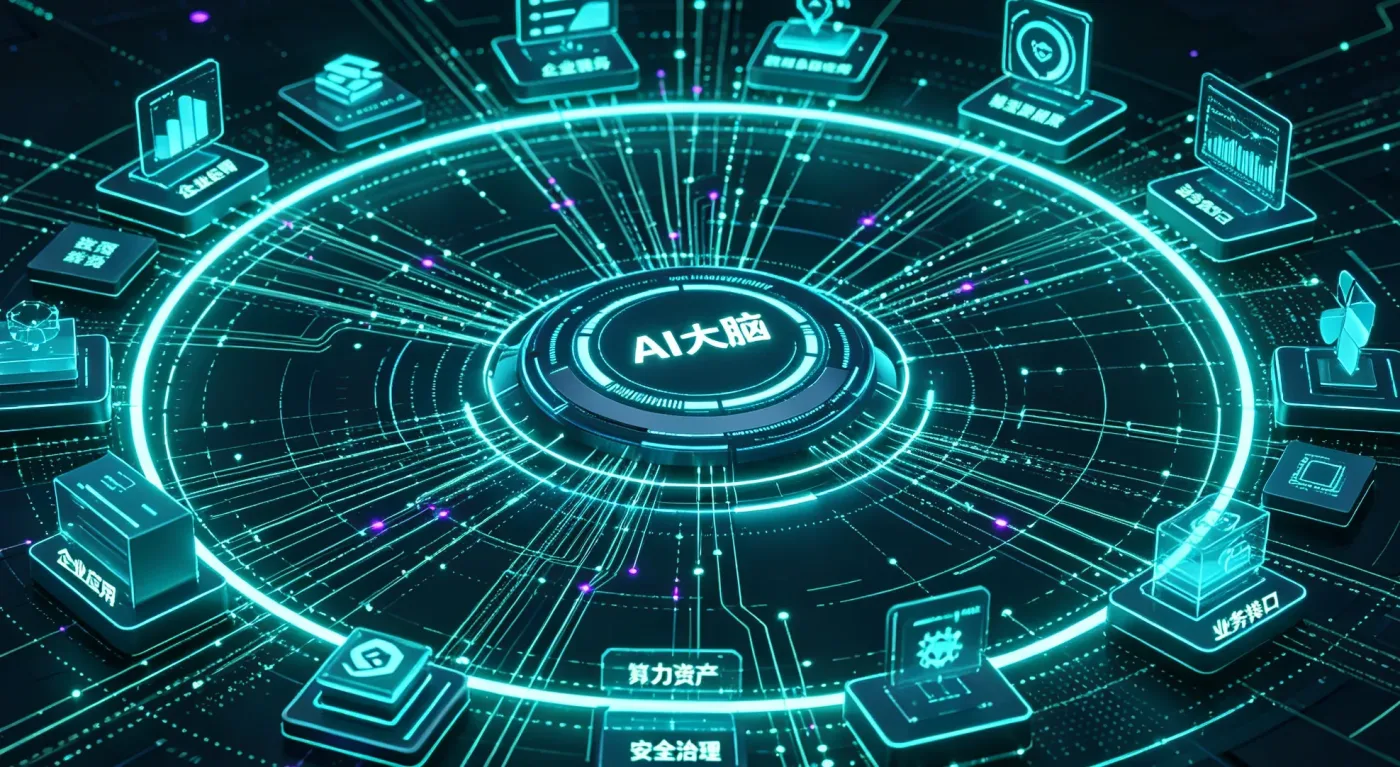
The deeper ambition lies in "model as infrastructure." Tenet is designed as a foundation model, enabling every law firm to train its own proprietary models on top of it using internal business data, thereby building differentiated legal knowledge assets. Harvey is transforming from an AI tool company into an AI legal infrastructure provider — a sharp contrast to the previous paradigm in which vertical applications merely wrapped around existing model APIs.
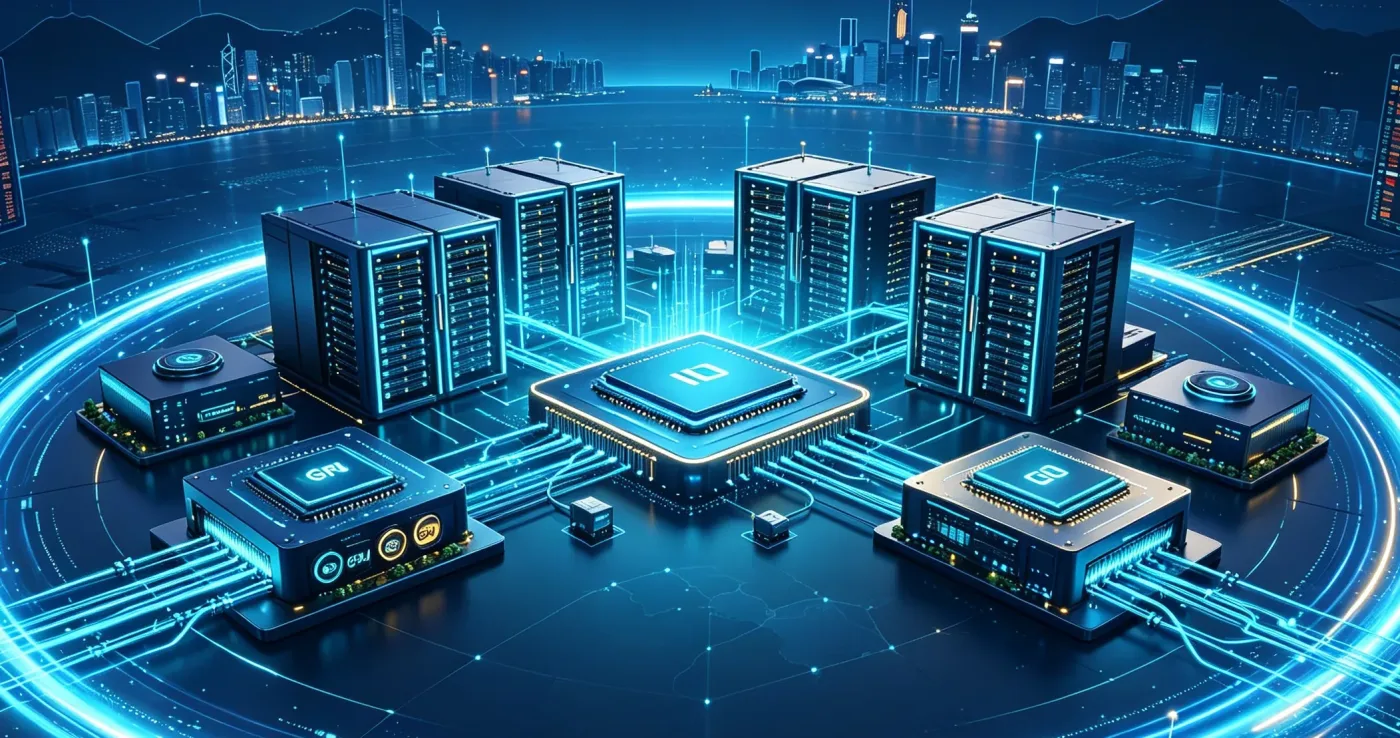
The adoption of open-weight models by leading vertical enterprises means that the computing power and engineering demands of enterprise AI deployment are rising in parallel. From post-training and evaluation to private fine-tuning and continuous operations, stable GPU compute and unified scheduling are essential. This direction aligns closely with the philosophy of StarWar Cloud, which focuses on GPU compute platforms and compute orchestration, delivering unified scheduling and resource management for training and inference tasks to help vertical industries translate the open dividend of open-source models into deployable business systems.
From an industry trend perspective, with OpenAI, Anthropic, and Google all entering the legal AI race, Harvey's decision to sidestep any U.S. frontier model vendor in favor of a Chinese open-source foundation is both a cost decision and a signal of technology democratization. Trust in open-weight models is steadily rising across vertical industries, and the country-based barriers in model selection are beginning to loosen.
Harvey training Tenet on Kimi K3 offers a new paradigm for the vertical AI sector: rather than remaining tied to closed-source vendors with pay-per-use pricing, enterprises can conduct deep post-training on open-source foundations and retain both model capabilities and cost structures in their own hands. In the coming period, more vertical-sector "Harveys" are expected to follow the same path.