
Information disclosed at the 2026 Science Intelligence Conference shows that the National Supercomputing Internet platform's Agent Co-Creation Plan has brought on board nearly 100 developers, with over 500 industry-specific AI agents already connected to the platform. Behind these figures lies a rapidly strengthening bond between the national-scale computing power infrastructure and the AI agent ecosystem.
One of the most prominent challenges hindering large-scale agent deployment is verification. AI-generated content and conclusions often lack reliable means of real-world validation, and model outputs based purely on probabilistic inference are difficult to fully trust. Scientific computing scenarios, however, place extremely high demands on accuracy and verifiability. The simulation and validation capabilities provided by supercomputing power are uniquely positioned to serve as the arbiter of AI agent outputs—checking and confirming what the models propose.
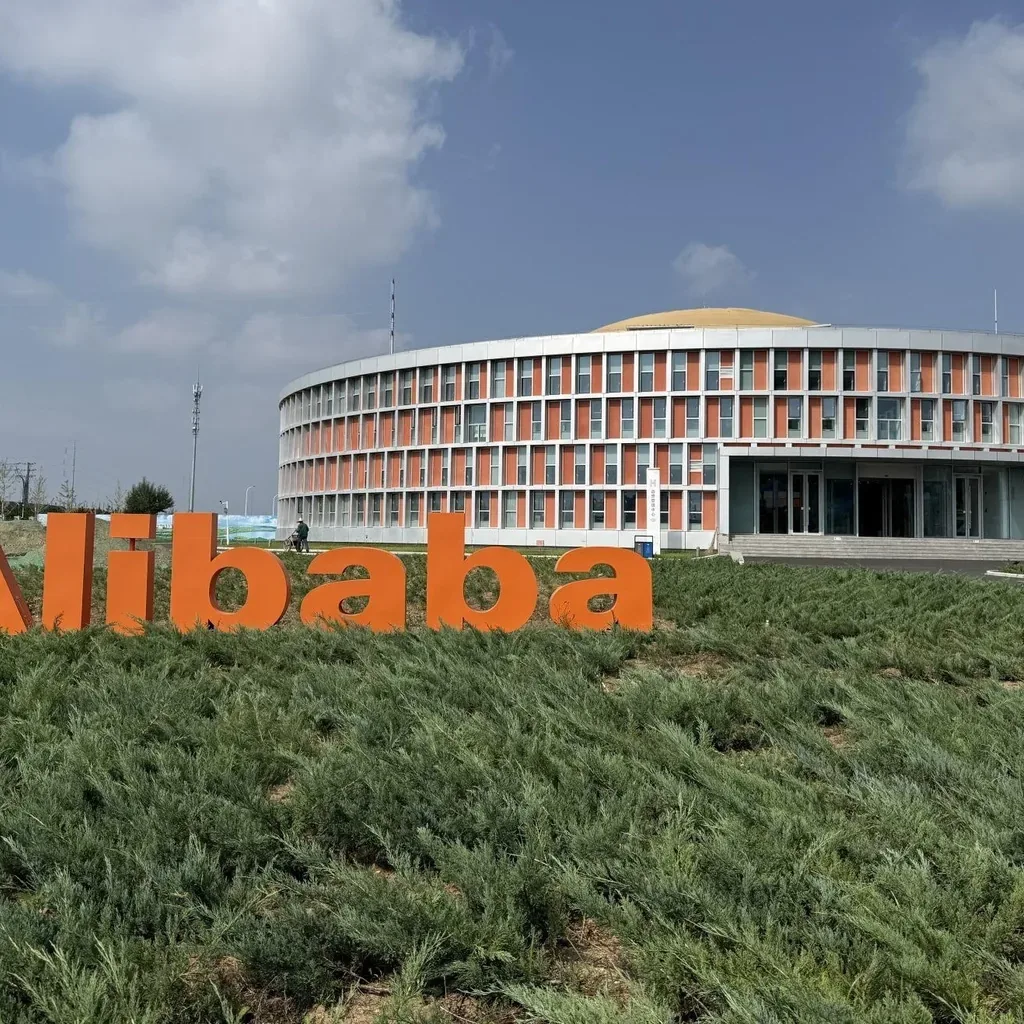
From a structural perspective, the Agent Co-Creation Plan binds compute resources to a thriving ecosystem. Developers contribute domain expertise and agent applications, the platform supplies the computing power backbone and verification capabilities, and industry users receive validated, production-ready services. This platform-based collaborative model is increasingly becoming the pathway through which AI agents evolve from standalone tools into industrial-grade infrastructure.
Of course, the integration of hundreds of industry agents is only the starting point. The operational quality of agents, their ability to migrate across industries, and the rational allocation of computing resources remain ongoing challenges for platform operators. No matter how powerful the computing foundation is, if scheduling is inefficient or the ecosystem lacks vitality, the platform's long-term value will be significantly diminished.
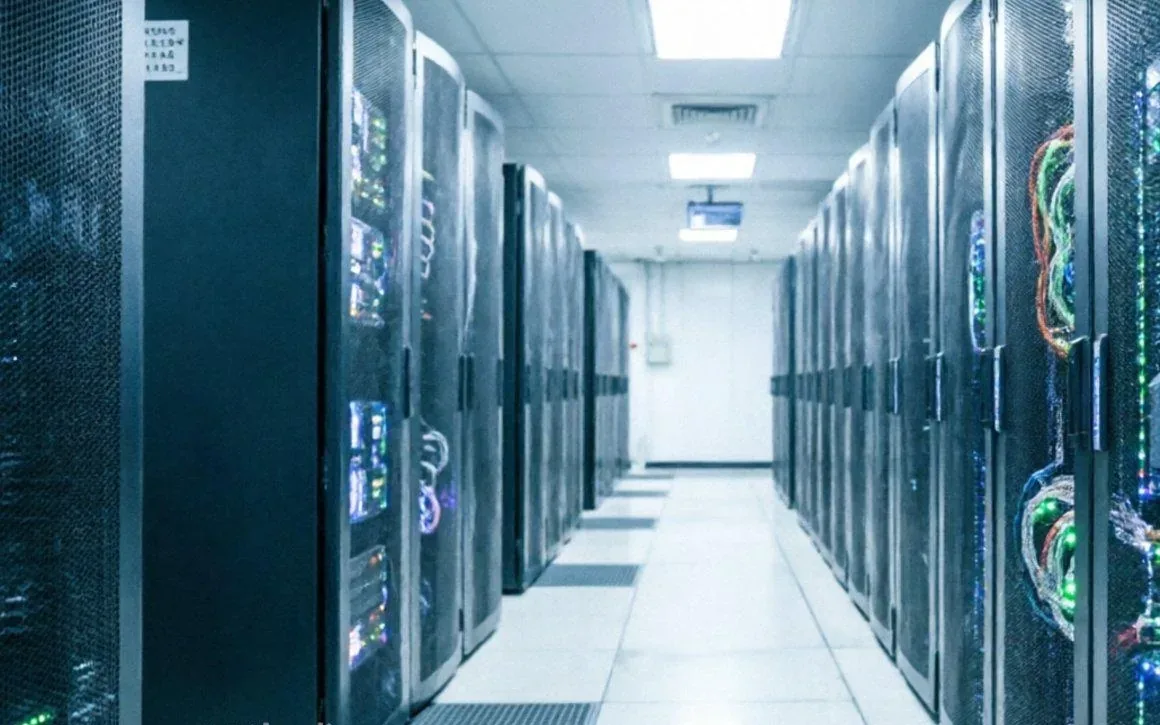
The efficiency of computing power scheduling, in fact, determines the ceiling of what an agent platform can support. StarWar Cloud focuses on GPU computing platforms and intelligent scheduling capabilities, providing unified resource management and task orchestration for multi-agent workloads. This enables computing power to be dynamically matched to the operational demands of different industry agents—an approach closely aligned with the collaborative philosophy of the National Supercomputing Internet platform.
From an industry-wide perspective, opening up supercomputing platforms to AI agents signals that computing infrastructure is shifting from research-exclusive use to shared industrial resources. As more industry agents run on a unified computing power foundation, cross-industry data collaboration and standardized verification protocols are expected to gradually take shape—a development that will fundamentally reshape how AI services are delivered across sectors.
The platform-based ecological collaboration of AI agents requires positive and sustained interaction among three elements: computing power, verification, and developers. The National Supercomputing Internet's ongoing exploration is providing a reference model for how this synergy can be achieved at scale.