
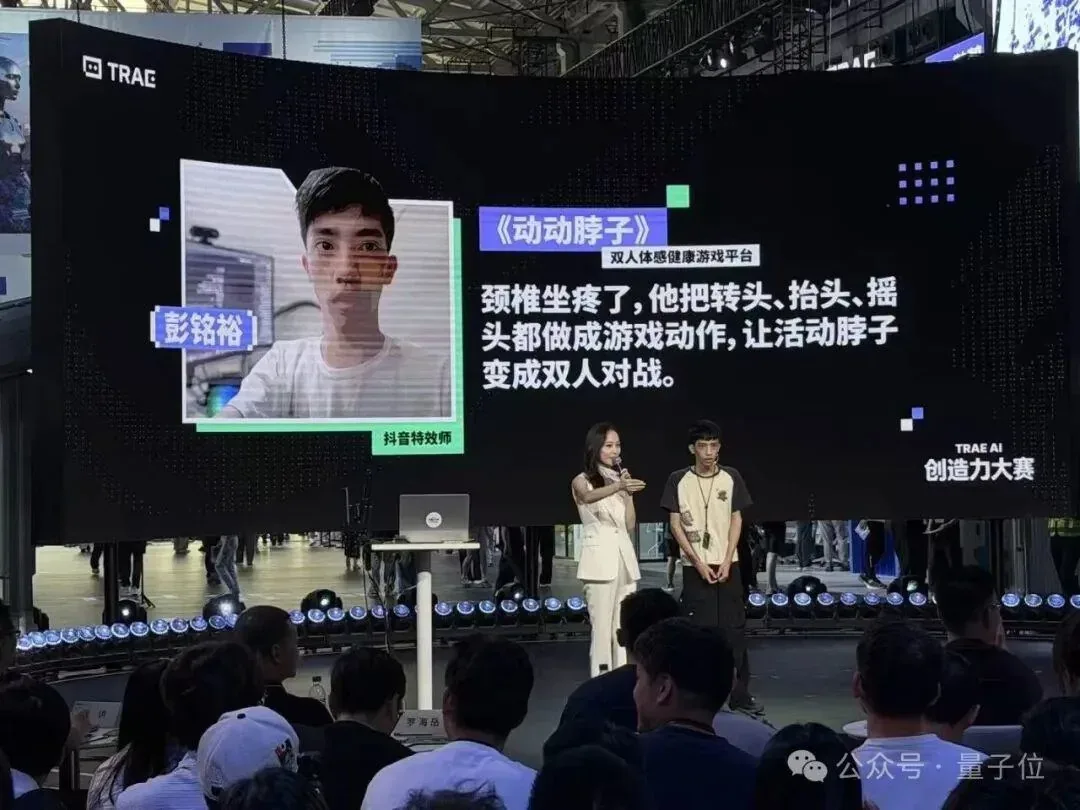
This year’s TRAE AI Creativity Conference produced plenty of unexpected stories. Peng Mingyu, 24, previously worked as a security guard, yet beat tens of thousands of entrants with a motion-sensing mini-game that uses the nose as a racket to reach the national Top 20. In his own words: “I’m basically illiterate, I can’t speak a single sentence of English, but even with zero foundation and working alone, I still built it in two months.”
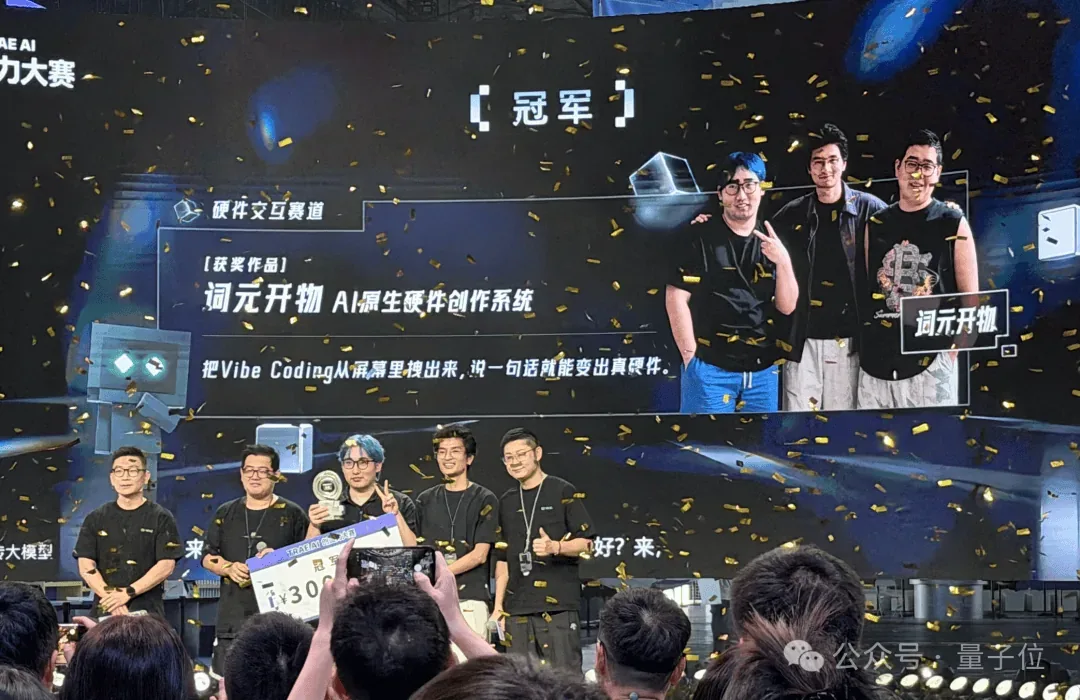
The conference drew 37,000 registrations and selected a Top 20 from 14,000 works, ultimately awarding several major prizes. The 250,000-yuan grand prize went to a team of three high school students. They built an AI hardware IDE that works with a desktop PCB engraving machine: a user only needs to say, “Make me a music keyboard,” and the AI automatically generates the design, code, and fabrication files, then engraves the circuit board directly.
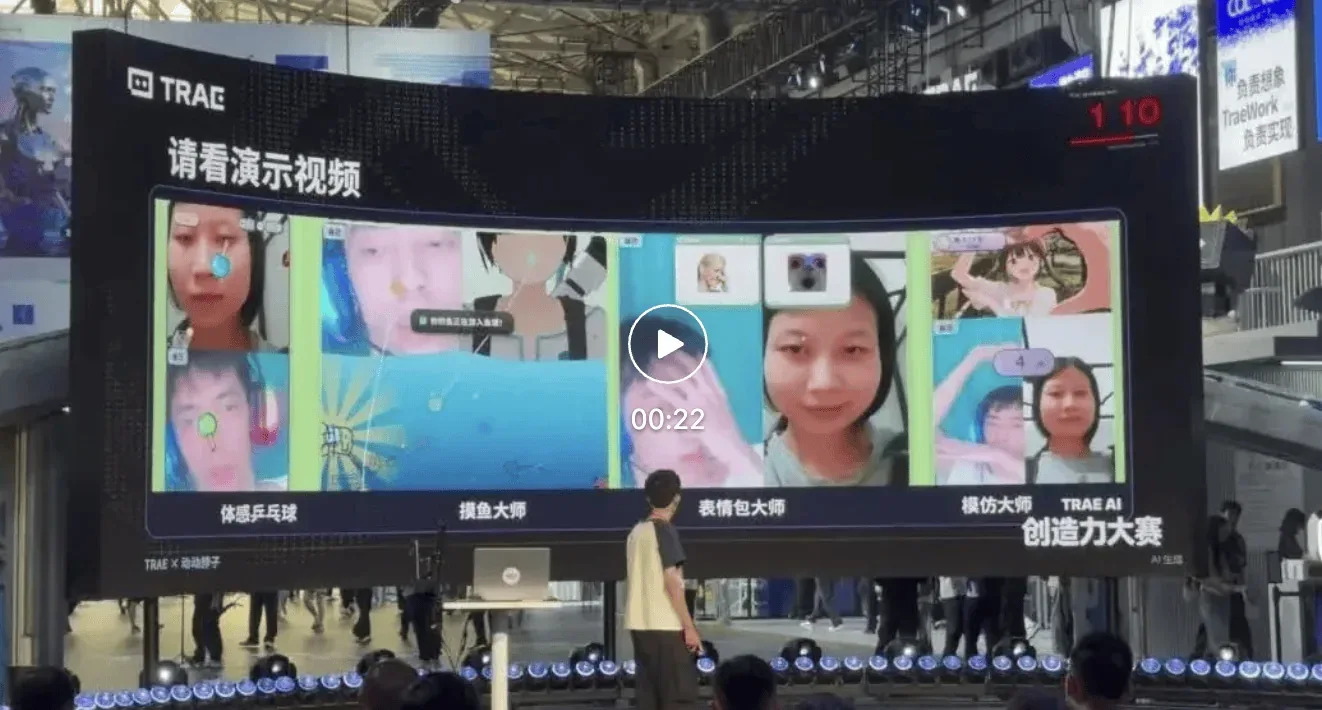
Behind these stories is a sharp drop in the barrier to AI creation. In the past, building an app or hardware required years of programming training; today, natural-language expression plus AI assistance can complete the entire chain from requirement confirmation to product delivery. The conference not only embodies “creation for everyone” but also showcases AI that is technical, capable, and warm. Creation is shifting from a patent of professional engineers to an everyday capability for ordinary people.
It is worth noting that the competition also exposed the complexity of real engineering. During the semifinal stage, the winning team handed their product directly to real users and found that some could not choose a development board, some could run simulations but could not connect the physical hardware, and some saw the compilation environment crash when switching computers. They then focused relentlessly on making AI-generated answers truly manufacturable. After continuous high-intensity development and 361 Git commits, they finally got the whole workflow running.
This shows that AI lowers the starting point of creation, not the complexity of engineering. To help ordinary people truly move from idea to product, a mature toolchain and training system are still needed: teaching users how to express requirements, how to validate AI output, and how to handle failure. That is the value of AI training—distilling the methodology of using AI into learnable, reusable capabilities.
When creation tools are combined with AI training platforms, ordinary people can also use agents to complete professional-level work. StarWar Technology’s continued investment in AI training platforms aims to help more people master the methods of collaborating with AI—from zero-foundation entry to advanced engineering practice—turning “creation for everyone” from a slogan into a verifiable, sustainable capability.
Against broader AI industry trends—advances in large language models, AI chips, computing power, and cloud infrastructure—the era of creation for everyone is arriving, but it will not happen automatically. It requires better tools, lower barriers, and more systematic training. Whoever can turn AI capability into everyday productivity on this path will hold the user gateway for the next decade.