
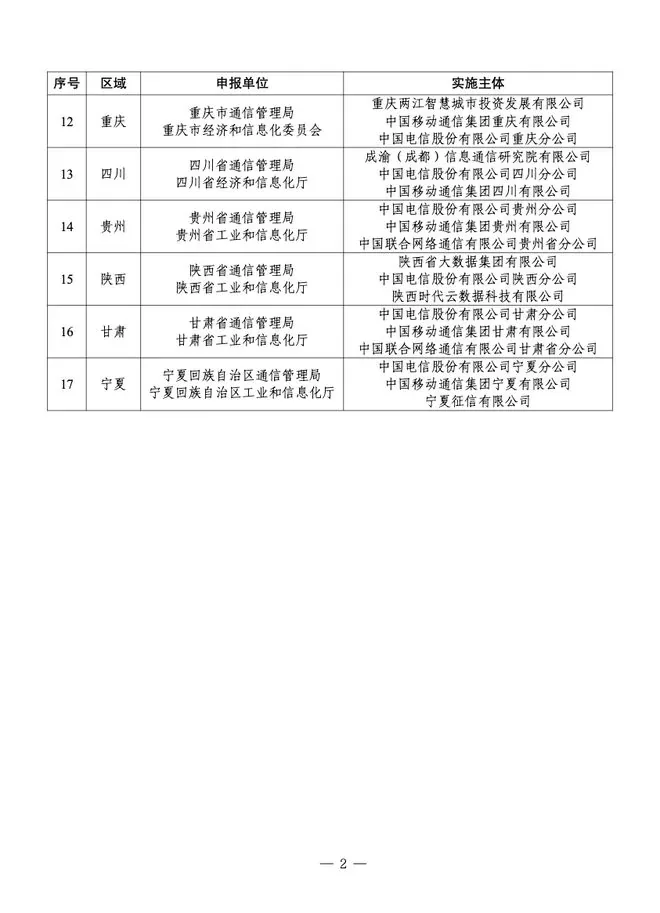
MIIT has formally published the regional node construction list for national computing power interconnection, incorporating a batch of regional nodes into the construction and operation framework of the nationwide integrated computing network. This marks a pivotal transition in how China's computing resources are organized—from locally built data centers with independent scheduling to a "one network" model featuring cross-region coordination and nation-level unified planning.
Over the past few years, data centers have been deployed intensively across the country, significantly boosting total computing power supply. Yet the problem of "built a lot, used dispersedly" has persisted. Computing resources between different regions and different vendors remain isolated from one another. Enterprises seeking high-quality computing power close to their operations often have to reapply across regional boundaries. Idle resources coexist with mismatched demand, and the real utilization efficiency of computing power lags far behind its nominal capacity.
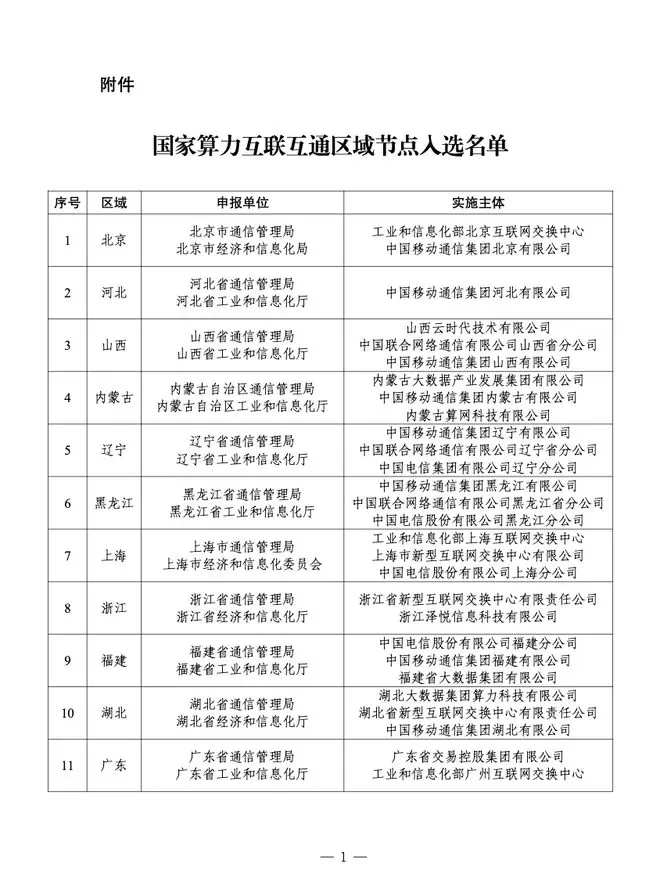
The establishment of interconnection regional nodes is precisely intended to break through this bottleneck. By unifying interfaces and scheduling standards, scattered computing pools can be connected, allowing computing power to flow on demand just like electricity. For the industry, this means a new set of rules is taking shape: those who can efficiently orchestrate node resources will seize the initiative in the computing power supply market. Scheduling capability, rather than sheer resource volume, is becoming the new battleground.
While the concept of interconnection sounds straightforward, its implementation faces considerable real-world challenges. Network latency between regional nodes, interface protocols, billing and settlement mechanisms, and even local differences in power supply and policy all affect practical scheduling outcomes. Releasing the node list is only the starting point. The real test lies in whether subsequent operations and scheduling can truly deliver—ensuring computing power is "connectable, dispatchable, and cost-effective"—so that interconnection does not become mere formality.
At the heart of computing power interconnection lies scheduling capability. StarWar Cloud has long focused on GPU computing platforms and computing power scheduling orchestration, committed to helping enterprises access and allocate heterogeneous computing resources with lower barriers. This aligns directly with the "on-demand scheduling, elastic supply" direction of the nationwide integrated computing network. Platform-level scheduling capability is the critical link that transforms a node list into real productivity.
For end users, the immediate benefits of computing power interconnection are more choices and potentially lower costs. Enterprises are no longer locked into a single data center or cloud vendor; they can flexibly select computing power sources across nodes based on pricing, latency, and compliance requirements. This market-driven, networked supply model will push computing power operators to improve service quality and scheduling efficiency, while subjecting computing power pricing to more robust market competition.
Computing power interconnection represents a significant step toward maturity for the computing industry. As node construction progresses and scheduling standards are unified, the "water, electricity, gas, and heating" vision for computing power will no longer be just a concept. For industry practitioners, rather than agonizing over total resource volume, the smarter move is to focus on how to use computing power better and schedule it more precisely—winning the next phase of competition through orchestration efficiency.