
Just two years ago, companies building AI toys had to wire together hardware components — main control units, microphones, and networking — with software services such as ASR, large language models, and TTS on their own. That technical complexity kept most traditional manufacturers on the sidelines. Today, a plug-and-play AI module paired with a companion development platform lets users go from zero code to a talking device in minutes — no programming required, just pick a model, choose a voice, and define a character.
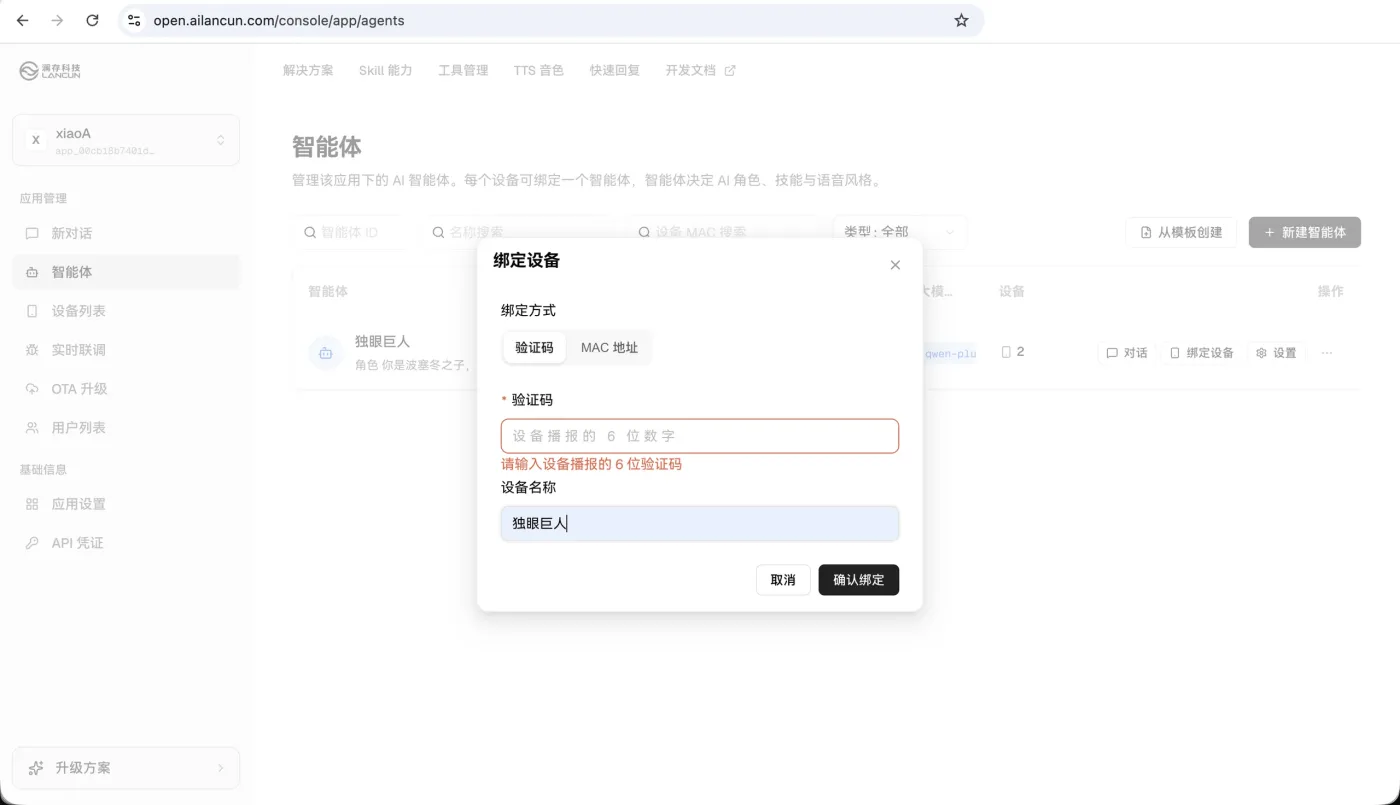
The module behind this shift comes from Lancun Technology, founded in 2025. Its core offering combines a standardized AI module and an intelligent platform: the former integrates voice, networking, and multiple hardware interfaces, while the latter handles configuration of models, agents, voice tones, character settings, memory, and Skills. According to the company, users without a programming background can build a functional online AI agent within five minutes and have hardware conversing and performing expression control within half an hour.
At its core, this modular approach packages the entire development pipeline that developers once had to assemble themselves into standardized components. The module is built on mature main control chips and integrates processing, connectivity, voice, and hardware interfaces, while the development platform comes pre-loaded with model, MCP, and Skill configurations. The barrier to AI hardware development is collapsing from full-stack engineering to plug-and-play configuration — much like how development boards once democratized embedded systems engineering.
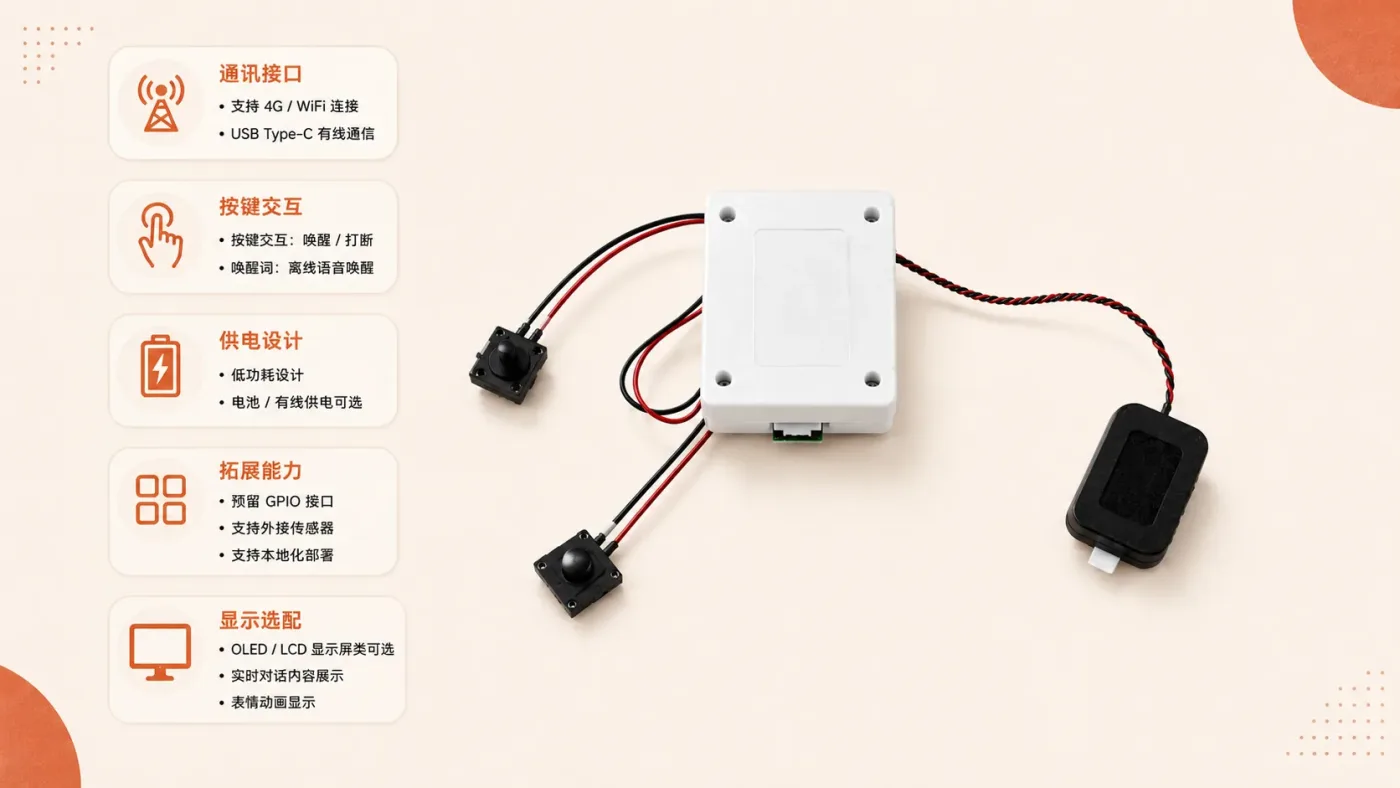
A notable trend is that AI hardware customers are rapidly expanding beyond toys. Consumer electronics, smart home devices, wearables, and robotics are all entering the space. When configuring an AI agent becomes simple enough that hardware makers and IP holders don't need to understand large language models to embed AI into their products, the industry's division of labor is redrawn: models and computing power go to the platform; creativity and hardware stay with the manufacturers.
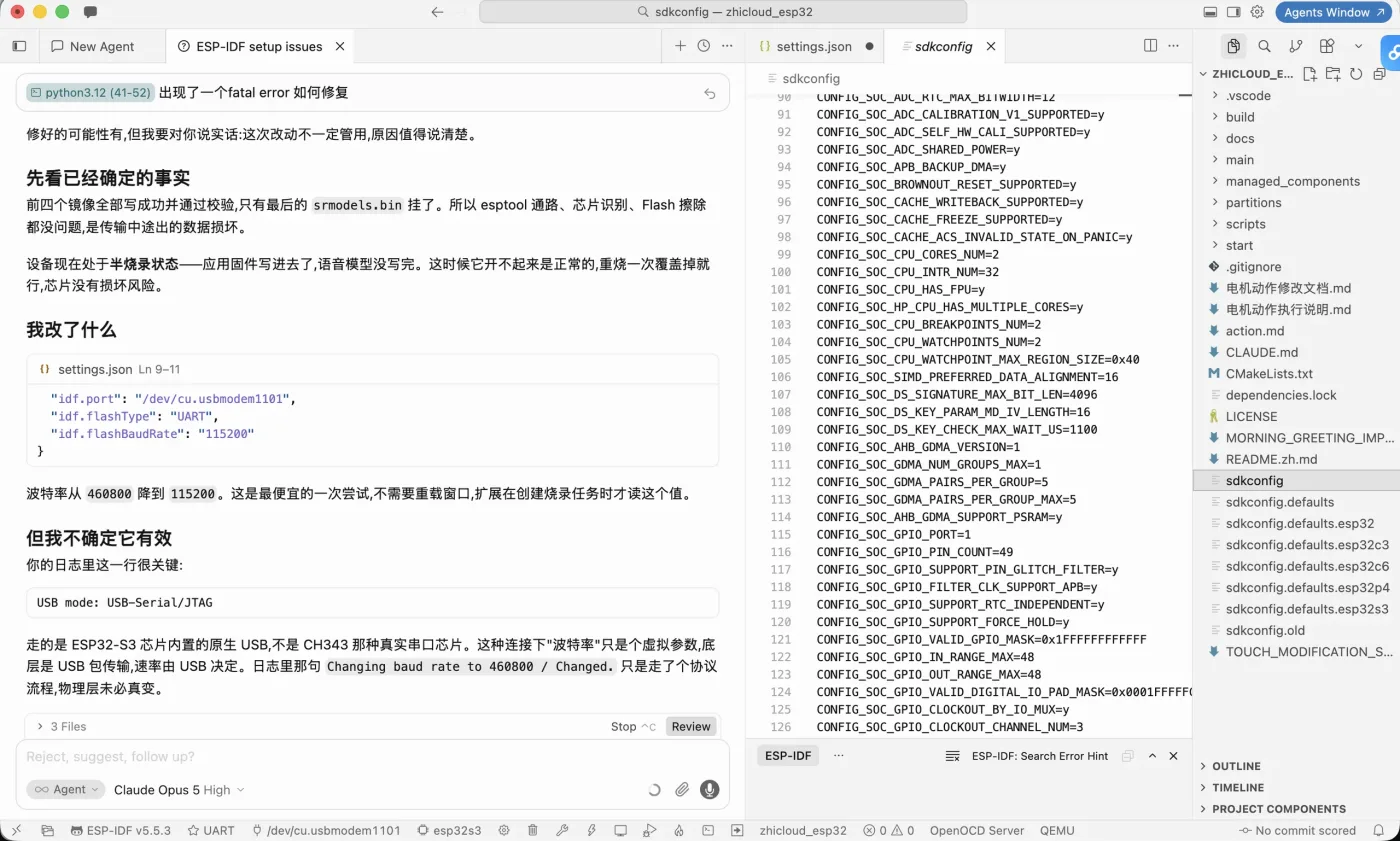
Behind this modular boom lies a hidden dependence on models, computing power, and toolchains. Agent capabilities are driven by cloud-based large language model calls — and the simpler the configuration, the more model adaptation, compute supply, and stability assurance the platform must shoulder. This aligns with StarWar Cloud's parallel push into large language model API marketplaces and AI hands-on training. As more non-technical users begin building agents, low-barrier model access and practical training support will become the foundational infrastructure for ecosystem growth.
Of course, modularization also carries the risk of homogeneous competition. When everyone can make a talking doll in five minutes, differentiation shifts from "being able to build it" to "building it better" — voice character, personality, memory, and scenario-specific Skill design become the new competitive frontier. The real moat lies in the platform's model capabilities and ecosystem richness.