
After AI agents demonstrated the ability to "block fraudulent transfers" in the online world, Anthropic has taken a significant step forward by formally releasing MHS, or the Model Hardware Standard. This hardware-oriented driver and device description standard is being called the "MCP of the physical world" by industry observers. It unifies how different vendors' hardware is controlled, converting disparate systems into a consistent interface that agents can discover, read, and invoke.
The core significance of MHS is that it breaks the traditional binding between AI agents and specific hardware. In the past, embodied intelligence relied heavily on a "one robot, one policy" approach, requiring pre-trained strategies, teleoperation, or human demonstrations. With MHS, however, any hardware with a software control layer that supports the standard can be temporarily commanded by the same agent—whether it's a camera, a robotic arm, a microscope, or even precision laboratory equipment. This creates what experts call "distributed embodiment."
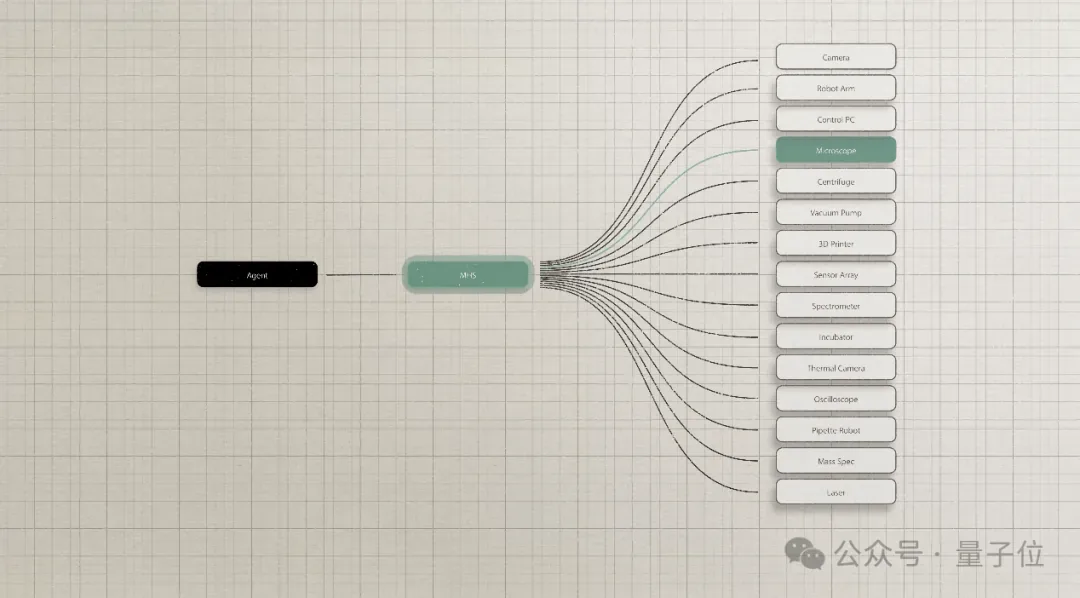
In official demonstrations, Claude running with MHS was able to directly control low-cost robotic arms from the Hugging Face LeRobot ecosystem. Without any pre-trained policy, Claude measured its own workspace, performed calibration, and executed actions—even assisting with dry and wet lab experiments using precision instruments. The underlying technical philosophy is worth noting: rather than building a fixed body for AI, let all controllable hardware become a temporary "body" that AI can call upon on demand.
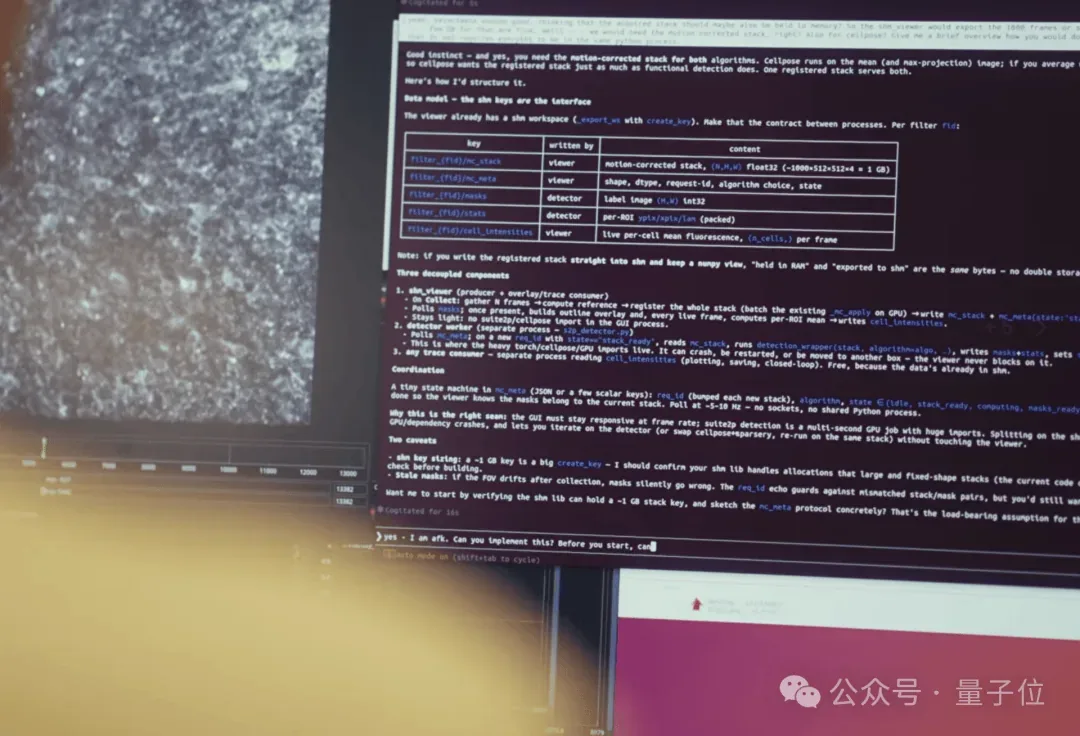
MHS actually originated from Anthropic's collaborative projects with research institutions. In laboratories, every device typically has its own software, drivers, and data formats. Engineers often spend weeks writing "glue code" just to make these systems work together. MHS changes that by providing a standard driver layer and an "instruction manual" that agents can understand, making each device's capabilities, status, actions, and safety boundaries queryable and callable.
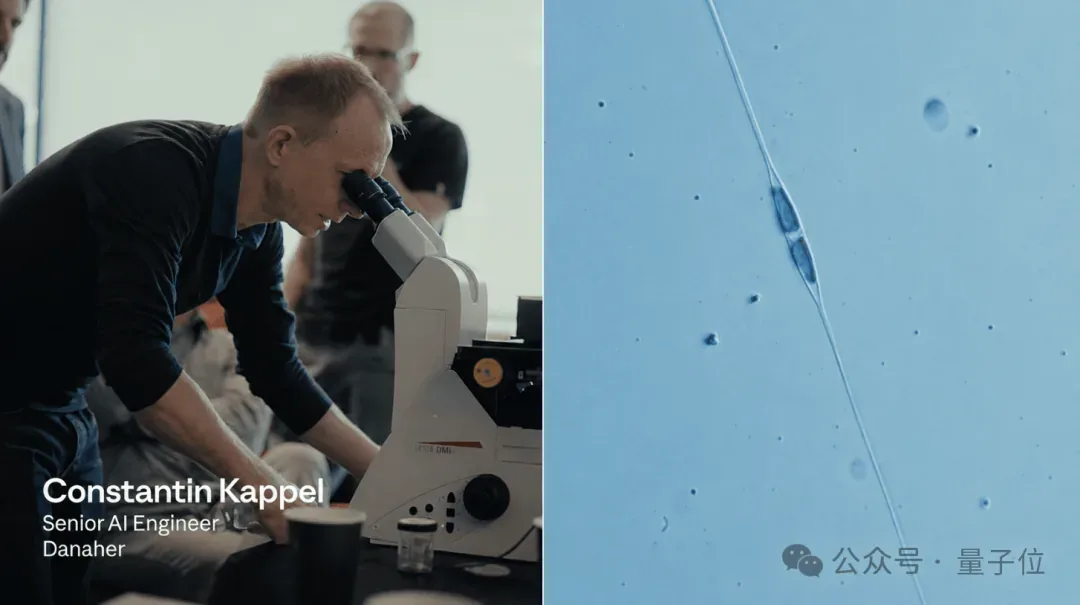
From MCP to MHS, a clear trend is emerging: interface standardization is the prerequisite for large-scale agent collaboration. MCP unified software, data sources, and tools, while MHS brings hardware into the same invocation language. The collaboration boundary for intelligent agents has now extended from inside the screen to the physical world. This aligns with StarWar Tech's ongoing development in large model API marketplaces and MCP ecosystem platforms—as calling standards continue to unify, computing power scheduling and agent collaboration platforms built around standard interfaces will gain far greater room to grow.
Of course, widespread adoption of MHS still faces considerable challenges. Will hardware vendors be willing to open their control layers? How will the standard be implemented across different devices and scenarios? And how should safety boundaries be defined? These questions remain unresolved. But the direction is clear: making AI interact with physical devices as effortlessly as it calls software tools is moving from science fiction to engineering reality.