
China Huaneng Group Chairman Wen Shugang and General Manager Zhong Guodong recently held talks with Huawei CEO Ren Zhengfei in Shenzhen. Ren said China has two important advantages for developing AI: electricity and telecommunications infrastructure. The two sides confirmed that they will deepen cooperation in AI, computing power, and computing-electricity synergy, leveraging their core strengths to strengthen joint technological innovation and scenario-based applications, and jointly support the high-quality development of new energy and the construction of a new-type power system.
This is not a routine corporate courtesy visit. Huaneng is a leading domestic power generator, while Huawei is a core player in computing infrastructure. Their handshake directly connects the “power generation” and “computing consumption” links. Over the past two years, AI computing centers have expanded rapidly from first-tier cities to western hubs, but computing power deployment quickly runs into a fundamental constraint: large-scale GPU clusters require extremely stable and abundant electricity supply, and energy costs are becoming an increasingly heavy burden on operating budgets.
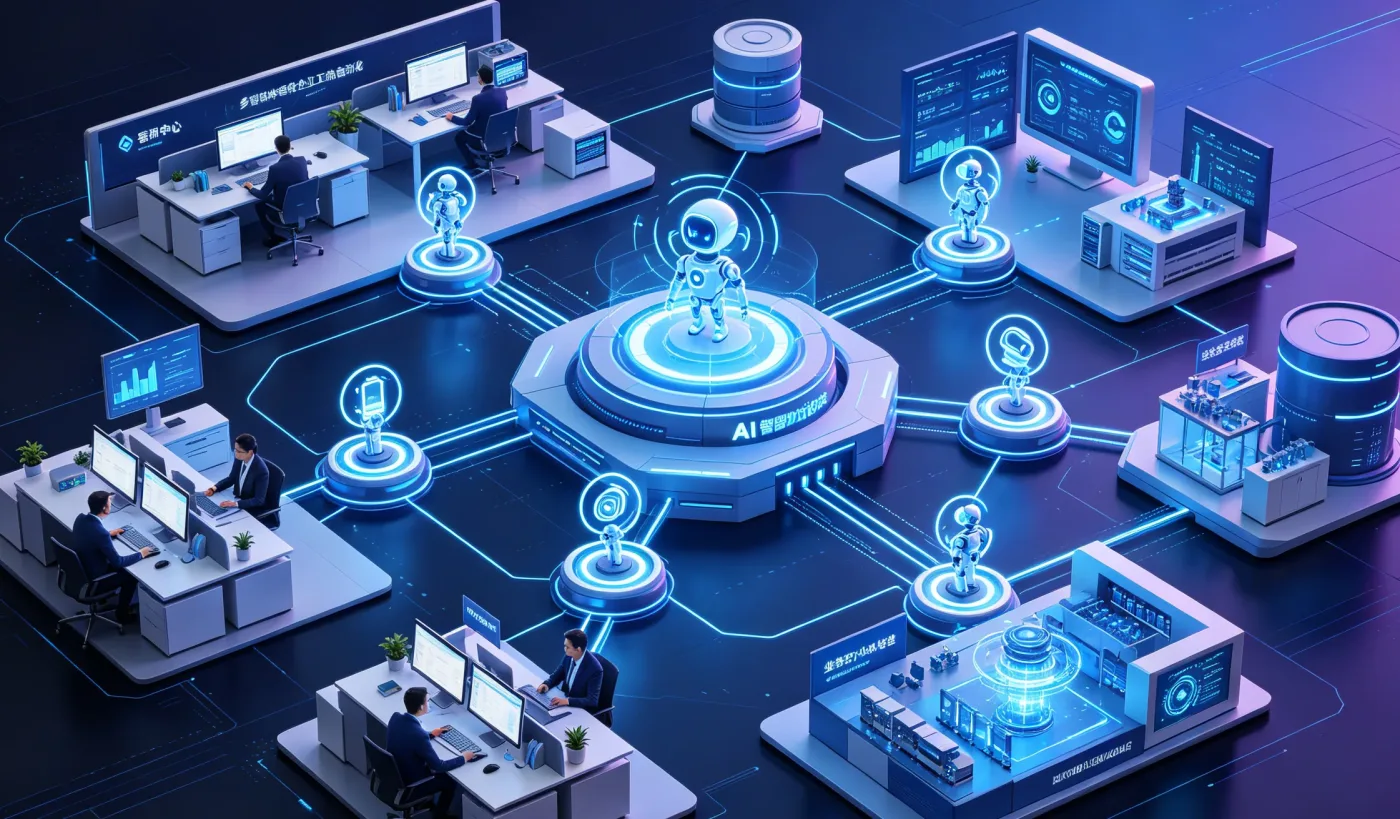
Industry consensus is shifting: the competitiveness of future AI computing centers will depend not only on how many GPUs are stacked, but also on power supply, energy consumption optimization, and green electricity support. The transition from “separate governance” to “computing-electricity synergy” means data centers are no longer just major power consumers. They must actively participate in power load dispatch, renewable energy consumption, and new-type power system development. The green attribute of computing power is becoming a new competitive dimension.
But making computing-electricity synergy work on the ground still hits engineering bottlenecks. Green power generation is volatile, and AI workloads also have peak loads. Matching the two requires sophisticated dispatching and energy storage. Meanwhile, site selection for AI computing centers has to balance electricity prices, renewable energy abundance, and network latency—constraints that often pull in different directions. For enterprises, green computing power is not a slogan; it demands unified management of power costs, carbon emissions, and computing scheduling in one system.
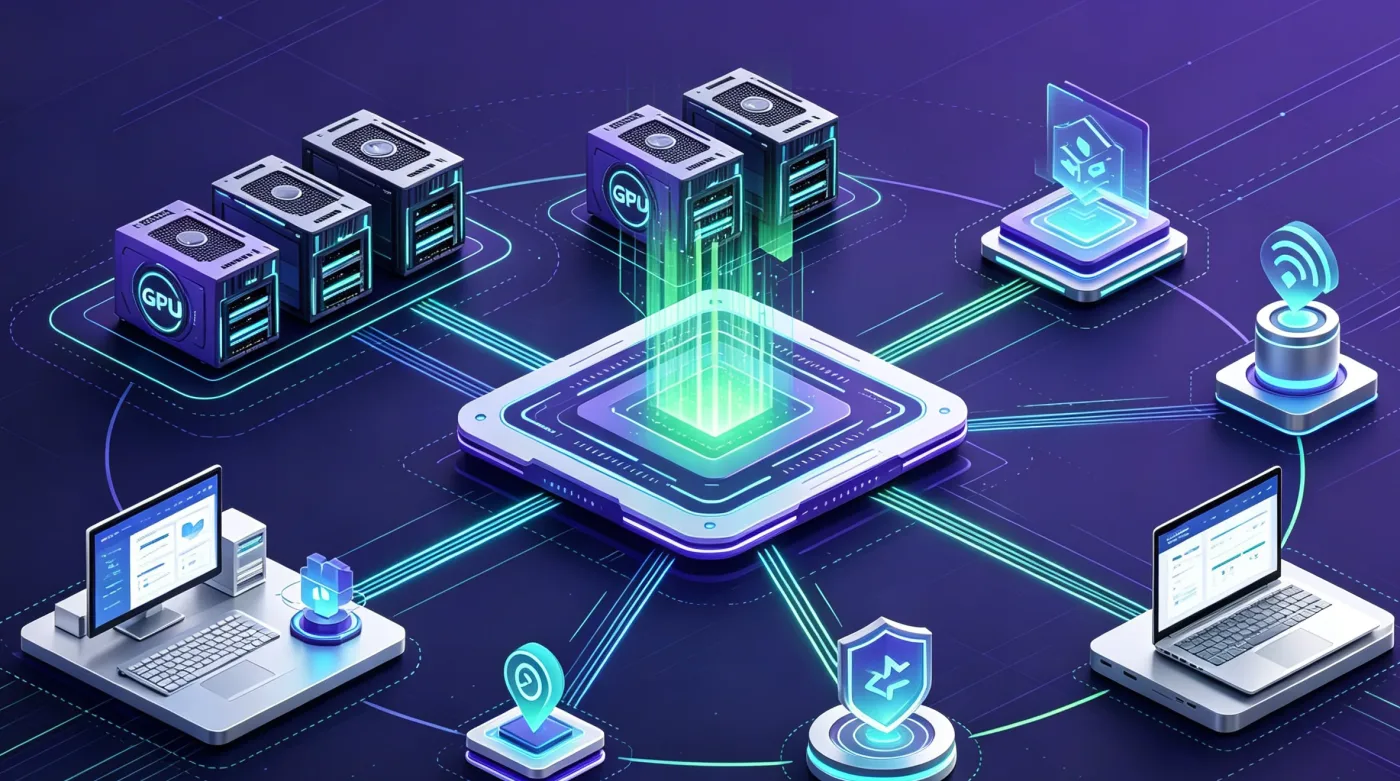
This approach—making computing resources “measurable, schedulable, and available on demand”—is precisely the direction of platform-based computing operations. StarWar Cloud focuses on GPU computing platforms and scheduling capabilities, delivering unified dispatch and resource management for training and inference tasks, from large language models to computer vision. It helps enterprises turn scattered computing assets into elastic resources available on demand, finding a balance between green low-carbon goals and cost optimization.
As green electricity takes a larger share of computing supply, computing-electricity synergy will spread from pilot collaborations between energy and tech giants into a standard capability across the entire AI computing chain. Data centers will more actively participate in electricity market trading and demand response. Real-time power data and real-time scheduling of computing workloads will become interconnected, and the “green premium” of computing power will gradually be incorporated into pricing systems.
For enterprises and developers, the Huaneng-Huawei handshake sends a clear signal: computing competition is increasingly about energy infrastructure and operational efficiency, not just chips and cluster size. When selecting computing services, factors like power supply stability, green electricity ratio, and scheduling flexibility deserve as much attention as price and raw performance.