
On August 23, Alibaba Group announced its intention to issue new shares through a Hong Kong placement, targeting gross proceeds of approximately HK$80 billion. The company stated that all net proceeds would be directed toward its full-stack AI capabilities, with a primary focus on expanding and strengthening AI infrastructure. This marks one of Alibaba's most significant capital moves in recent years, and the decision to channel funds squarely into computing infrastructure rather than business expansion sends an unmistakable signal about strategic priorities.
The conviction behind this concentrated bet on computing power is rooted in the rapid scaling of enterprise-side AI demand. As large language models become deeply embedded in workflows across office productivity, customer service, and R&D, AI agent invocation volumes have surged, driving inference computing demand upward at an exponential rate. Computing power requirements are no longer a GPU-only story — massive CPU, storage, and networking capacity must scale in parallel, making full-stack infrastructure the defining feature of next-generation AI buildouts.
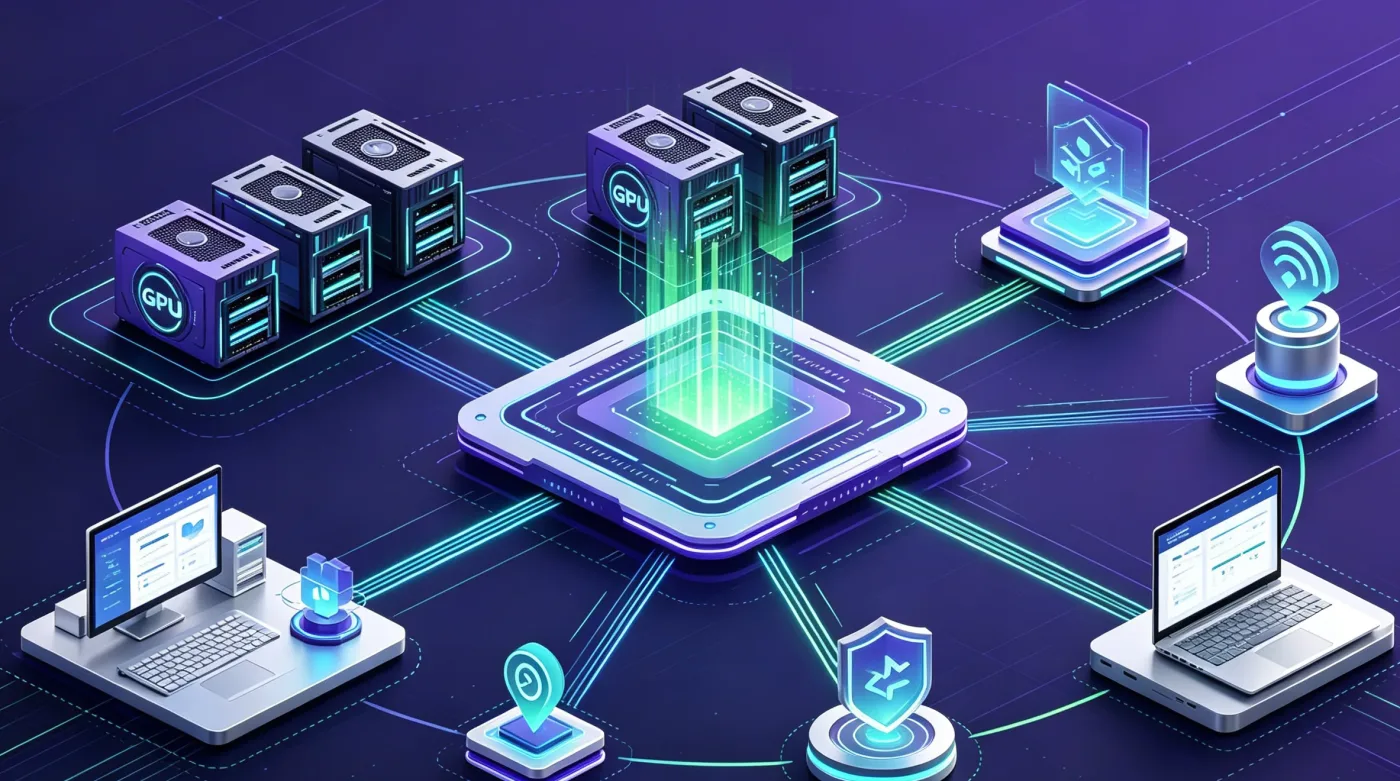
Industry assessments of supply-demand dynamics are shifting accordingly. Multiple institutions now project that the global computing power crunch will not see fundamental relief before 2030. This implies that leading technology companies' capital expenditure on computing infrastructure is a long-term, high-certainty commitment. For cloud providers and AI computing service vendors, the more ample the computing reserves they command, the stronger their position in capturing the next wave of AI agent applications.
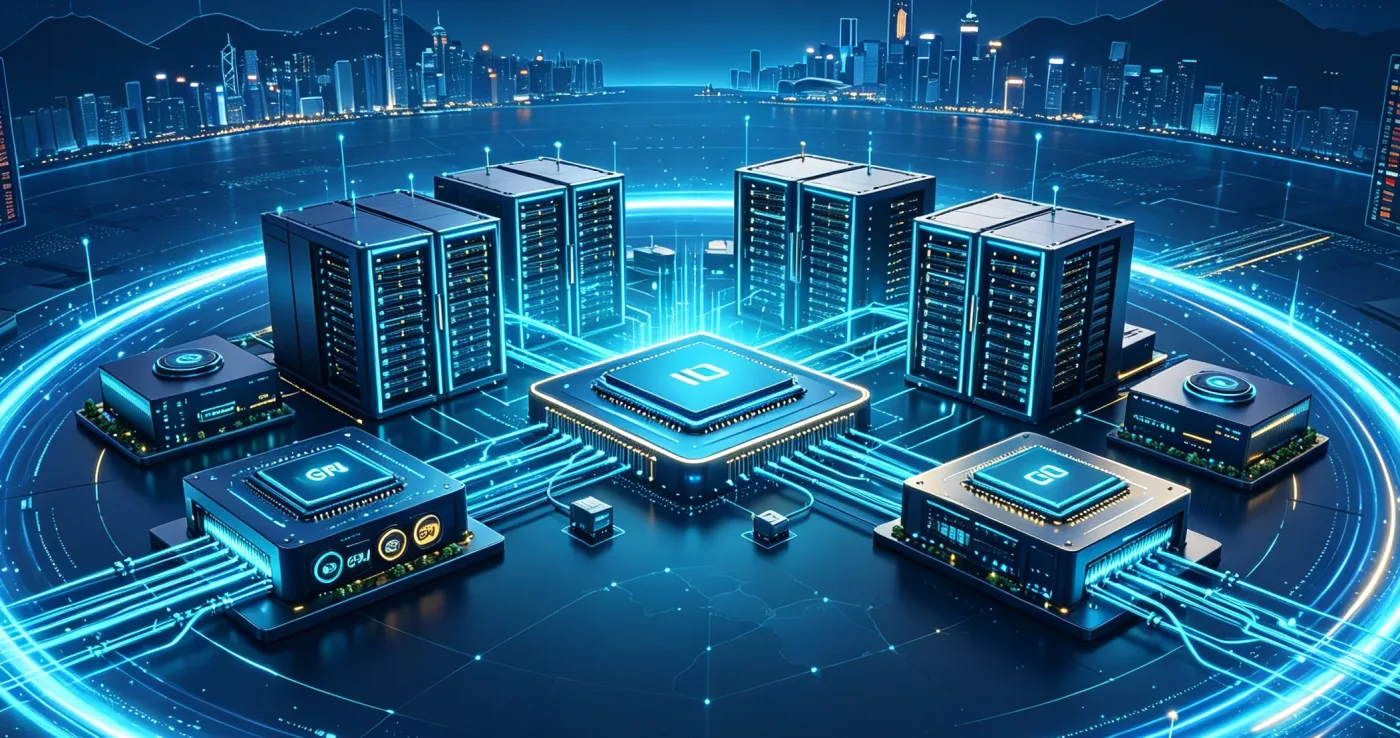
Yet heavy investment in computing power introduces new challenges. The construction costs of massive clusters, energy consumption, and operational complexity are all rising. If computing resources cannot be efficiently scheduled and utilized, substantial capital outlays risk becoming a heavy asset burden. What enterprises need is not merely access to computing power, but the ability to obtain elastic, on-demand supply that can be flexibly dispatched to specific workloads — placing far greater demands on resource management capabilities.
Against this backdrop, computing power scheduling and elastic provisioning have become critical imperatives. StarWar Cloud focuses on GPU computing platforms and computing power orchestration, helping enterprises convert fragmented computing assets into on-demand elastic capacity through unified resource management and task scheduling. The objective is to ensure that the explosive growth of AI agent applications lands smoothly on real, available computing supply.
Taking a longer view, Alibaba's fundraising move also serves as an endorsement