
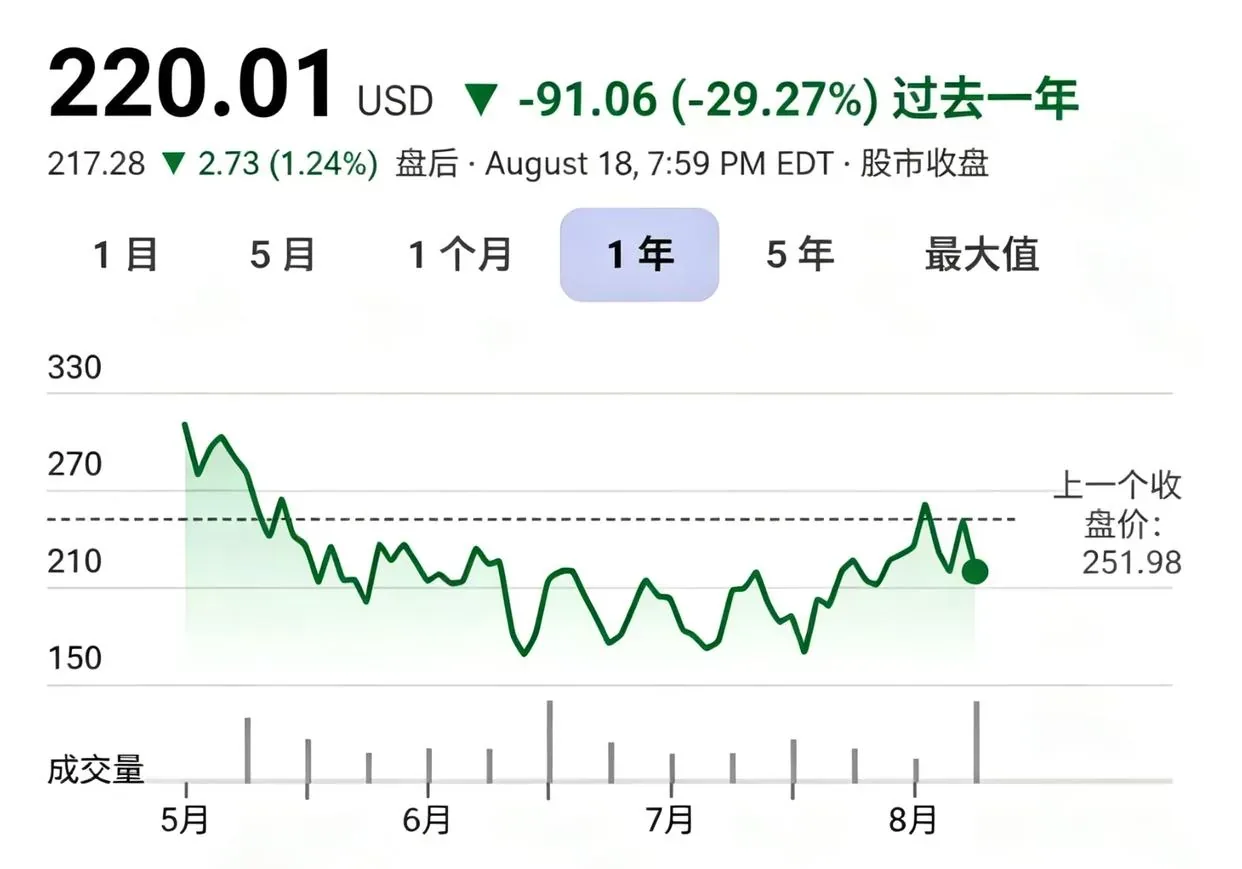
On August 20, AI chip company Cerebras launched its new CS-4 computing platform, featuring TSMC's 5nm process and system-on-wafer (SoW) packaging. The headline innovation is the substitution of SRAM for HBM, removing the dependency on high-bandwidth memory, with commercial availability slated for the second half of this year. The CS-4 is equipped with three WSE-3 Turbo chips, delivering several times the performance of its predecessor, and is purpose-built for large model inference scenarios, with the ability to expand storage capacity through external platforms. The news triggered a sharp sell-off in HBM-linked stocks, including SK Hynix and Samsung.
For years, HBM has been regarded as essential memory for large model training, with NVIDIA's GPU solutions deeply entangled with HBM and the supply chain highly concentrated. Cerebras' approach—combining system-on-wafer architecture with on-chip SRAM—represents an attempt to bypass the high-bandwidth memory dependency entirely, offering the AI computing market a credible alternative to the NVIDIA-centric paradigm. Whether this technical route proves viable carries long-term implications for inference cost, energy efficiency, and supply chain resilience.
The demand structure of AI computing is shifting from training to inference. As large language models enter the stage of large-scale deployment, inference workloads place increasingly acute demands on low latency, high throughput, and low energy consumption. The competitive focus in computing power is expanding from training clusters to inference architectures. Cerebras has leveraged design wins with major customers such as OpenAI and AWS to enter this market, underscoring that inference computing has become a high ground that no chipmaker can afford to ignore.
Beyond the architectural innovation, the challenges are equally apparent. SRAM replacing HBM still faces limitations in capacity and cost. The CS-4 is optimized for specific inference scenarios rather than general-purpose computing, and its ecosystem compatibility will require time to validate. For end users, more choices in compute supply is a positive development, but the migration, scheduling, and operational overhead across different architectures remain a considerable engineering hurdle.

This is precisely the question that computing power platforms must answer. StarWar Cloud focuses on GPU compute platforms and compute scheduling capabilities, providing enterprises with unified scheduling and resource management for both training and inference tasks. It helps users allocate resources on demand and match tasks to the appropriate infrastructure within heterogeneous compute environments, reducing the engineering cost of switching between technology routes. Through its AI training platforms, StarWar Cloud also enables more teams to gain hands-on understanding of the compute characteristics of large model inference.
The HBM-versus-SRAM debate is but one facet of the evolving computing power landscape. As inference demand surges, chipmakers, cloud providers, and compute platforms will continue to diversify into more varied technical approaches. The synergy between advanced packaging, memory architecture, and scheduling software will become a decisive factor in platform competitiveness. For downstream enterprises, avoiding lock-in to a single architecture and building an elastically scalable computing foundation is the more prudent path.
The arrival of the Cerebras CS-4 moves the "HBM-free" approach from concept to commercial product. The competition in AI inference computing will no longer be solely about chip specifications—it will be a comprehensive contest of architecture strategy, engineering execution, and ecosystem collaboration. The reshuffling of the market landscape may be only just beginning.