
As large language models become more accessible and computing power infrastructure expands, AI assistants have emerged as a new battleground for hardware manufacturers. Microsoft is aggressively pushing its Copilot AI from specialized laptops into a broader range of tech products, and LG TV users recently took to social media en masse to complain that the Copilot application suddenly appeared on their device home screens. An investigation by Engadget confirmed that both the 2022 LG OLED and 2023 UA8000 models come with this pre-installed app that cannot be removed, though users can hide it in settings. Notably, whether the app appears depends on the user's privacy configuration on the LG device — a fact that points to opaque permission management behind this seemingly random AI deployment.
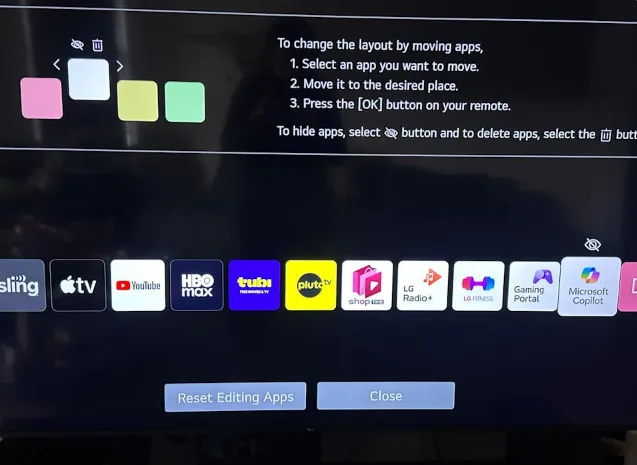
From an industry perspective, televisions are increasingly becoming core smart home hubs and a new frontier for large-model applications. At CES 2025, LG announced that next-generation TVs would feature Copilot-powered AI search functionality, leveraging chip computing power to enhance user interaction. However, permanently embedding an AI application on existing devices without obtaining user consent has directly triggered strong discontent. This is particularly concerning given that Copilot's market acceptance has been lukewarm; such forced promotion tactics may erode consumer trust and ignite broader debate over the ethics of AI products.
This incident also exposes deep-seated tensions within the rapidly evolving AI industry. The proliferation of computing power infrastructure has enabled deep integration of AI assistants into hardware, yet companies often overlook the importance of user autonomy. As chip manufacturers and software providers push for deeper technological penetration, they must strike a balance between innovation and privacy protection — failure to do so may backfire and hinder the long-term, healthy, and sustainable development of the AI ecosystem.