
As generative AI competition intensifies in the video domain, Adobe is accelerating its push into AI-powered video creation. The flagship Firefly platform recently received a major update, introducing a brand-new video editor that, for the first time, supports text-driven local video modifications. This breakthrough resolves the efficiency bottlenecks of end-to-end generation, allowing users to directly instruct adjustments on specific elements within a video—such as “change the sky to overcast” or “slightly enlarge the subject”—while the system modifies only the targeted region, leaving the rest unchanged. This significantly enhances creative control. The capability relies on advanced AI algorithms and optimized computing power, reflecting the deep potential of large models in video generation.
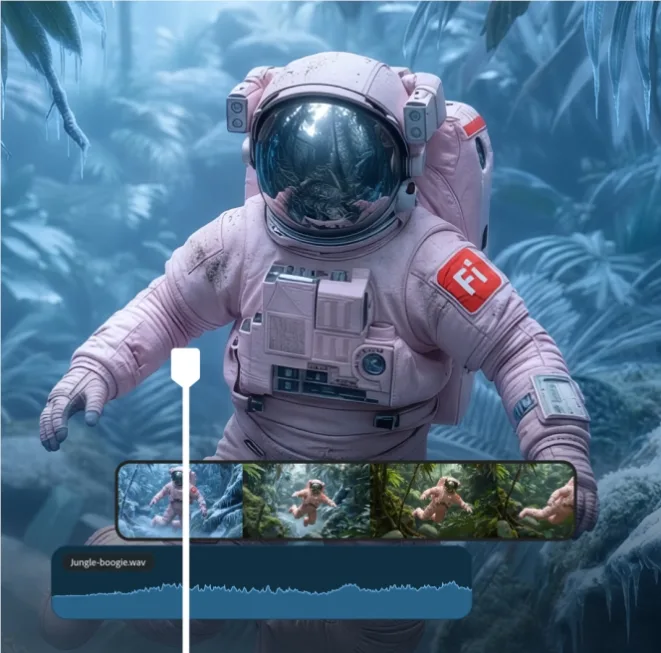
The new editor features a visual timeline interface, enabling frame-by-frame adjustments to visuals, audio, and transition parameters for fine-grained editing. This is powered by Adobe’s self-developed Firefly Video model, which also introduces an innovative camera motion transfer function. Users simply upload a starting frame and a reference video, and the AI replicates professional cinematography techniques, delivering cinematic camera movements for short-form creators. This demonstrates the deep application potential of large models in video generation, highlighting an industry trend: the maturation of computing power infrastructure is pushing video generation toward greater efficiency and intelligence.
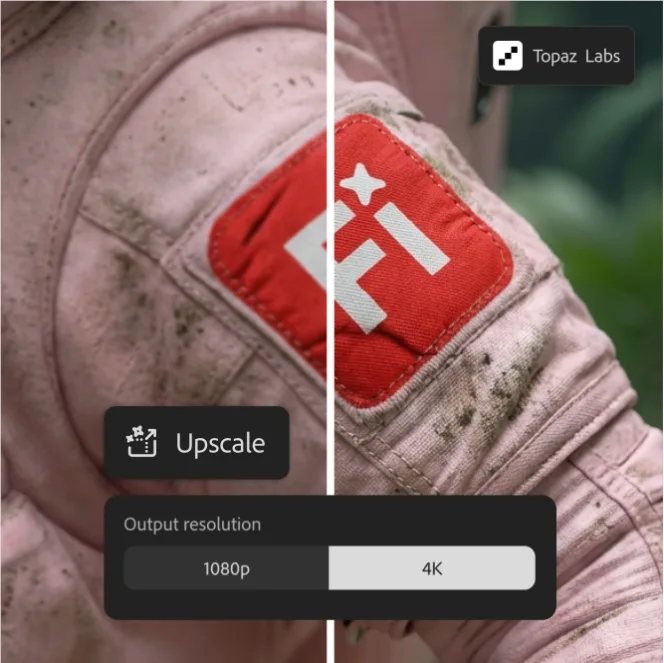
In terms of ecosystem development, Adobe is actively integrating third-party large models to expand functionality. This update incorporates Black Forest Labs’ FLUX.2 image generation model, Topaz Labs’ Astra video upscaling model, and Runway’s Aleph model. FLUX.2 enhances image generation quality, Astra intelligently upscales low-resolution videos to 1080p or 4K, and Aleph improves understanding of complex editing instructions. This open collaboration model reflects a key AI industry trend: sharing computing power infrastructure accelerates the innovative application of large models in vertical domains. The integration of third-party models not only expands creative freedom but also strengthens Adobe’s ecosystem advantage in generative AI.
To attract deeper user engagement, Adobe has launched a limited-time offer. From now until January 15, Firefly Pro, Premium, and high-credit subscribers can use all image models and the Firefly video model without restrictions. This strategy builds on Adobe’s rapid iteration since introducing tiered subscriptions in February, creating an open generative ecosystem that enhances user stickiness through continuous external model integration and platform optimization. The success of this subscription model underscores an AI industry trend: advances in AI chips and the widespread adoption of large models are driving video generation toward greater efficiency and intelligence, reshaping the infrastructure of the creative industry.
This leap in video editing capabilities transforms Firefly from a purely generative AI tool into a full-featured AI video creation workstation. In a market crowded with competitors like Runway, Pika, and Sora, Adobe leverages its professional workflow and ecosystem integration to aggressively compete for the primary entry point among creative professionals. This evolution highlights the AI industry trend: progress in computing power chips and the proliferation of large models are steering video generation toward greater efficiency and intelligence, fundamentally reforming creative industry infrastructure.