
Built on a deep optimization of the GPT-5.2 architecture, GPT-5.2-Codex inherits the terminal operation expertise of its predecessor, GPT-5.1-Codex-Max, and focuses on solving complex software engineering and cybersecurity challenges. This launch reflects the deepening trend of large language models in industrial applications, highlighting the critical role of computing infrastructure in supporting high-performance AI models.
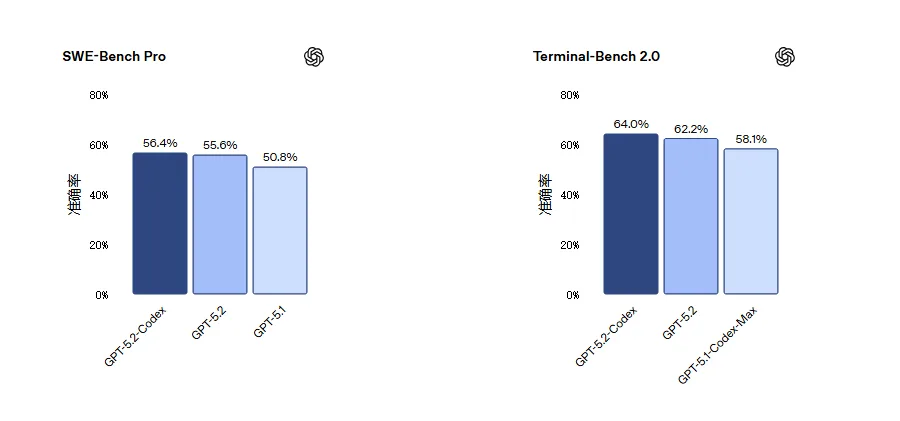
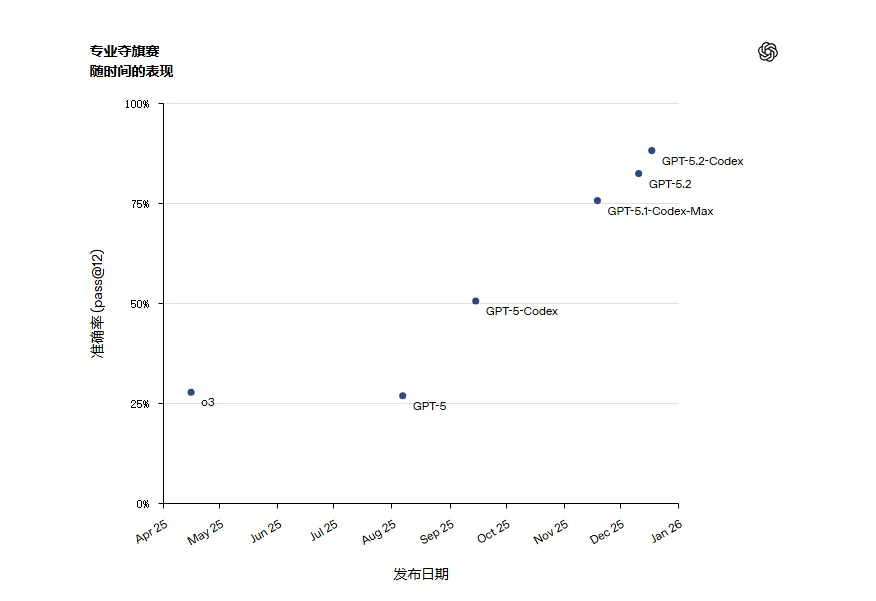
By introducing native context compression technology, the model achieves a qualitative leap in long-range task execution, particularly excelling in large-scale code refactoring and system migration scenarios. This improvement is driven by upgraded chip design, which provides a more robust computational foundation for AI large models. In authoritative benchmark tests, the model set new industry records: achieving 56.4% accuracy on SWE-Bench Pro and a remarkable 64.0% on Terminal-Bench 2.0. These results validate the reliability and practicality of AI in real-world engineering tasks, steering computing resources toward more precise allocation. The model also features targeted enhancements for Windows environments and adds capabilities for parsing technical diagrams and UI screenshots. In the cybersecurity domain, it reaches professional-grade CTF performance through strengthened logical reasoning and fuzzing capabilities, having already assisted security researchers in discovering vulnerabilities in the React framework—demonstrating AI’s potential in defense support.
To balance technological inclusivity with potential risks, the developers have adopted a multi-layered deployment strategy. Effective immediately, GPT-5.2-Codex is available to paid ChatGPT users via Codex CLI, IDE extensions, and cloud environments. Meanwhile, a “Trusted Access” pilot program has been launched, inviting professional security organizations to participate in controlled mechanisms that ensure safety and compliance. This approach reflects the industry’s growing need for nuanced risk management. The model empowers developers across the entire engineering lifecycle—from code base navigation to automated vulnerability defense—accelerating the adoption of large language models in vertical domains and pushing computing infrastructure toward greater efficiency and intelligence.