
As the wave of AI technology sweeps globally, major players are accelerating their deployments in the large language model arena. The emergence of Zhipu AI’s GLM-4.7 not only sets a new performance record for open-source models but has also been hailed as the “best Claude Code alternative,” underscoring a breakthrough in computing power optimization for domestic large language models. The surge in hands-on testing by netizens highlights the market’s urgent need for efficient AI tools and reflects an industry trend shifting toward localized applications.
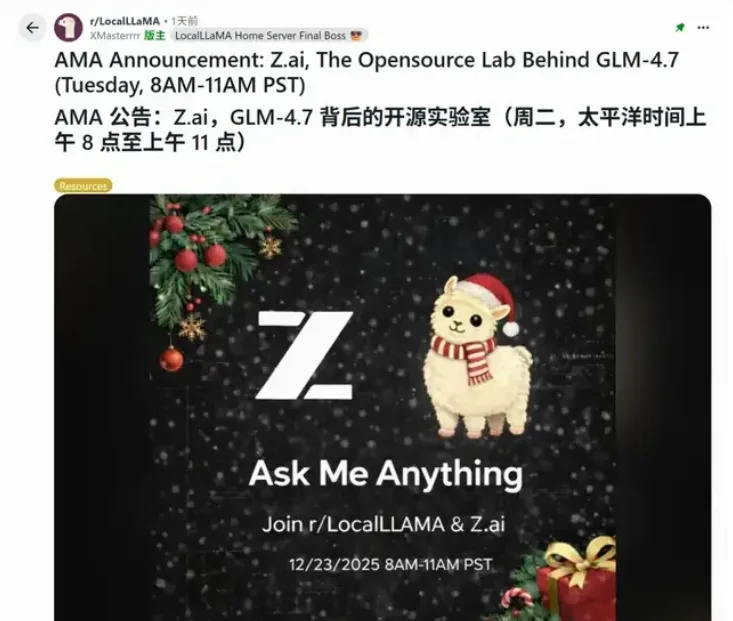
During an AMA session, the Zhipu team delved into the technical advancements behind the model. The key to GLM-4.7’s success lies in refined post-training adjustments, particularly innovative recipes in supervised fine-tuning (SFT) and reinforcement learning (RL). These optimizations significantly enhance the model’s stability in real-world deployments while substantially reducing both training and inference costs. This enables efficient operation on consumer-grade GPUs, showcasing deep optimization of AI infrastructure and offering a viable solution for scenarios with limited computing resources.
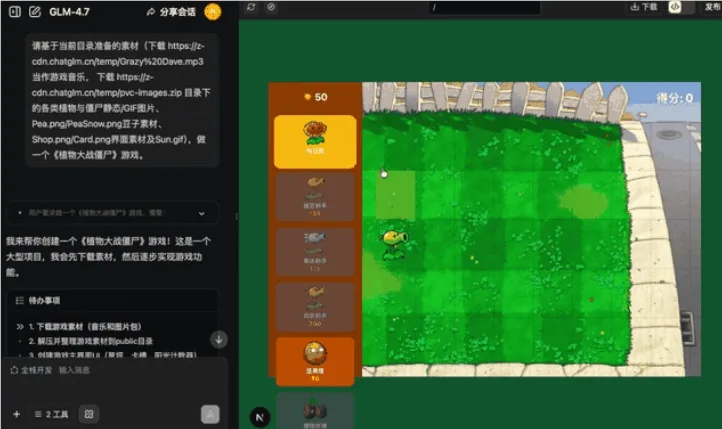
On the application front, GLM-4.7 demonstrates robust multilingual programming capabilities, supporting mainstream languages such as Python and JavaScript, and excels in creative writing and complex task handling. Its stability in role-playing tasks reduces instances of “breaking character,” providing developers with a more reliable AI assistant. This reflects the practical value of large language models within current AI industry trends, helping developers debug and execute tasks efficiently.
Zhipu AI has announced the open-sourcing of its self-developed Slime framework, aimed at improving the efficiency and stability of reinforcement learning for large models. The team emphasized that an open-source ecosystem is the core driving force for industry development, and they will continue to invest even after going public. This commitment helps build a more open AI infrastructure, promotes the democratization of large language model technology, and accelerates the shift of the AI industry from closed to collaborative.
The success of GLM-4.7 proves the competitiveness of domestic large language models on the global stage, earning high recognition from users. As AI technology continues to evolve, Zhipu AI plans to make even greater contributions to the widespread application of AI next year, signaling an industry trend toward localization and efficiency. Domestic large language models are poised to play an increasingly critical role in the global computing power competition.