
During a critical Q4 2025 window for the AI industry, this expert—who holds a postdoctoral background in neuroscience and previously led Huawei Cloud’s AI algorithm lab—is challenging the current deep-learning-dominated paradigm. Zhu’s team developed Huawei Cloud’s first embodied large model, which helped set technical standards for domestic intelligent robot infrastructure. Now, his new venture targets the industry’s core pain points: soaring AI computing power consumption and heavy reliance on labeled data.
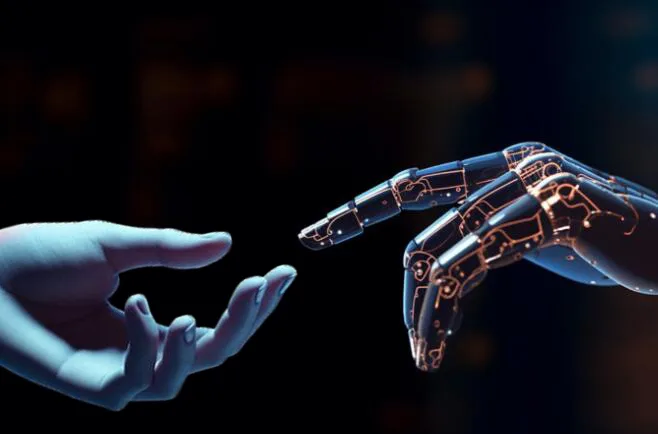
“Brain-Base Robotics” follows a highly disruptive technical path. Its core team members come from AI infrastructure R&D units at Huawei, Megvii, and other leading firms, and plan to embed human cognitive mechanisms into algorithm design. If this hybrid architecture succeeds, it could dramatically reduce deployment costs for robotic systems in commercial scenarios—particularly in labor-intensive settings such as overnight store monitoring, which remains a major bottleneck for AI adoption across Asia-Pacific.
Notably, the project has already attracted industrial capital from companies like Leju Robot, reflecting strong market anticipation for next-generation embodied intelligence. Compared with traditional training methods that require massive amounts of annotated data, brain-inspired algorithms’ potential edge in generalization could reshape the computing power allocation logic of existing AI chips, creating new market opportunities for edge computing devices.